
Sikkim landscape

Your destination guide

Sikkim

Tucked securely within the massive Eastern Himalayas, Sikkim is a breathtaking natural wonder defined by its incredibly steep mountains, icy landscapes, lush green forests, and deeply rich cultural history. Surrounded by the borders of Nepal, Bhutan, and Tibet, this independent state acts as a crucial mountain pathway while holding onto its very unique social and natural identity, which is carefully protected by its native Lepcha, Bhutia, and Nepali people.

Eastern Himalayas Mountain Scenery Kanchenjunga Peak Buddhist Culture Ancient Monasteries Trekking Expeditions Adventure Travel Regional Wildlife Nature Photography Cultural Heritage High-Altitude Destinations

A sense of place

Discover Sikkim

Tucked securely within the massive Eastern Himalayas, Sikkim is a breathtaking natural wonder defined by its incredibly steep mountains, icy landscapes, lush green forests, and deeply rich cultural history. Surrounded by the borders of Nepal, Bhutan, and Tibet, this independent state acts as a crucial mountain pathway while holding onto its very unique social and natural identity, which is carefully protected by its native Lepcha, Bhutia, and Nepali people.

The land changes drastically over very short distances, shifting from warm, tree-filled valleys all the way up to extreme, freezing wilderness areas covered in year-round snow, huge glaciers, and harsh mountain passes. Standing tall over it all is Mount Kanchenjunga, which the local people worship as a guardian god, making it both the physical and spiritual center of the state.

Sikkim is perfectly designed for curious travelers and adventure seekers who want to see stunning mountain views, quiet Buddhist monasteries, rare mountain animals, and hidden traditional villages. By successfully mixing wild natural beauty with carefully controlled town growth, this state offers a deeply appealing and unique escape in the Himalayas.

Places worth the journey

Explore Sikkim

From well-loved landmarks to quieter corners, find the places that make this destination unique.

12 places

Place 01 Sikkim

Gangtok

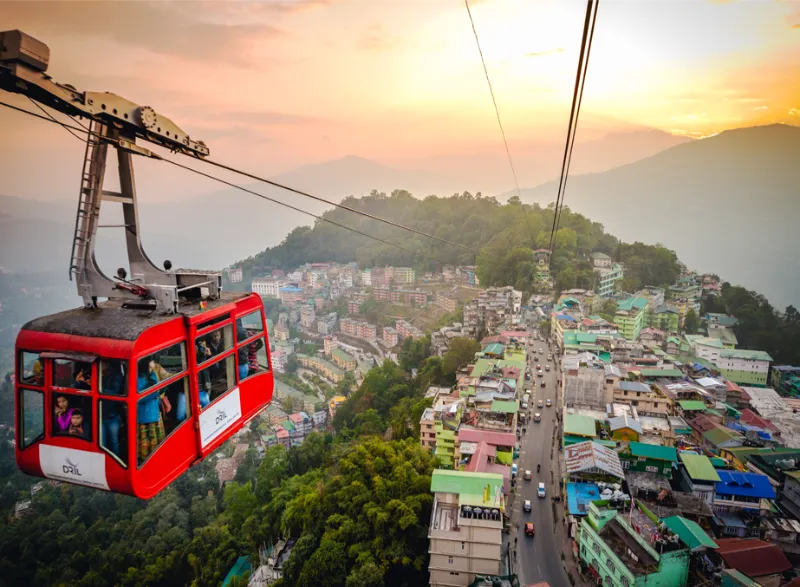
Acting as the busy administrative and cultural center of Sikkim, Gangtok balances on a very steep Himalayan ridge, offering wide, open views of the deep valleys and faraway mountains below. This city perfectly blends fast-growing modern buildings with highly respected Buddhist temples, old-fashioned neighborhoods, and a very lively, mixed culture.

Serving as the main starting point for trips deeper into the state, Gangtok is a wonderful place to explore on its own and the essential jumping-off spot for tough trips up to Tsomgo Lake, Nathu La, and the beautiful, cold areas of North Sikkim. Thanks to its high location, the city gives visitors unmatched views of the massive Himalayan mountain range on clear days.

Things to do

  • City sightseeing
  • Monastery tours
  • Mountain viewing
  • Eating local food
  • Shopping
  • Photography

Highlights

State CapitalHimalayan CityBuddhist CultureMountain ViewsLocal ShoppingCultural Tourism
Explore Gangtok journeys
Place 02 Sikkim

Tsomgo Lake

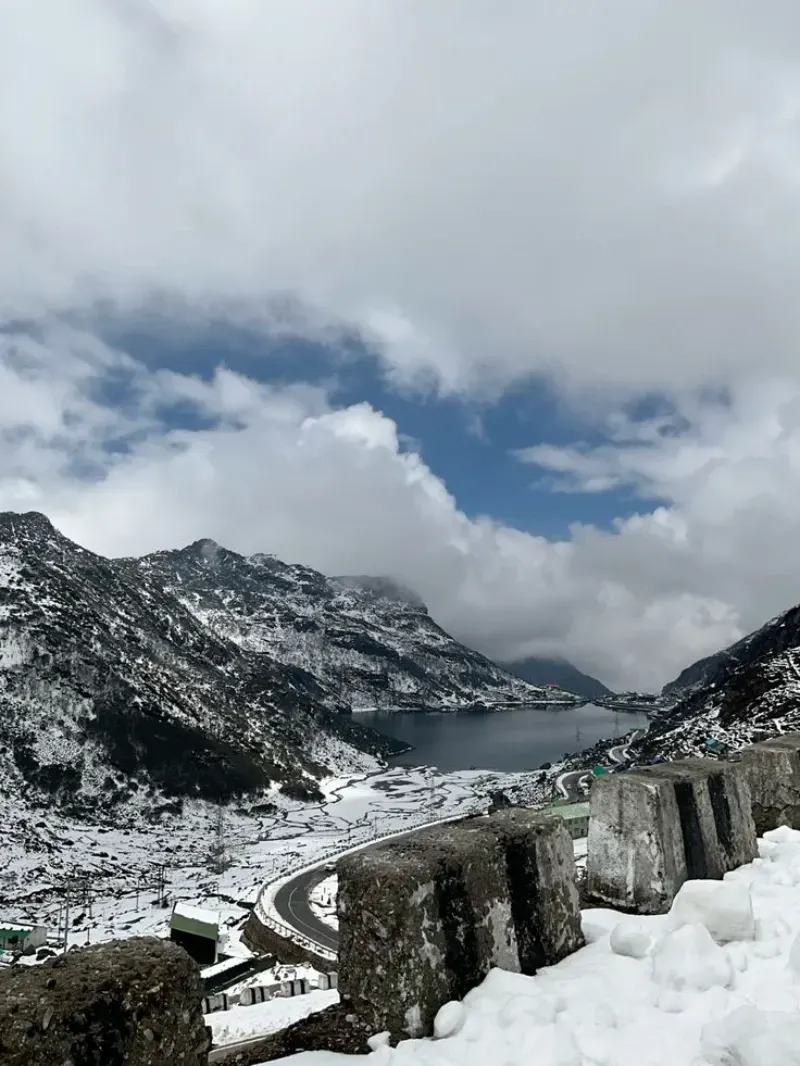
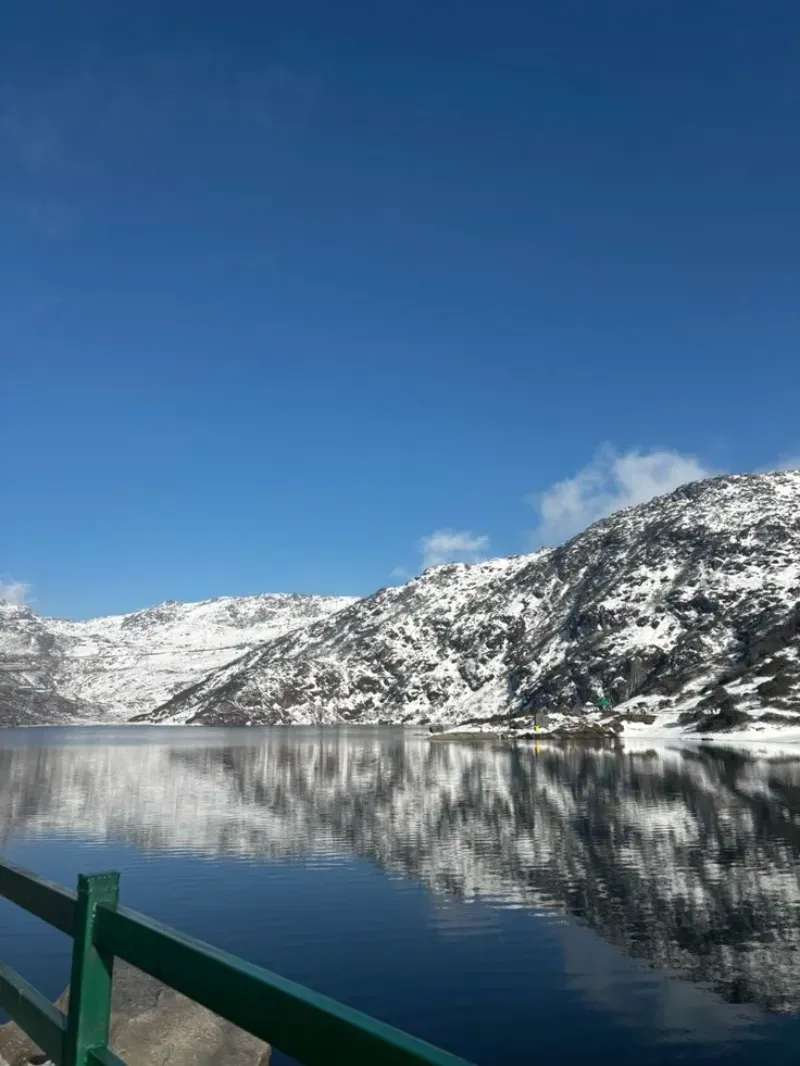
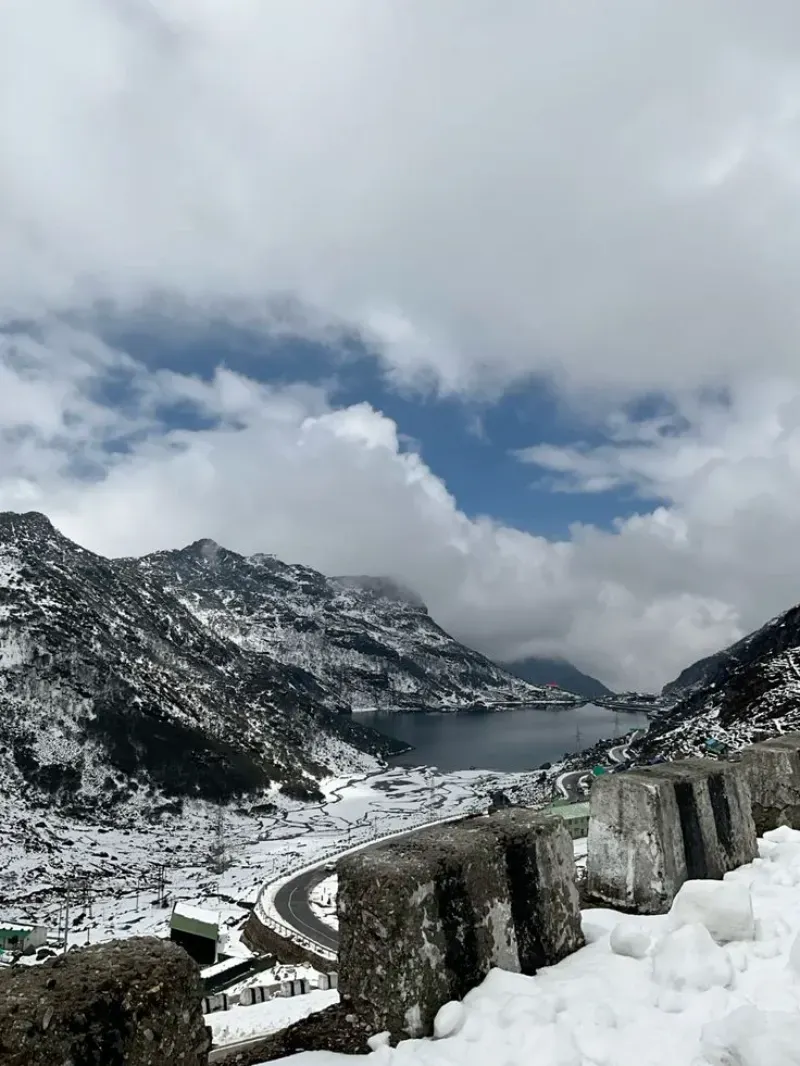
Often called Changu Lake by the locals, Tsomgo Lake is a stunning, ice-fed body of water located high up at about 3,753 meters in the rough eastern part of Sikkim. Surrounded by sharp, rocky mountainsides, the lake creates a harsh but beautiful landscape that completely changes its look depending on the season and the weather.

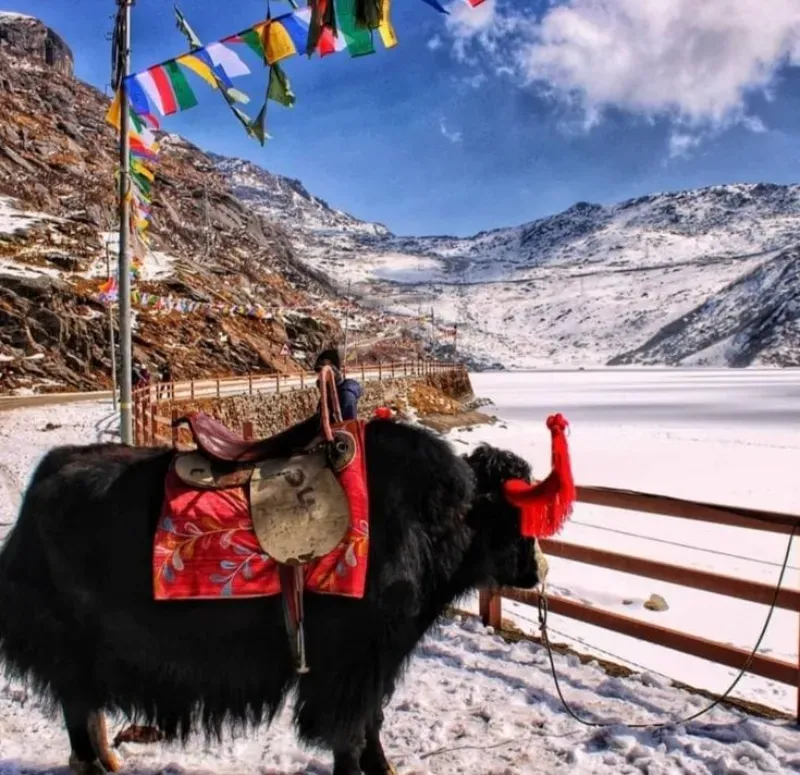
This lake holds massive cultural and spiritual importance for the local people, who treat it as a deeply holy place. During the long, freezing winter, the entire lake turns solid with ice, but when spring finally arrives, the area around the water explodes into bright colors with blooming alpine flowers and clear, sparkling water.

Things to do

  • Scenic sightseeing
  • Landscape photography
  • Mountain viewing
  • Cultural learning
  • Yak riding

Highlights

High Altitude LakeGlacial LakeSacred Water BodyMountain LandscapeNature PhotographyScenic Beauty
Explore Tsomgo Lake journeys

Place 03 Sikkim

Nathula Pass

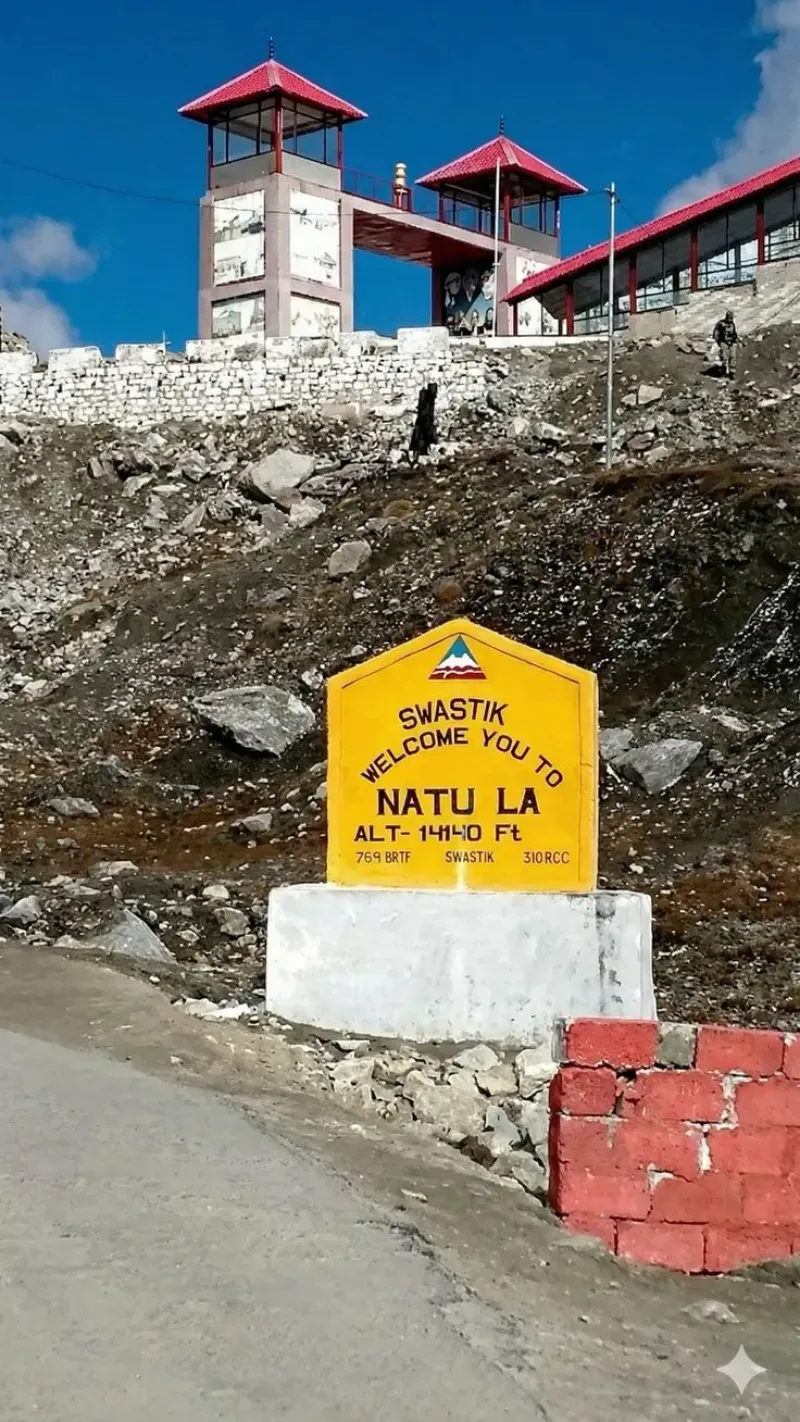
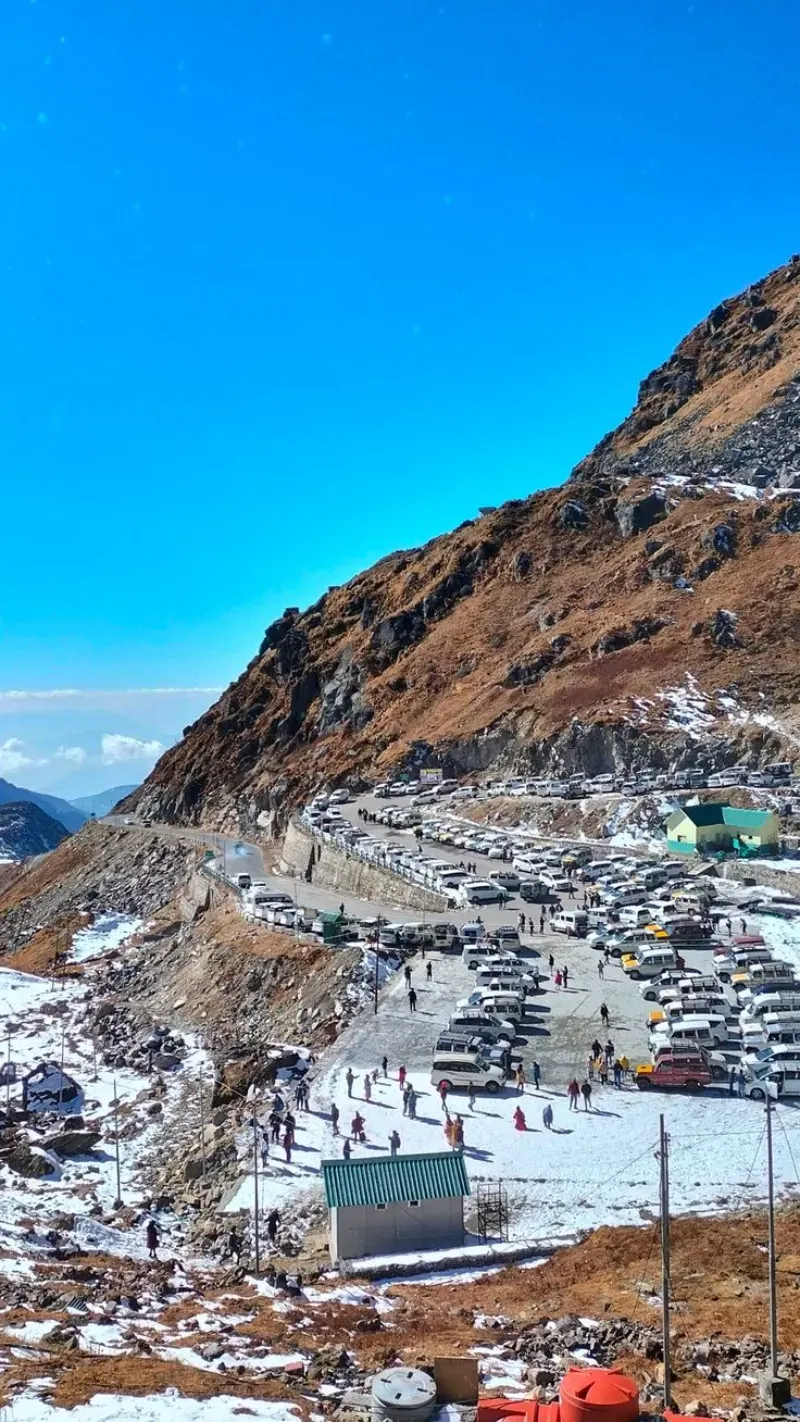
Reaching a dizzying height of 4,310 meters, Nathu La Pass is an incredibly important mountain road on the ancient Silk Road, acting as a major connection between Sikkim and the massive Tibetan Plateau. This key spot on the map features both massive, breathtaking mountain scenery and a very deep history of international politics.

The area around the pass is covered in tough, short alpine plants and features steep drops and weather that can change from sunny to stormy in minutes. Beyond just looking beautiful, Nathu La is packed with trading history, acting as a quiet reminder of the hundreds of years of trade and culture that passed back and forth across these mountains.

Things to do

  • Mountain sightseeing
  • Nature photography
  • Historical touring
  • High-altitude travel

Highlights

Mountain PassHigh Altitude BorderAncient Silk RoadHimalayan FrontierAdventure TourismDramatic Landscapes
Explore Nathula Pass journeys

Place 04 Sikkim

Yumthang Valley

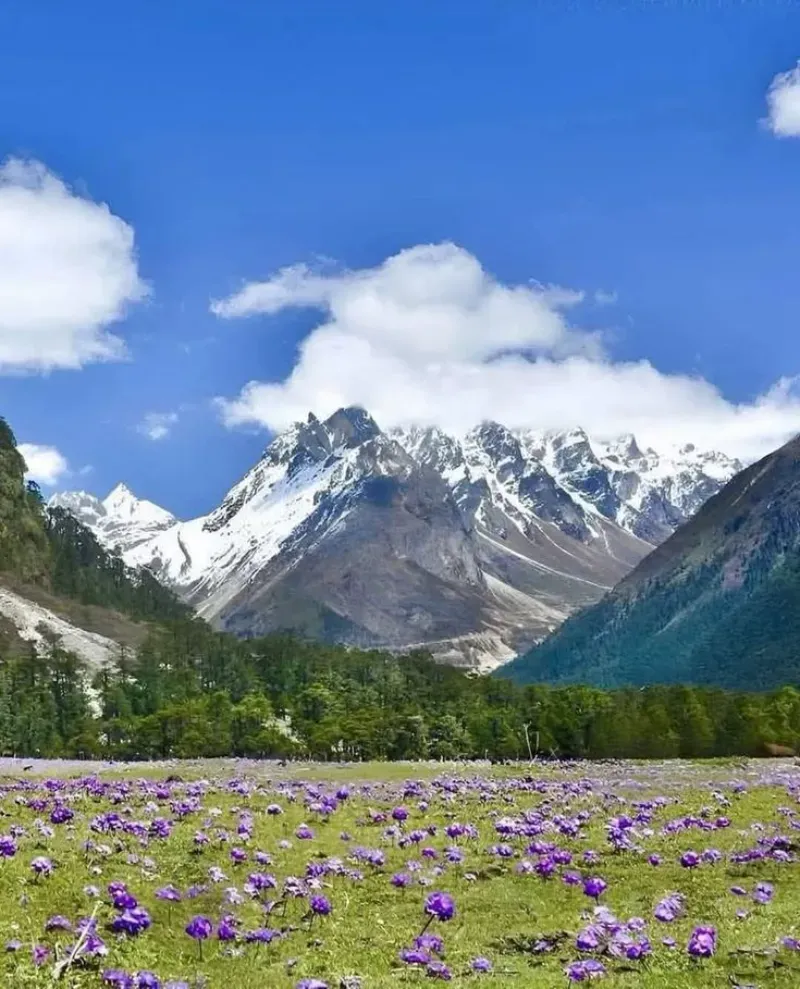
Hidden deep inside the isolated areas of North Sikkim, the Yumthang Valley is a beautiful alpine hideaway famous for its wide, rolling green fields, clear icy rivers, and a massive wall of snow-capped mountains. Sitting high up at 3,500 meters, this valley is most famous for bursting into a massive, colorful display of rhododendrons and unique Himalayan flowers during the spring.

When the warmer weather hits, the valley completely transforms into a bright, colorful painting as thick alpine plants cover the hillsides. The amazing contrast between these soft, wide pastures and the sharp, freezing peaks in the distance makes Yumthang one of the most stunning and highly photographed places in the entire northern region.

Things to do

  • Nature walks
  • Photography
  • Botanical observation
  • Sightseeing
  • Mountain viewing

Highlights

Alpine SanctuaryRhododendron BloomsHigh Altitude ValleyMountain SceneryNatural BeautyLandscape Photography
Explore Yumthang Valley journeys

Place 05 Sikkim

Zero Point

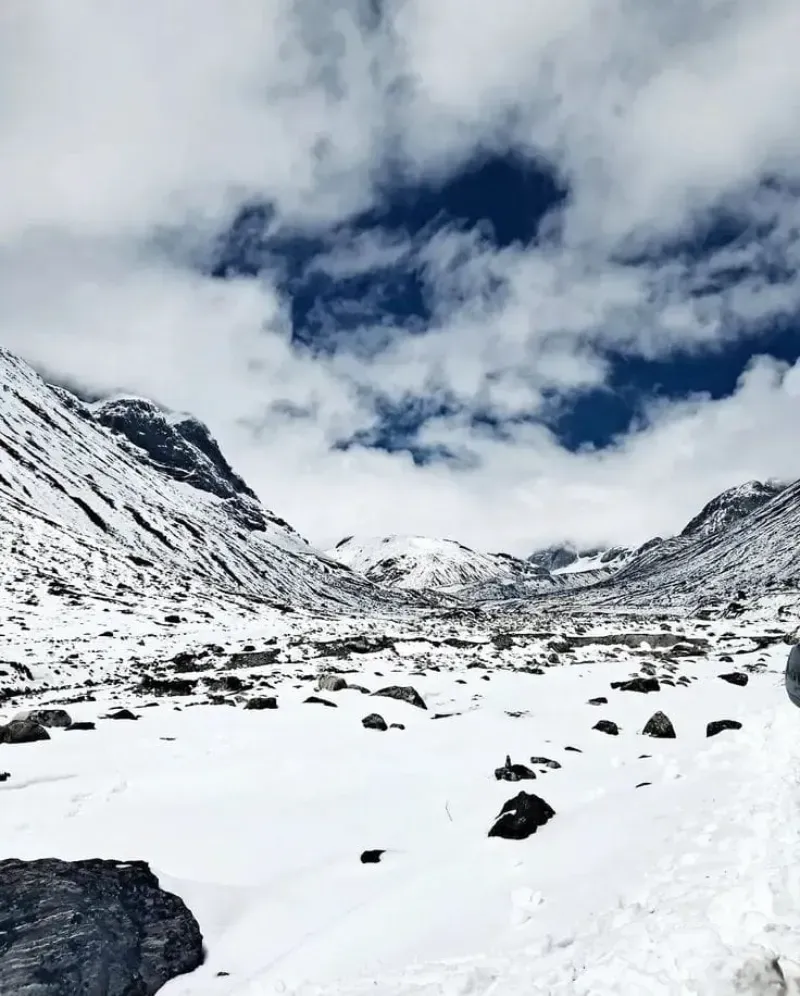
Officially known as Yumesamdong but usually called Zero Point by travelers, this spot marks the absolute end of the road for civilians in North Sikkim. This harsh, extremely high-altitude area is defined by rough ground, massive snowy slopes, and a complete lack of trees, perfectly representing the extreme nature of the high Himalayas.

The weather out on this remote edge is incredibly wild and unpredictable, which means getting there depends entirely on how much snow has fallen and strict government rules. The totally empty, breathtaking landscape provides a massive, shocking contrast to the thick forests and green farm fields found lower down the mountains.

Things to do

  • Snow activities
  • Photography
  • Sightseeing
  • High-altitude adventure

Highlights

Extreme AltitudeSnowscapesAlpine WildernessAdventure TravelPhotographyRoad Terminus
Explore Zero Point journeys

Place 06 Sikkim

Pelling

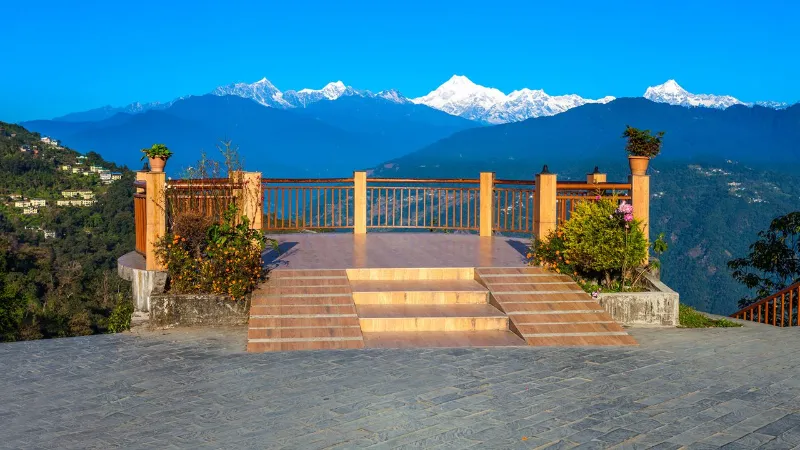
Located in the quiet western part of Sikkim, Pelling is a peaceful mountain town famous for giving visitors wide, unmatched views of the massive Kanchenjunga mountain and the rest of the Himalayan range. Sitting high up surrounded by thick forests, this town offers a quiet, thoughtful environment that is very different from the busy, fast-paced city life of Gangtok.

Pelling is also the perfect base camp for travelers who want to dive into history by visiting old monasteries, ancient ruins, beautiful waterfalls, and the quiet country life of western Sikkim. Its perfect combination of deep historical roots and clear, massive mountain views makes it a must-visit spot for anyone wanting a slower, deeper Himalayan trip.

Things to do

  • Mountain sightseeing
  • Monastery tours
  • Photography walks
  • Nature trailing
  • Local sightseeing

Highlights

Kanchenjunga SightingsHill StationHistoric MonasteriesNature RetreatScenic PhotographyCultural Exploration
Explore Pelling journeys

Place 07 Sikkim

Pemayangtse Monastery

Standing as a true masterpiece of building design and spiritual practice, Pemayangtse Monastery is easily one of the oldest and most important Buddhist sites in all of Sikkim. Tucked away near Pelling, this highly respected temple belongs to the Nyingma sect of Tibetan Buddhism and holds a very sacred place in the religious and royal history of the old Kingdom of Sikkim.

Surrounded by clean, mild Himalayan forests, this monastery is the perfect place to truly understand Sikkim's deep Buddhist history. With its detailed wooden architecture, incredible religious artwork, and unnaturally quiet atmosphere, it is a necessary stop for anyone who loves Himalayan religion, art, and peaceful meditation.

Things to do

  • Monastery touring
  • Cultural immersion
  • Architectural photography
  • Photography
  • Spiritual reflection

Highlights

Buddhist InstitutionNyingma SectCultural HistorySpiritual RetreatHimalayan HeritageTraditional Architecture
Explore Pemayangtse Monastery journeys

Place 08 Sikkim

Rumtek Monastery

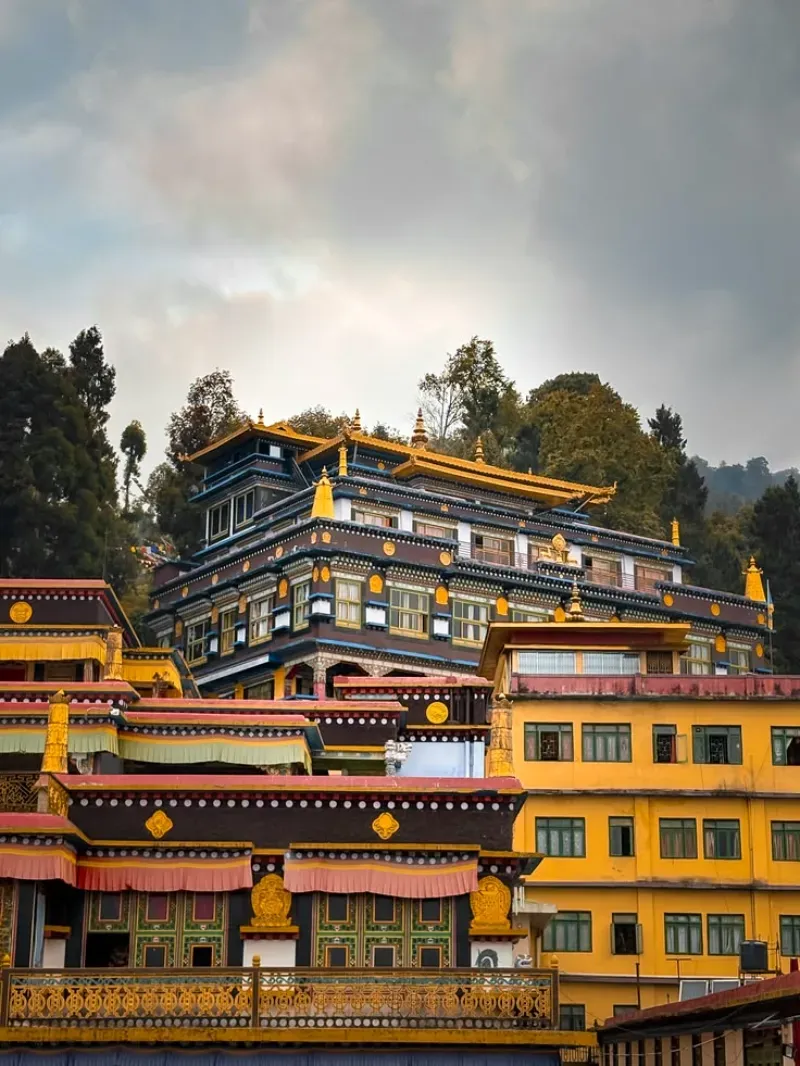
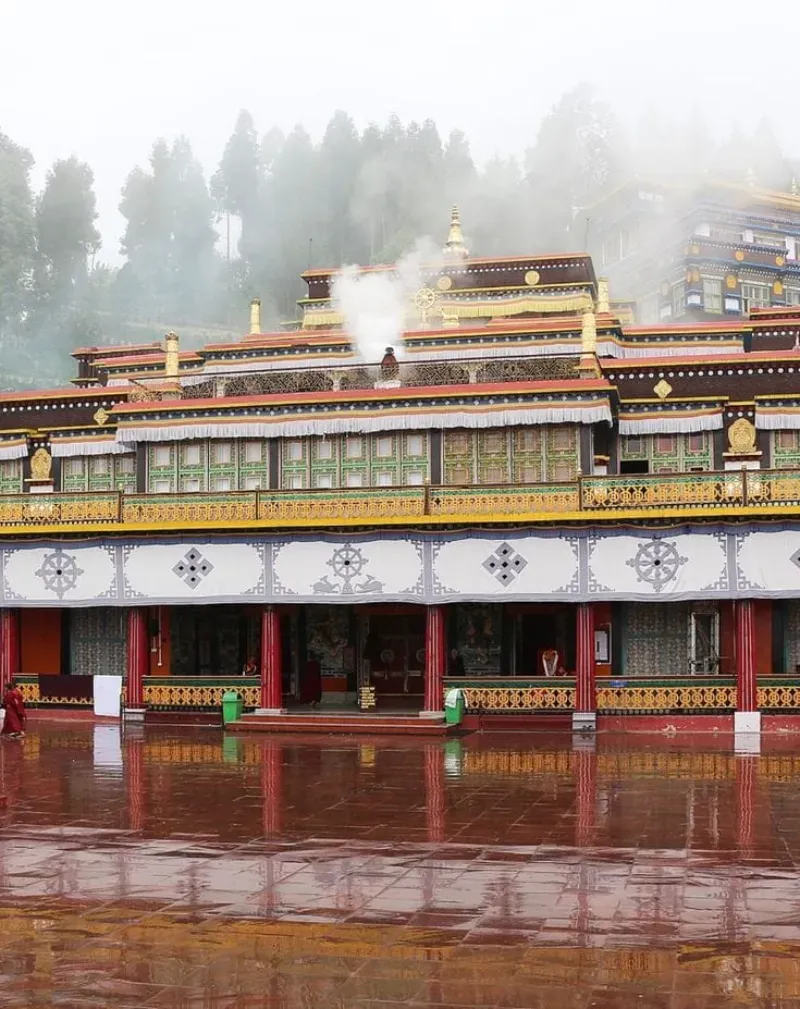
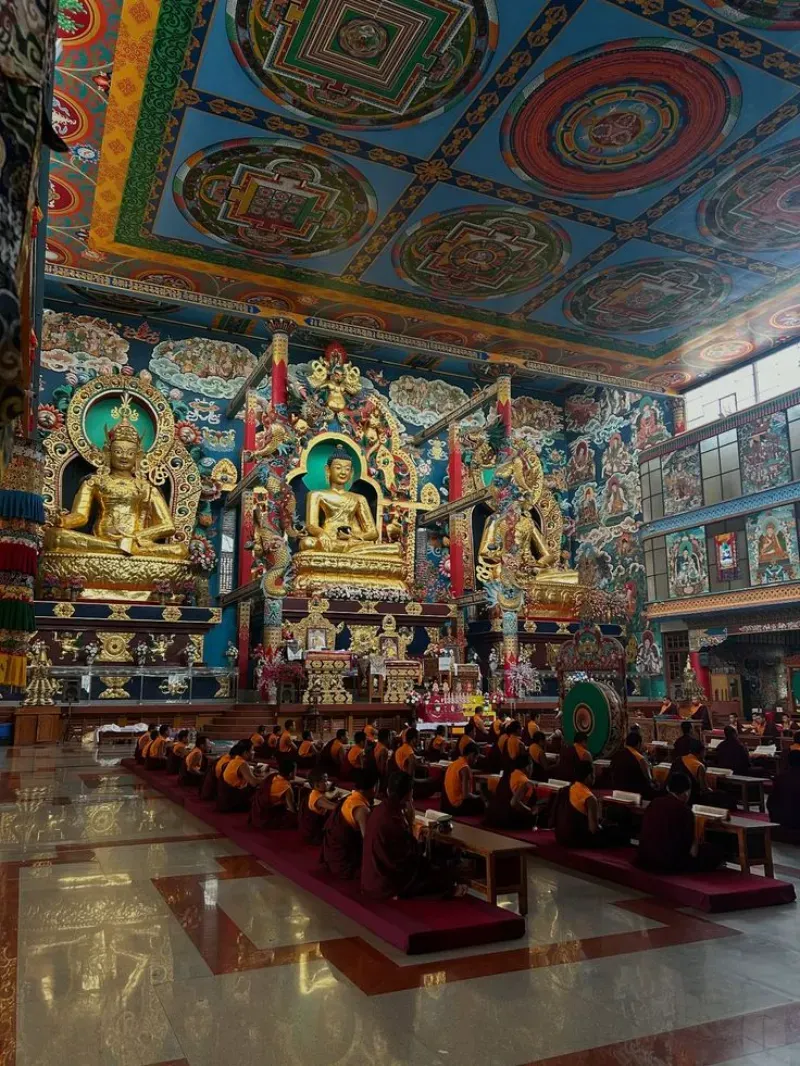
Rumtek Monastery acts as a major center for studying and practicing Tibetan Buddhism in Sikkim, serving as a very important headquarters for the highly respected Karma Kagyu group. Sitting on a hill covered in thick forest looking out over the city of Gangtok, this massive temple complex is famous around the world for its amazing Tibetan design, detailed wall paintings, and deep religious chanting.

This huge religious center gives visitors a rare chance to really dive into the serious ceremonies, grand buildings, and artistic beauty of Himalayan Buddhism. Because it is built so high up, the monastery also treats guests to incredible, wide views that stretch all the way across the rolling mountains of the area.

Things to do

  • Monastery viewing
  • Cultural learning
  • Photography
  • Appreciating architecture
  • Spiritual observance

Highlights

Tibetan BuddhismKarma Kagyu LineageGrand MonasteryIntricate ArchitectureSpiritual DestinationCultural Antiquity
Explore Rumtek Monastery journeys

Place 09 Sikkim

Khecheopalri Lake

Khecheopalri Lake is a deeply respected, high-altitude body of water hidden far away inside the thick, ancient forests of western Sikkim. Treated as extremely holy by both Buddhist and Hindu religious leaders, this untouched lake is a major piece of the region's spiritual map and local legends.

The thick, heavy roof of the old forest creates a very private, almost magical feeling, which helps keep the lake perfectly clean and balanced. Local stories claim that the water here has the massive power to grant wishes, making this site an absolute must-see for travelers who are fascinated by the mix of wild nature and intense religious belief.

Things to do

  • Forest walking
  • Lake viewing
  • Nature photography
  • Cultural understanding
  • Spiritual visits

Highlights

Wish Fulfilling LakeBuddhist SiteHindu PilgrimageDense ForestPristine NatureSpiritual Destination
Explore Khecheopalri Lake journeys

Place 10 Sikkim

Zuluk

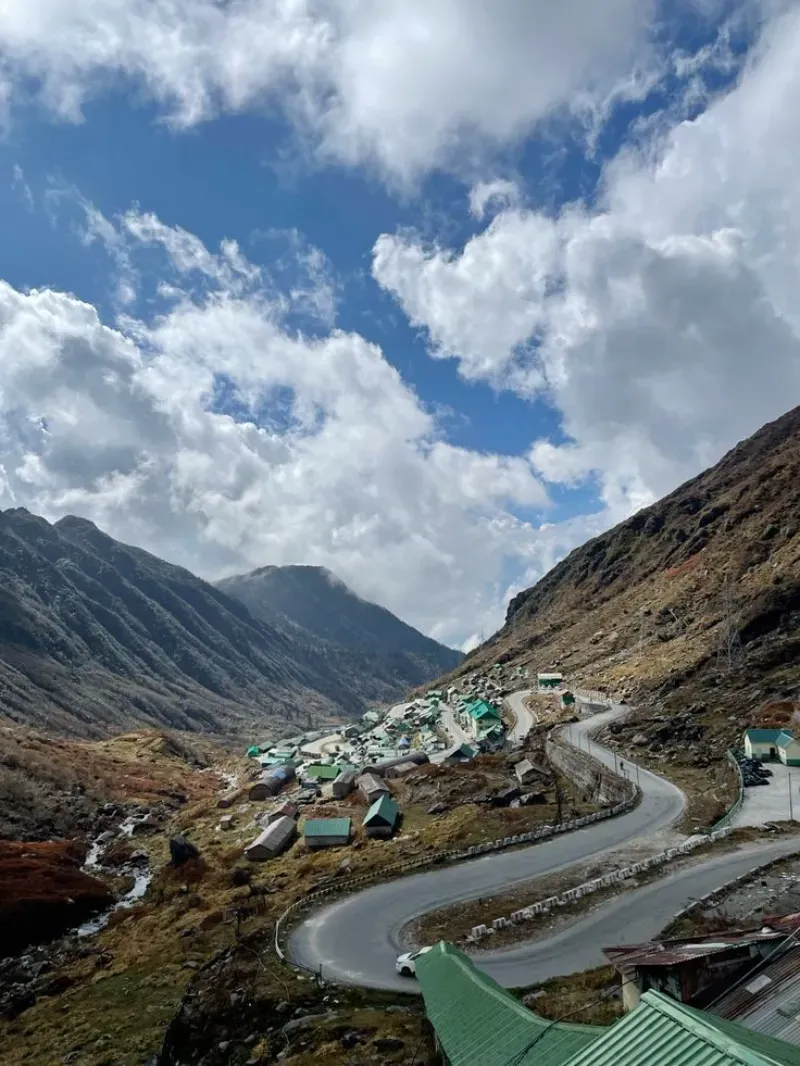
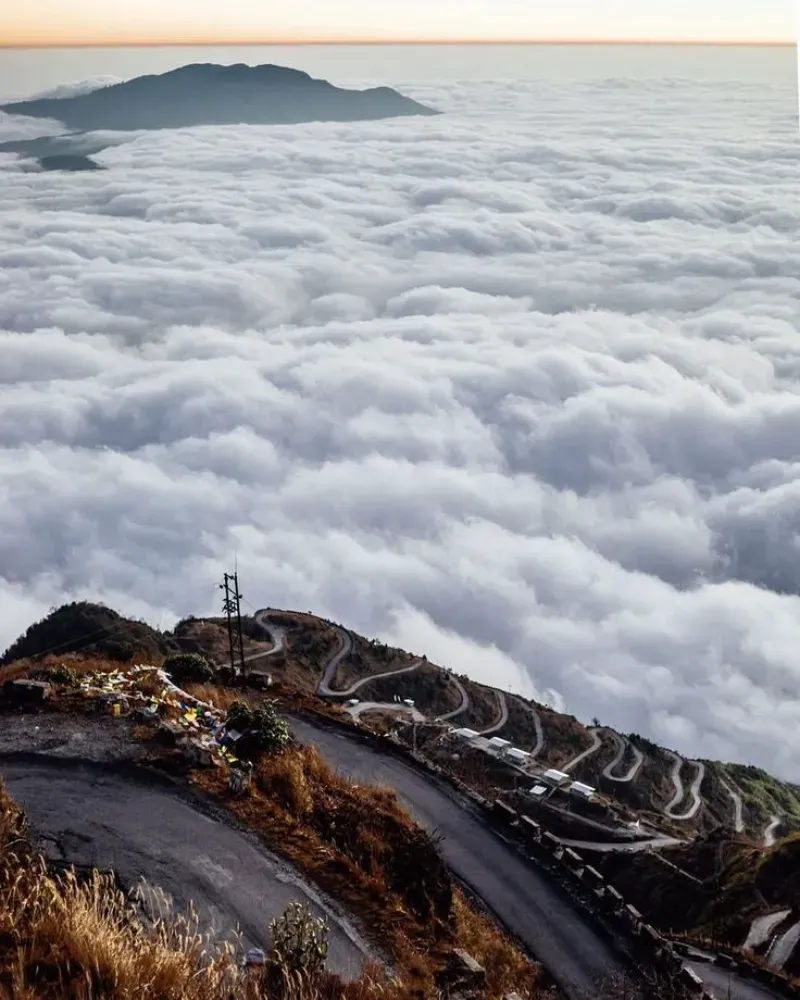
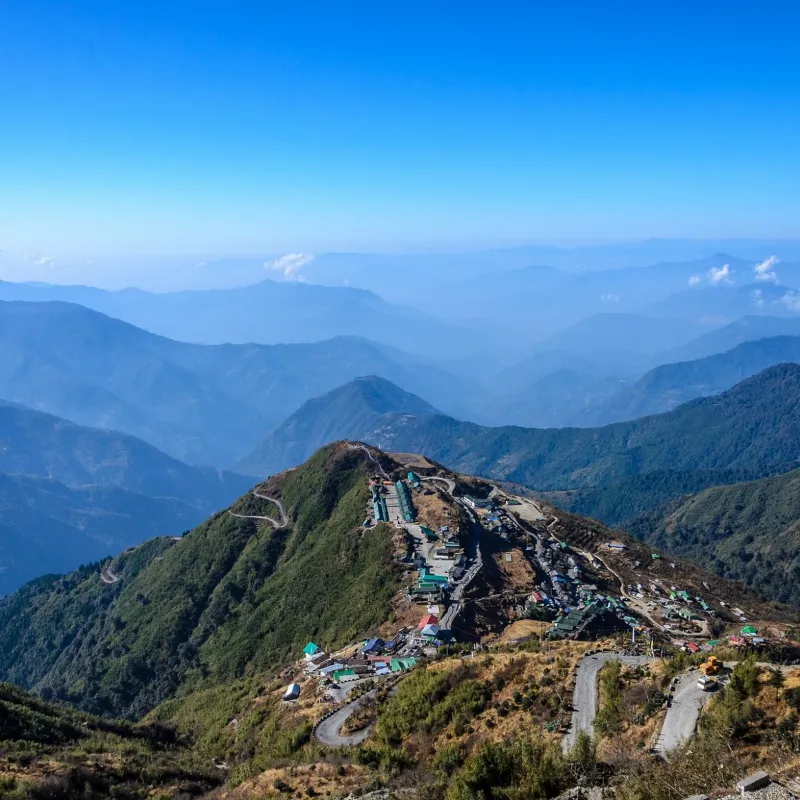
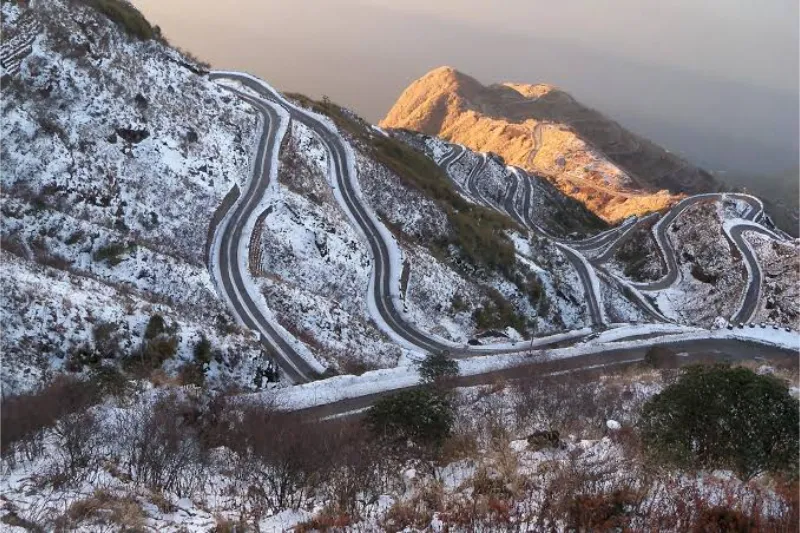
Zuluk, a magical, tiny village hanging on the edge of the famous Silk Route in eastern Sikkim, captures the very real, untouched feeling of the Himalayas. Located at a height of almost 2,900 meters, this far-off town is famous for its confusing, zig-zagging mountain roads and dizzying views that look straight down into the deep Himalayan valleys.

The village carefully protects its simple, old-fashioned lifestyle, giving travelers a chance to experience the true, quiet country side of Sikkim away from the busy tourist spots. Its extremely important location on the ancient international trade route gives the whole area a heavy, noticeable sense of history.

Things to do

  • Scenic driving
  • Village walking
  • Photography
  • Mountain sightseeing
  • Cultural immersion

Highlights

Ancient Silk RouteRustic VillageHimalayan VistasRural ExperiencesLandscape PhotographyOffbeat Adventure
Explore Zuluk journeys
Place 11 Sikkim

Gurudongmar Lake

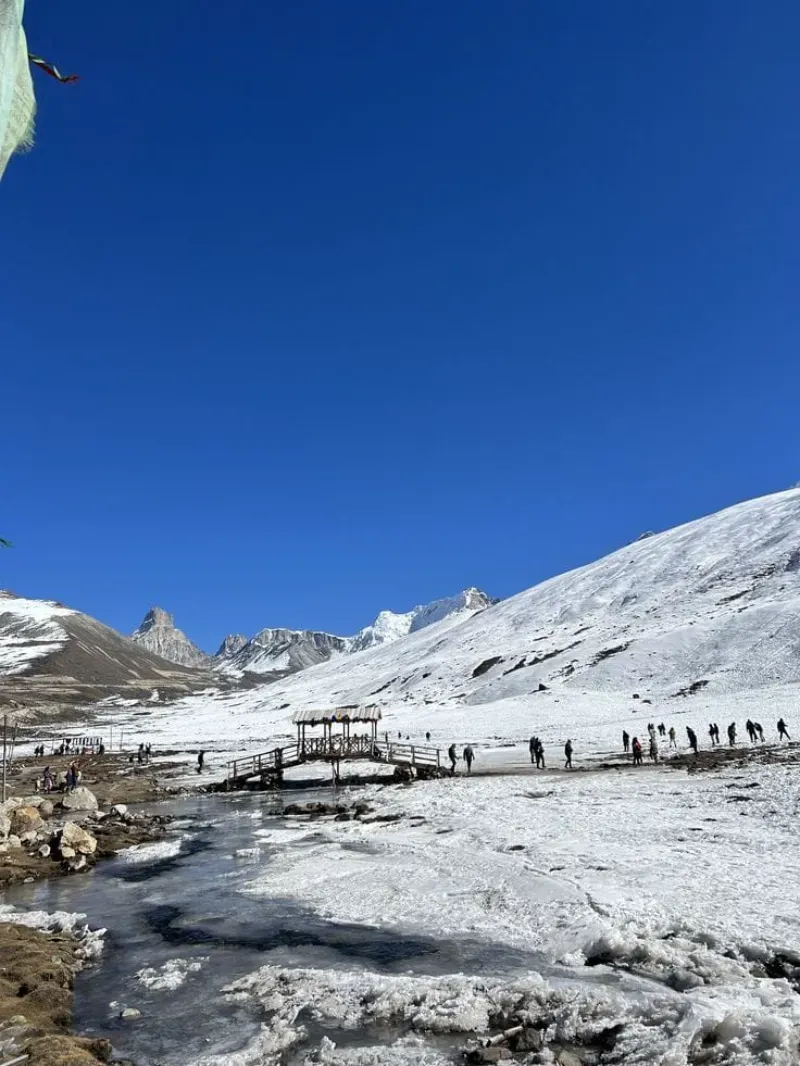
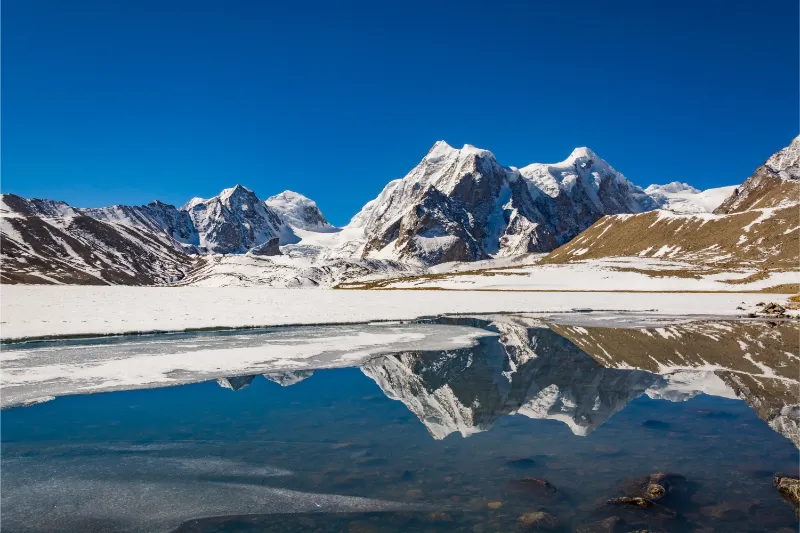
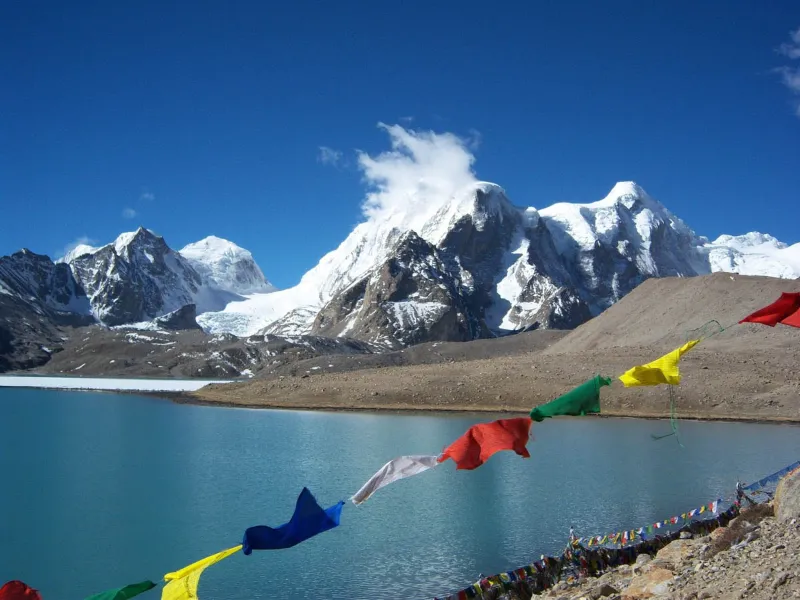
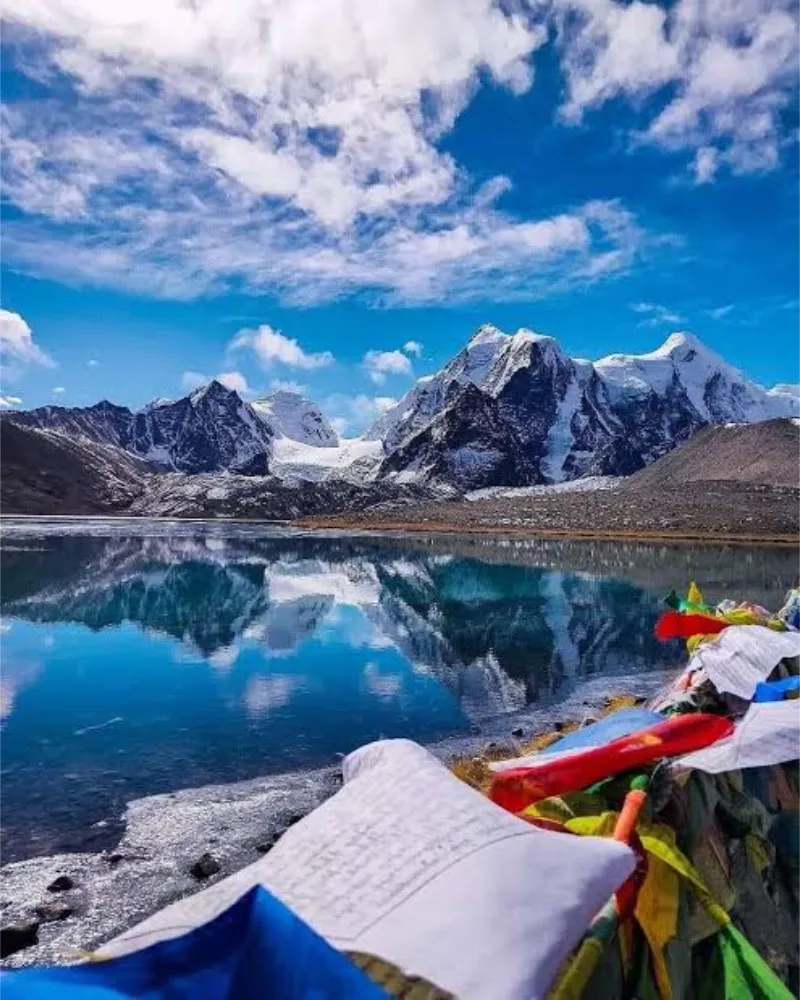
Sitting as one of the highest lakes in all of India at a massive altitude of 5,180 meters, Gurudongmar Lake is tucked away in the freezing, remote edges of North Sikkim. Surrounded by a harsh, tough landscape of empty mountainsides and huge icy glaciers, the lake creates an incredibly dramatic and almost alien mountain scene.

Considered very holy in both Buddhist and Hindu religions, this lake is an absolutely vital part of the culture and faith of the northern border area. The extreme height, unpredictable weather, and incredibly tough journey make a trip to this lake feel like a major, life-changing expedition rather than just a simple tour.

Things to do

  • Lake viewing
  • Photography
  • High-altitude trekking
  • Mountain admiring
  • Spiritual pilgrimage

Highlights

High Altitude LakeHoly WatersGlacial SceneryHimalayan FrontierExtreme PhotographyChallenging Adventure
Explore Gurudongmar Lake journeys

Place 12 Sikkim

Khangchendzonga National Park

Khangchendzonga National Park covers a massive, protected natural area that changes smoothly from green, leafy forests to harsh, high-altitude zones filled with huge glaciers, freezing plains, and rough peaks. The park gets its name from Mount Kanchenjunga, which is the third-highest mountain in the world and an incredibly holy symbol for the people of Sikkim.

Recognized widely as a very important UNESCO World Heritage Site, this huge reserve holds an amazing variety of nature, providing a home for very rare animals that are perfectly built for the freezing Himalayan weather. Its stunning landscape beautifully mixes wild, natural power with deep religious myths, making it a perfect example of how to protect both nature and culture at the same time.

Things to do

  • Trekking adventures
  • Wildlife spotting
  • Nature photography
  • Wilderness exploration
  • Mountain expeditions

Highlights

UNESCO HeritageWildlife ParkMount KanchenjungaRare FaunaGlacial FormationsAlpine HabitatRich Biodiversity
Explore Khangchendzonga National Park journeys

Make the most of your trip

Plan your visit

Practical pointers to help you choose when to go and how to get around.

When to go

March to May

Also consider: October to November

The very best times to travel through the mountains of Sikkim usually line up with the bright blooming of spring and the clear, rain-free days of autumn. The months from March to May offer very comfortable weather, a huge explosion of mountain flowers, and perfectly welcoming conditions for exploring the lower and middle parts of the state.

On the flip side, October and November are incredibly popular because the air is perfectly clear, giving travelers wide, completely unobstructed views of the massive Himalayan peaks, even though it gets very cold higher up. The harsh winter turns the area into a beautiful, white snow globe, but this beauty comes with a heavy price: many roads get completely blocked by snow, and you cannot reach the highest areas.

The monsoon season, which hits hard from June to September, brings massive, non-stop rain, heavy clouds, and a very high chance of dangerous mudslides, making driving very risky. Because of this, travelers planning big mountain trips need to carefully adjust their plans based on these major weather changes.

Weather & altitude

Approximately -5°C to 24°C

Elevation: Approximately 280 meters to over 8,500 meters meters above sea level

Temperatures change wildly depending on how high up you travel. Middle-level towns like Gangtok enjoy very comfortable, warm summers and cool winters, while the extreme northern and eastern borders regularly face brutal, freezing temperatures and thick snow during the long winter months.

Sikkim features an incredibly wide range of heights, climbing very quickly from warm, low river valleys all the way up to the freezing, icy top of the Kanchenjunga mountain. This huge shift in the landscape creates massive differences in the weather, the plants and animals, and how easily you can travel across the state.

Season by season

Spring March to May Approximately 8°C to 20°C

Spring brings incredibly comfortable, easy weather across the lower and middle sections of Sikkim, starting with the amazing blooming of local plants and a slow, clear reveal of the massive mountains all around.

Monsoon June to September Approximately 12°C to 24°C

The monsoon season is completely taken over by heavy, non-stop rain and thick fog, which massively increases the danger of mudslides on the winding mountain roads and makes it almost impossible to see anything high up.

Autumn October to November Approximately 5°C to 18°C

Autumn is widely praised as the absolute best time for exploring the Himalayas, offering incredibly stable weather and unmatched, wide-open, crystal-clear views across the huge, elevated mountains.

Winter December to February Approximately -5°C to 15°C

Winter throws the region into freezing cold, especially out on the northern and eastern edges, where heavy snowstorms frequently block the roads to the highest spots. While you can still drive through the lower towns, you will definitely feel the sharp, freezing cold in the mornings and evenings.

Getting there

How to reach Sikkim

By Air

Pakyong Airport, which acts as the main flight hub inside Sikkim, offers a few flights to certain Indian cities; but, these flights rely heavily on the unpredictable mountain weather. Bagdogra Airport, located in nearby West Bengal, remains the most important and dependable flight option for travelers coming from major cities.

From Bagdogra, travelers have to take a long but incredibly beautiful drive up to Gangtok and other towns, a trip defined by a constant, winding climb from the flat plains straight up into the steep Himalayan mountains.

By Rail

New Jalpaiguri Railway Station in West Bengal serves as the absolute best train stop for anyone heading to Sikkim. It connects to a massive network of trains from major Indian cities, acting as the necessary drop-off point before switching over to mountain cars.

Once you arrive at New Jalpaiguri, there are plenty of travel options—from private taxis to shared jeeps—that smoothly carry travelers up the mountain into Gangtok and the rest of Sikkim.

By Road

Driving on the road is absolutely essential for moving between towns inside Sikkim. Gangtok is heavily connected to Siliguri, New Jalpaiguri, and other nearby mountain towns by a very complex maze of carefully cut, steep mountain roads.

A wide mix of shared taxis, private cars, and special tour vehicles run all over these roads. However, travel times can stretch or shrink wildly, heavily depending on the rough roads, sudden bad weather, traffic jams, and yearly road repairs.

Make it your own

Sikkim journeys

Explore thoughtfully planned trips, or ask our team to tailor an itinerary around your interests.

Browse all packages

Travel with local insight

Let’s plan your Sikkim escape.

Tell us what inspires you and we’ll help shape a journey at your pace.

Talk to a travel expert