

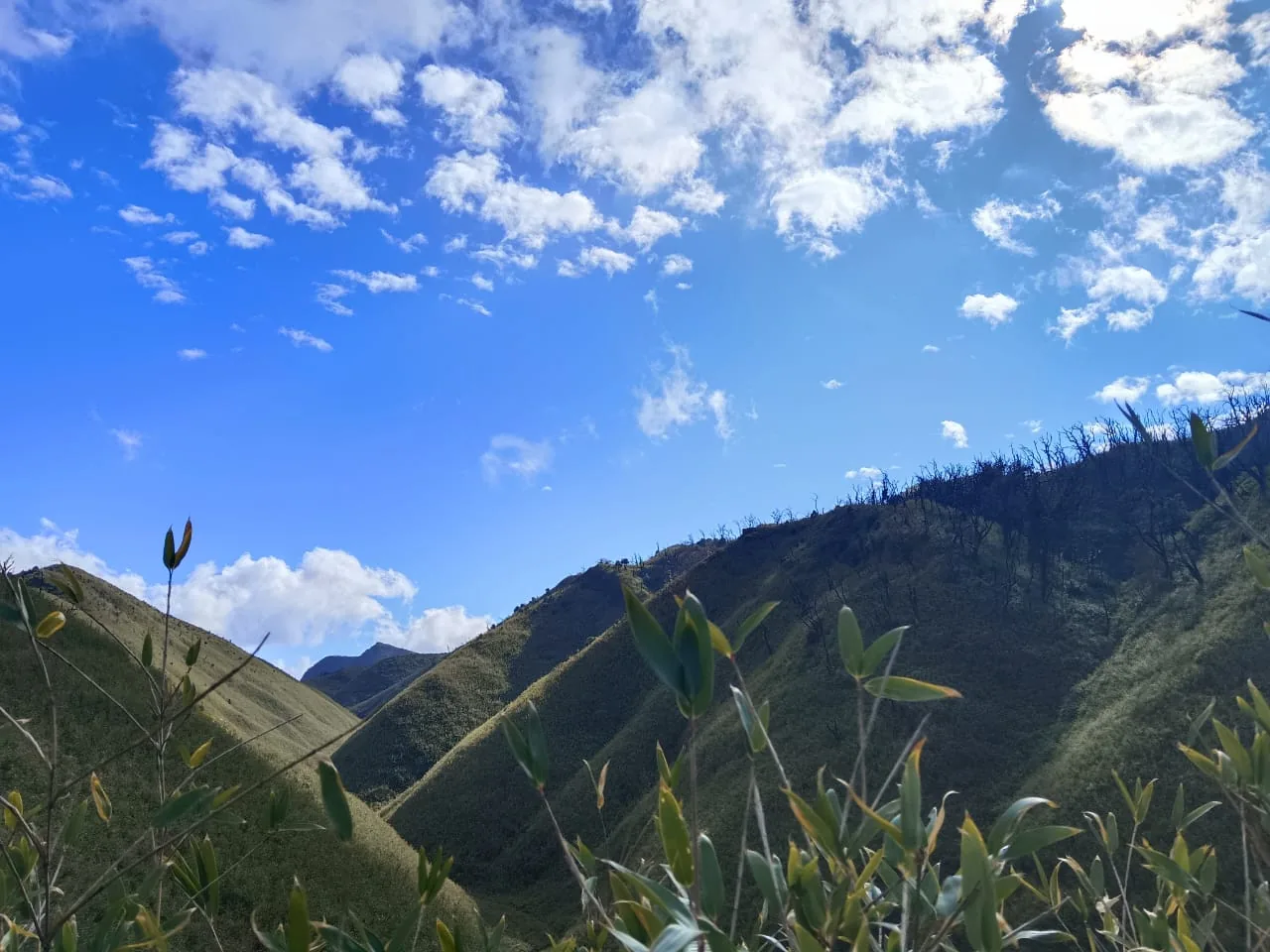
Nagaland landscape

Your destination guide

Nagaland

Widely celebrated as the 'Land of Festivals,' Nagaland is a wildly beautiful and deeply traditional state perched on the far eastern edge of India, sharing a porous, mountainous border with Myanmar. This rugged, emerald-green frontier is fiercely protected by its native inhabitants and remains a fascinating, untouched world of ancient warrior tribes, mist-covered peaks, and incredibly vibrant cultural celebrations.

Land of Festivals Northeast India Tribal Heritage Hornbill Festival Dzukou Valley Offbeat Adventure Warrior Tribes Myanmar Border Cultural Travel Untouched Nature

A sense of place

Discover Nagaland

Widely celebrated as the 'Land of Festivals,' Nagaland is a wildly beautiful and deeply traditional state perched on the far eastern edge of India, sharing a porous, mountainous border with Myanmar. This rugged, emerald-green frontier is fiercely protected by its native inhabitants and remains a fascinating, untouched world of ancient warrior tribes, mist-covered peaks, and incredibly vibrant cultural celebrations.

The state is a brilliant mosaic of sixteen major indigenous tribes, each proudly holding onto its own distinct dialects, strikingly colorful traditional attire, and ancient folklore. While the state was once famously known for its fearsome headhunting warriors, today it is a deeply peaceful, heavily agrarian, and predominantly Christian region that welcomes visitors with overwhelming hospitality and massive, community-wide harvest festivals.

Nagaland is the ultimate destination for cultural anthropologists, adventure seekers, and offbeat travelers wanting to step far outside their comfort zones. From trekking through the velvet-green slopes of the Dzukou Valley to witnessing the incredible, unified tribal displays at the annual Hornbill Festival, this mountain state offers a raw, authentic, and completely unforgettable journey into the tribal heart of the Northeast.

Places worth the journey

Explore Nagaland

From well-loved landmarks to quieter corners, find the places that make this destination unique.

6 places

Place 01 Nagaland

Kohima

Built directly along the sharp edge of a high mountain ridge, Kohima is the bustling, historic capital of Nagaland. Sitting at an altitude of almost 1,500 meters, this winding, heavily populated city perfectly balances its deep, ancient tribal roots with the rapid growth of modern, everyday city life.

The city holds a massive place in global history as the site of the Battle of Kohima, a brutal World War II conflict that famously stopped the Japanese invasion of India. Today, the beautifully maintained Kohima War Cemetery rests peacefully right in the center of town, offering a quiet, deeply moving tribute to the fallen soldiers alongside stunning views of the surrounding green valleys.

Things to do

  • Visiting the war cemetery
  • Exploring local markets
  • Learning WWII history
  • City sightseeing
  • Tasting Naga cuisine

Highlights

State CapitalWorld War II HistoryWar CemeteryMountain CityCultural GatewayRidge Settlement
Explore Kohima journeys

Place 02 Nagaland

Dzukou Valley

Tucked away at an altitude of 2,452 meters behind the Japfu Peak, the Dzukou Valley is widely considered the absolute natural crown jewel of Nagaland. The valley is famous for its completely treeless, rolling hills that look like they are covered in a smooth, vibrant green carpet of dwarf bamboo.

During the summer monsoon months, this freezing, windswept valley bursts into color as thousands of rare, seasonal wildflowers bloom, including the incredibly rare pink Dzukou Lily that cannot be found anywhere else on earth. Trekking through this pristine, untouched valley offers a deeply peaceful, almost otherworldly outdoor adventure for serious nature lovers.

Things to do

  • Valley trekking
  • Nature camping
  • Landscape photography
  • Wildflower spotting
  • Stargazing

Highlights

Rolling Green HillsTrekking ParadiseDzukou LilyPristine NatureHigh Altitude ValleyWildflowers
Explore Dzukou Valley journeys

Place 03 Nagaland

Kisama Heritage Village (Hornbill Festival)

Located just outside Kohima, the Kisama Heritage Village is a massive, open-air cultural museum designed to look exactly like an ancient Naga tribal settlement. The village features stunning, full-sized replicas of traditional 'Morungs' (youth dormitories), massive wooden carvings, and intricate tribal architecture from every major tribe in the state.

Every December, this quiet village explodes into life as the main venue for the world-famous Hornbill Festival, a massive, week-long celebration where all the tribes of Nagaland gather to showcase their dances, songs, food, and traditional sports. Experiencing this festival is a loud, colorful, and completely unforgettable dive into the unified tribal spirit of the state.

Things to do

  • Attending the Hornbill Festival
  • Watching traditional dances
  • Tasting local rice beer
  • Exploring Morung architecture
  • Cultural photography

Highlights

Hornbill FestivalTribal ShowcaseHeritage VillageNaga MorungsCultural Mega-EventTraditional Arts
Explore Kisama Heritage Village (Hornbill Festival) journeys

Place 04 Nagaland

Khonoma Village

Proudly holding the title of Asia’s very first 'Green Village,' Khonoma is an incredibly beautiful, historic settlement belonging to the fierce Angami Naga tribe. Estimated to be over 700 years old, the village is famous for its brave resistance against the British Empire and its massive, carefully carved agricultural terraces that step down the steep mountainsides.

In recent decades, Khonoma completely banned hunting and logging, turning itself into a massive, highly successful conservation success story. Walking through its narrow stone paths gives visitors a perfect, inspiring look at how ancient tribal communities are protecting their natural environment and keeping their traditional way of life alive.

Things to do

  • Village walking tours
  • Learning about conservation
  • Photography
  • Exploring terraced fields
  • Interacting with locals

Highlights

First Green VillageAngami TribeTerraced FarmingEco-TourismWildlife ConservationHistorical Resistance
Explore Khonoma Village journeys

Place 05 Nagaland

Mon and Longwa Village

Located in the far northern reaches of the state, the Mon district is the deeply fascinating, rugged home of the Konyak Nagas, easily recognized by their striking facial tattoos and history as the most fearsome headhunters in the region. The landscape is wild and remote, filled with traditional houses decorated with massive wooden carvings and animal skulls.

The highlight of the district is the incredible Longwa Village, which sits directly on the international border. In a fascinating geographic quirk, the international border between India and Myanmar runs directly through the village chief’s house, allowing the local chief to literally eat his meals in India and sleep in Myanmar.

Things to do

  • Visiting the chief's house
  • Standing on the international border
  • Cultural observation
  • Learning Konyak history
  • Portrait photography

Highlights

Konyak TribeHeadhunter HistoryMyanmar BorderFacial TattoosRemote TravelTribal Royalty
Explore Mon and Longwa Village journeys

Place 06 Nagaland

Mokokchung

Serving as the vibrant, intellectual, and cultural capital of the Ao Naga tribe, Mokokchung is a highly picturesque town built on a series of rolling, misty hills. It is one of the most important urban centers in Nagaland, famous for its beautifully clean streets, high literacy rates, and rich agricultural traditions.

The surrounding countryside is dotted with extremely old, traditional Ao villages like Ungma and Longkhum, which offer incredible views and deep folklore. If you visit during the spring, the town comes alive with the Moatsu Mong festival, a massive celebration of the sowing season filled with singing, dancing, and communal feasts.

Things to do

  • Exploring ancient villages
  • Attending agricultural festivals
  • Valley viewing
  • Learning local folklore
  • Photography

Highlights

Ao Naga TribeCultural CapitalScenic Hill TownMoatsu FestivalAncient VillagesRural Landscapes
Explore Mokokchung journeys

Make the most of your trip

Plan your visit

Practical pointers to help you choose when to go and how to get around.

When to go

October to May

Also consider: December (For the Hornbill Festival)

The most comfortable and rewarding time to explore Nagaland is during the dry months spanning from October through May. During this long window, the massive summer rains have stopped, leaving the mountain roads clear, the skies bright blue, and the weather perfectly crisp for trekking and village hopping.

The absolute peak time for tourism is the first week of December, when the entire state gathers for the famous Hornbill Festival at Kisama. The atmosphere during this month is incredibly festive and vibrant, though it can get very chilly in the high-altitude towns.

The heavy monsoon season, running from June to September, brings intense, non-stop downpours that completely wash out the mountain roads and cause frequent mudslides. While the green valleys look spectacular during this time, travel becomes extremely difficult, slow, and unpredictable.

Weather & altitude

Approximately 4°C to 30°C

Elevation: Approximately 194 meters to 3,840 meters meters above sea level

The climate changes completely depending on how high you are in the mountains. The lower plains near Dimapur experience hot, sticky summers, while the high ridge towns like Kohima and Mokokchung enjoy refreshing breezes in the summer and biting cold during the winter.

Nagaland is an extremely mountainous state, starting from the low, flat plains near the Assam border and climbing rapidly into deep, jagged peaks. The highest point in the state is the massive, snow-dusted Mount Saramati, standing at an imposing 3,840 meters.

Season by season

Spring March to May Approximately 15°C to 25°C

Spring brings beautifully warm, comfortable weather and is a fantastic time for nature lovers. The mountain slopes burst into color as wild rhododendrons and rare orchids bloom, making it perfect for trekking into the Dzukou Valley.

Monsoon June to September Approximately 20°C to 30°C

The monsoon season hits the hills with brutal, heavy rainfall that frequently destroys unpaved roads and cuts off remote villages. While the entire state turns a shocking, brilliant green, traveling long distances is highly discouraged.

Autumn October to November Approximately 15°C to 25°C

Autumn is a deeply peaceful, perfect time to visit. The heavy rains completely stop, leaving the air incredibly clear and crisp. It is a highly popular season for taking wide landscape photos and participating in local harvest festivals.

Winter December to February Approximately 4°C to 15°C

Winter brings bright, perfectly sunny days and sharply freezing nights. This is the busiest time for cultural tourism due to the massive Hornbill Festival, though visitors must pack heavy thermal clothing for the bitter evening cold.

Getting there

How to reach Nagaland

By Air

Dimapur Airport is the one and only commercial airport located inside the state of Nagaland. It offers highly convenient, regular daily flights that connect directly to major hubs like Kolkata and Guwahati.

After landing in the plains of Dimapur, travelers must hire a private taxi or take a shared jeep for a highly scenic, winding, three-hour drive up the mountain highway to reach the capital city of Kohima.

By Rail

Dimapur Railway Station is the only major train hub serving the state, acting as a crucial, busy link between Nagaland and the massive Indian railway network.

The station is extremely well-connected, with daily express trains running from Guwahati, Kolkata, and New Delhi. Just like arriving by air, train passengers must switch to road transport to climb into the inner mountains.

By Road

The massive National Highway 39 (NH-39) acts as the absolute lifeline of the state, connecting the border town of Dimapur directly to Kohima and pushing further south into Manipur.

While road trips offer spectacular, edge-of-your-seat views of the steep valleys, the mountain roads are frequently bumpy and slow-moving. It is also mandatory for all domestic and international travelers to secure an Inner Line Permit (ILP) or Protected Area Permit (PAP) before entering the state.

Make it your own

Nagaland journeys

Explore thoughtfully planned trips, or ask our team to tailor an itinerary around your interests.

We’re preparing trips for this destination. Contact our local travel team to plan a custom journey.

Travel with local insight

Let’s plan your Nagaland escape.

Tell us what inspires you and we’ll help shape a journey at your pace.

Talk to a travel expert