
Assam landscape

Your destination guide

Assam

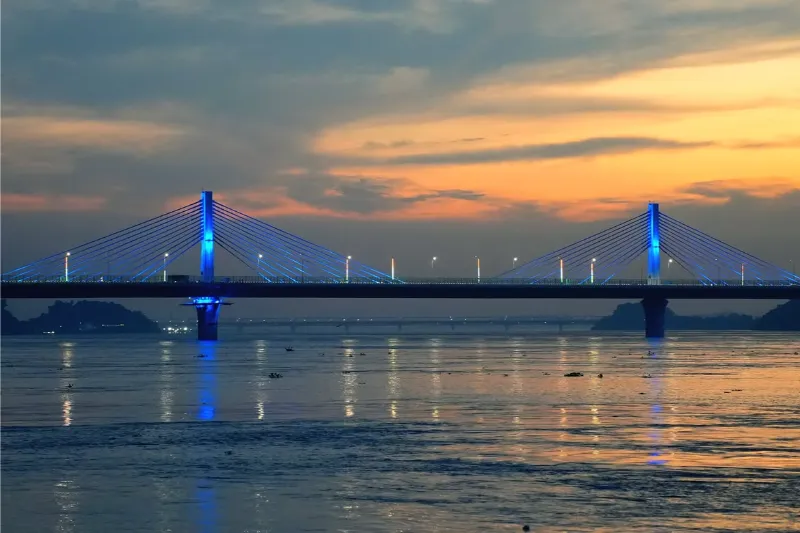
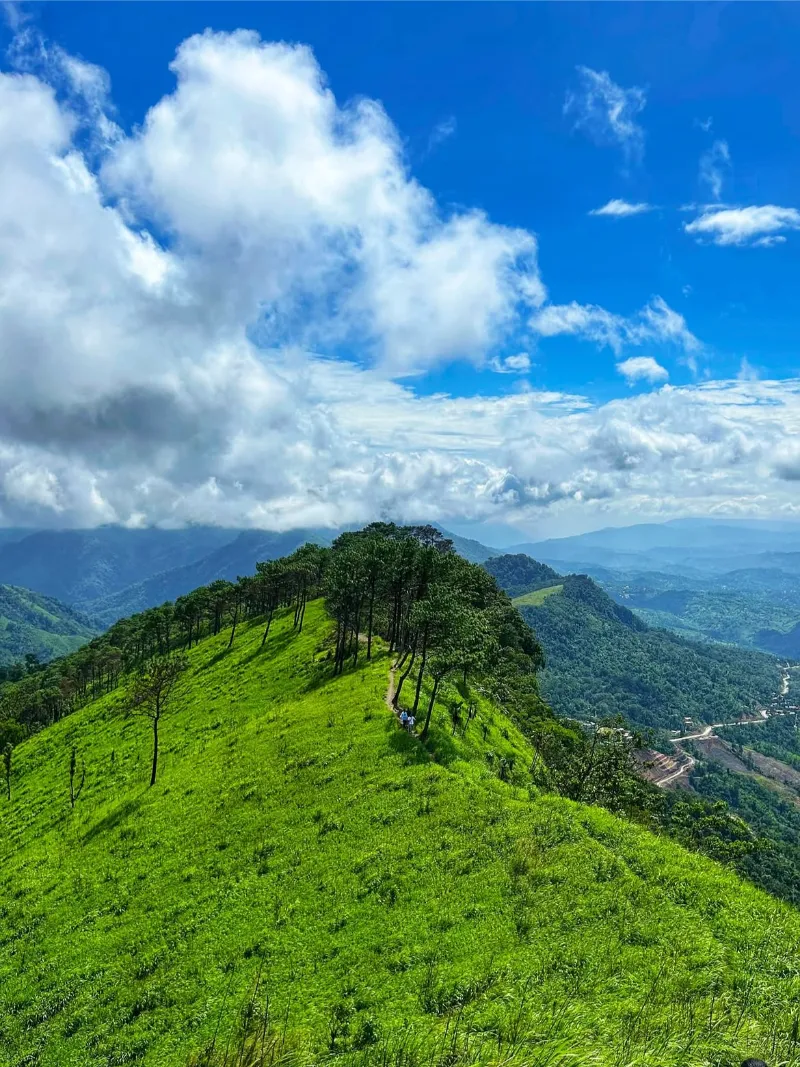
Acting as the main entrance and the lively core of Northeast India, Assam is a massive, lush green valley split right down the middle by the wide, powerful Brahmaputra River. This huge, fertile land is famous all over the world as an agricultural giant, completely covered in carefully shaped tea gardens that grow some of the strongest and most sought-after orthodox teas on the planet.

Brahmaputra Valley Wildlife Reserve Tea Gardens Ahom Dynasty Heritage River Islands Kaziranga Safari Cultural Travel Nature Exploration Rich Biodiversity Northeast India Gateway

A sense of place

Discover Assam

Acting as the main entrance and the lively core of Northeast India, Assam is a massive, lush green valley split right down the middle by the wide, powerful Brahmaputra River. This huge, fertile land is famous all over the world as an agricultural giant, completely covered in carefully shaped tea gardens that grow some of the strongest and most sought-after orthodox teas on the planet.

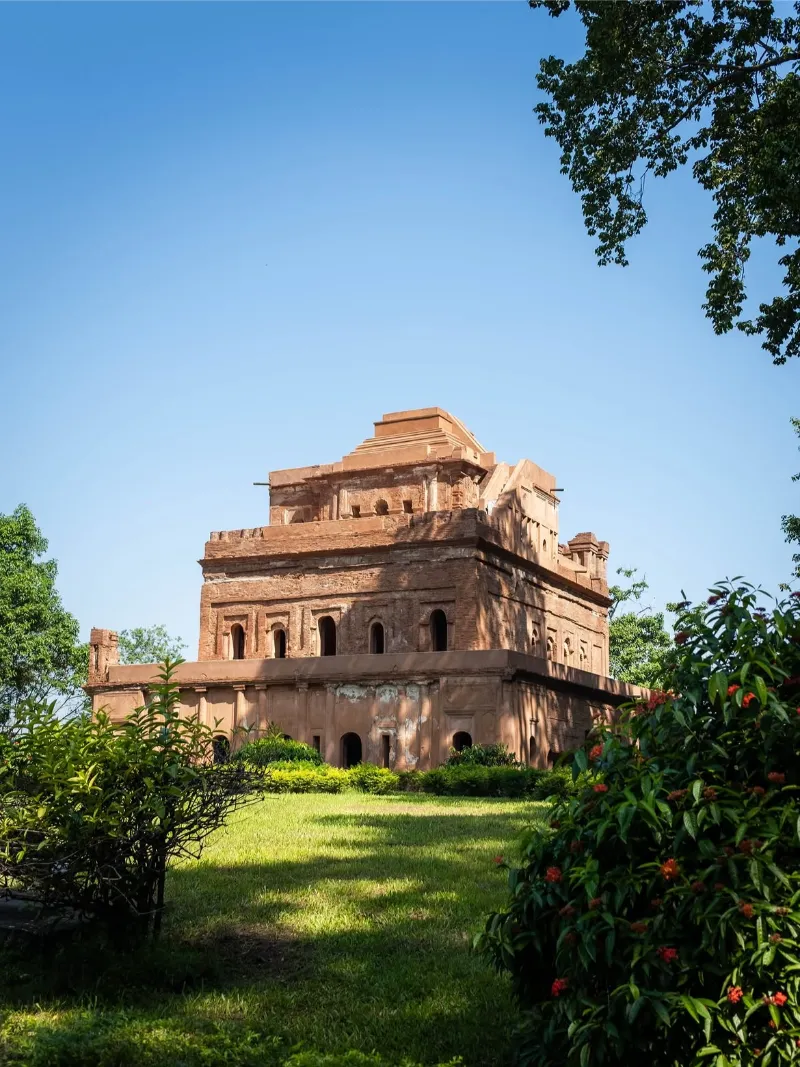
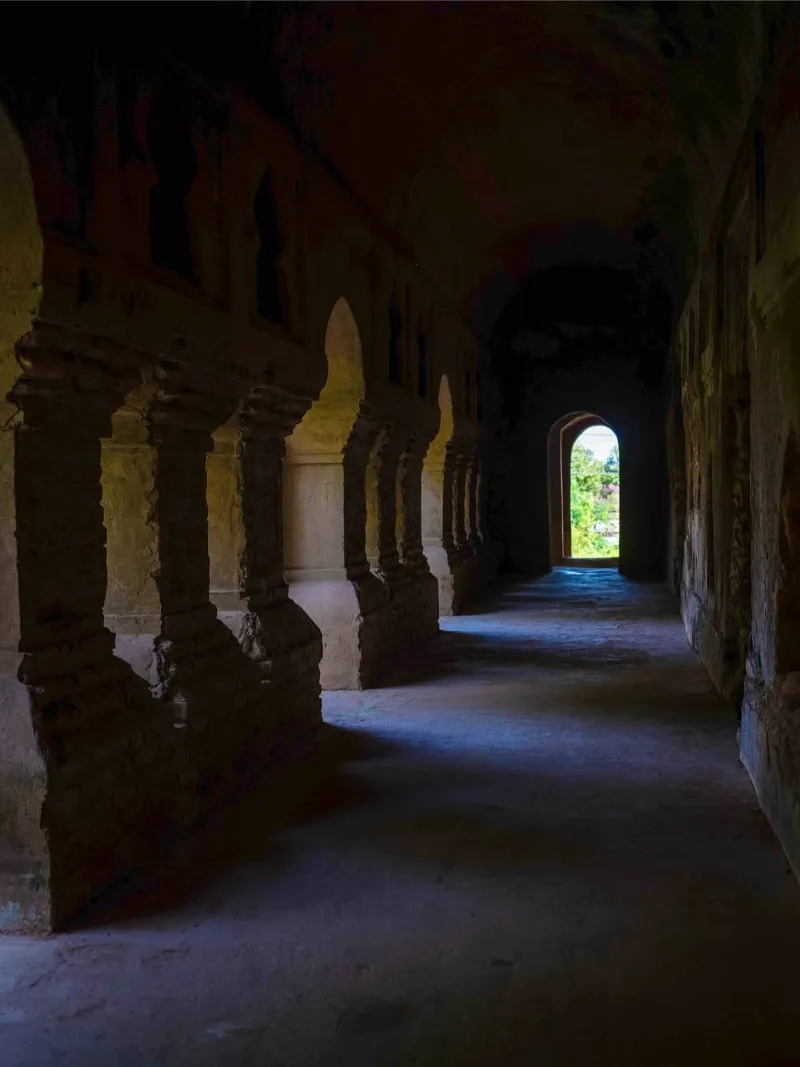
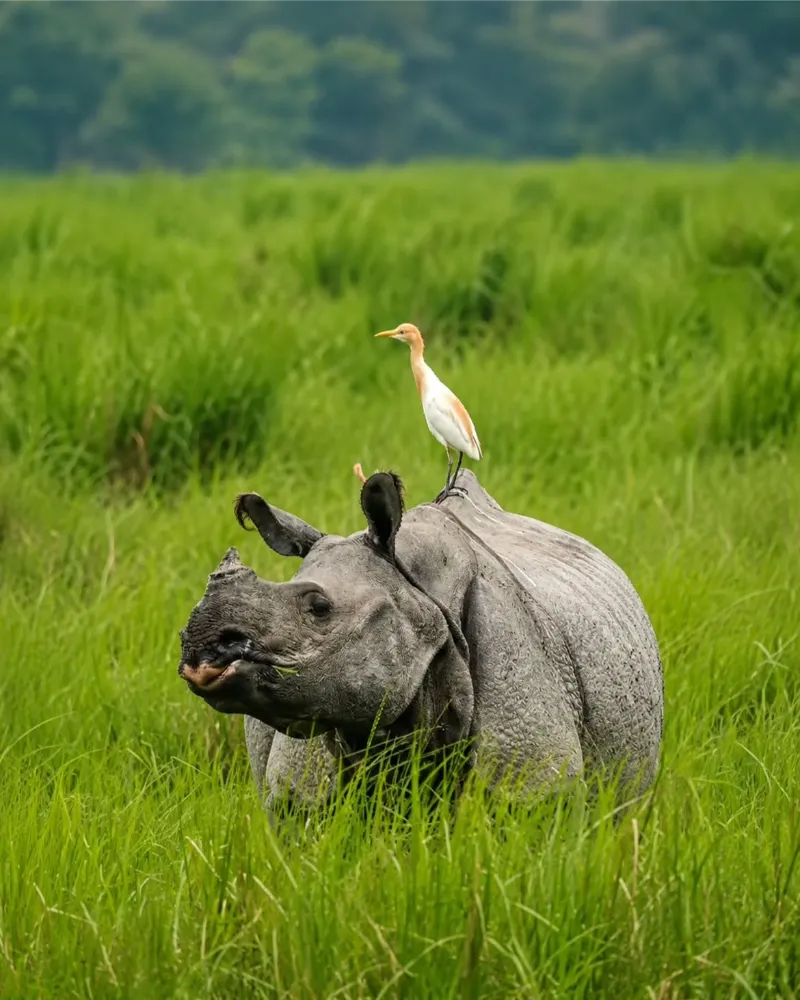
Beyond its incredible tea production, Assam is an absolutely vital safe space for ancient nature and wildlife. It holds the thick, swampy grasslands and tropical forests that act as the final major home for the endangered Indian one-horned rhino, along with large numbers of wild water buffalo, Asian elephants, and Bengal tigers. The landscape is also dotted with old, impressive stone and brick buildings that stand as proud reminders of the powerful Ahom kings who ruled the area for six hundred years.

This state offers a complex and beautiful mix of experiences for nature lovers, history fans, and people looking for spiritual meaning. By combining thrilling wild animal safaris, deep monastic traditions on river islands, and the energetic beats of the Bihu festivals, Assam stands out as an incredibly diverse and precious destination in Asia.

Places worth the journey

Explore Assam

From well-loved landmarks to quieter corners, find the places that make this destination unique.

7 places

Place 01 Assam

Kaziranga National Park

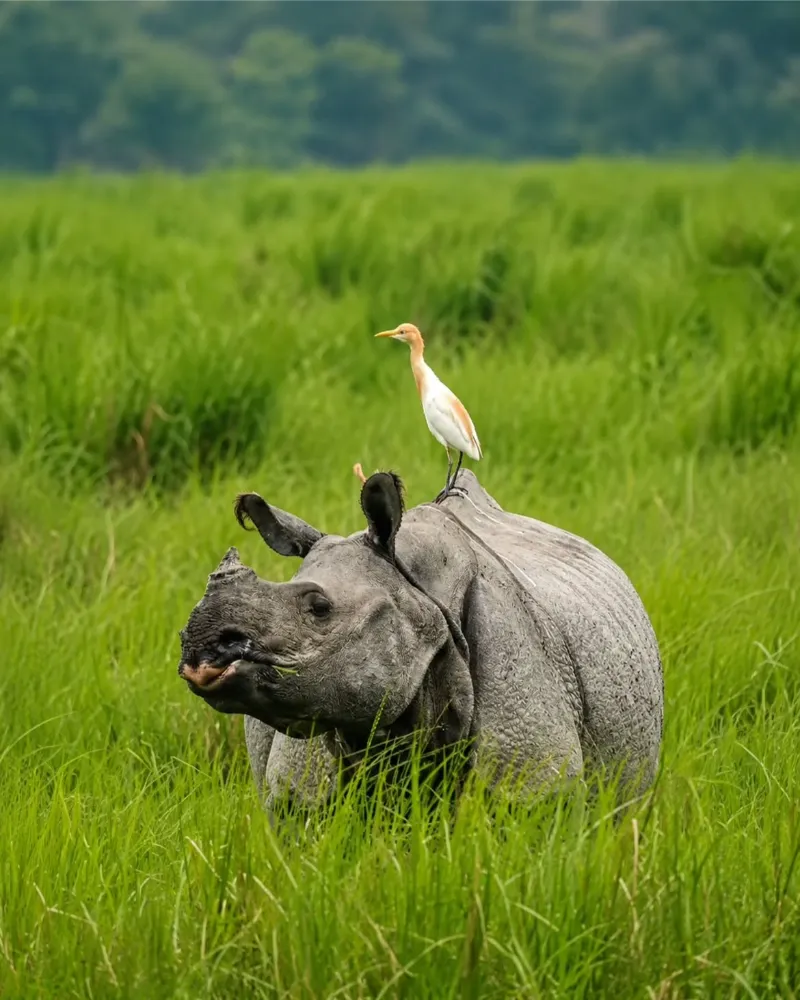
Proudly holding the title of a UNESCO World Heritage Site, Kaziranga National Park is a massive success story for worldwide nature conservation. This huge, uninterrupted stretch of tall elephant grass, thick tropical forests, and confusing wetlands is the undisputed home of the Great Indian One-Horned Rhinoceros, protecting two-thirds of all these rhinos left in the world.

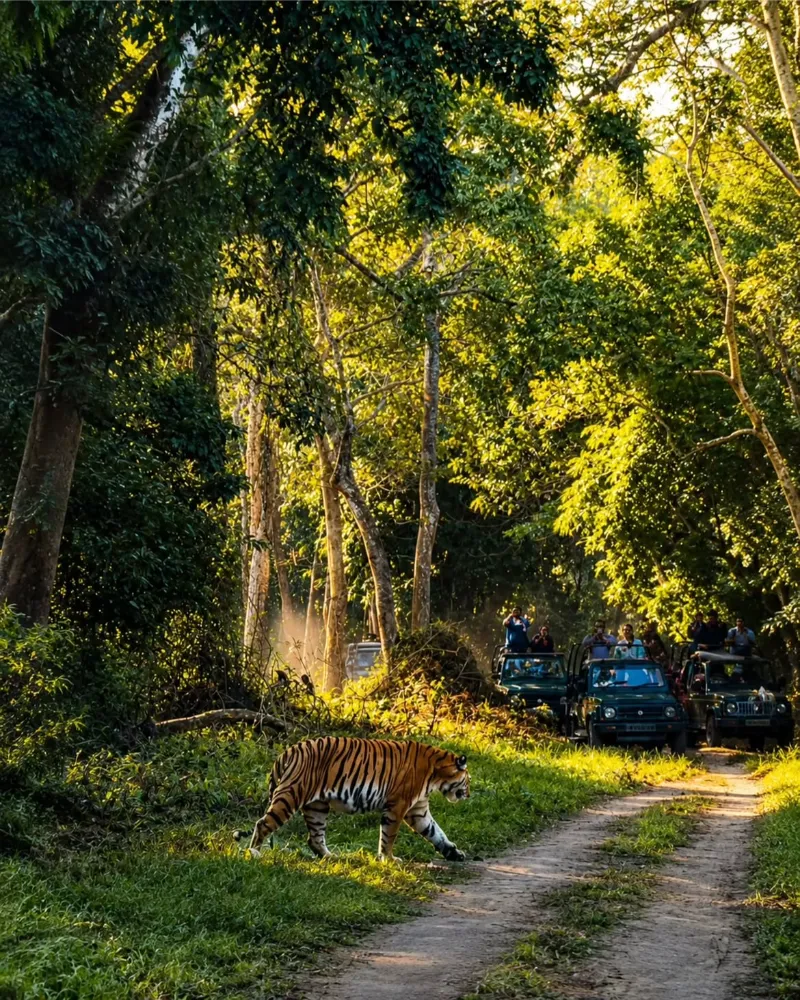
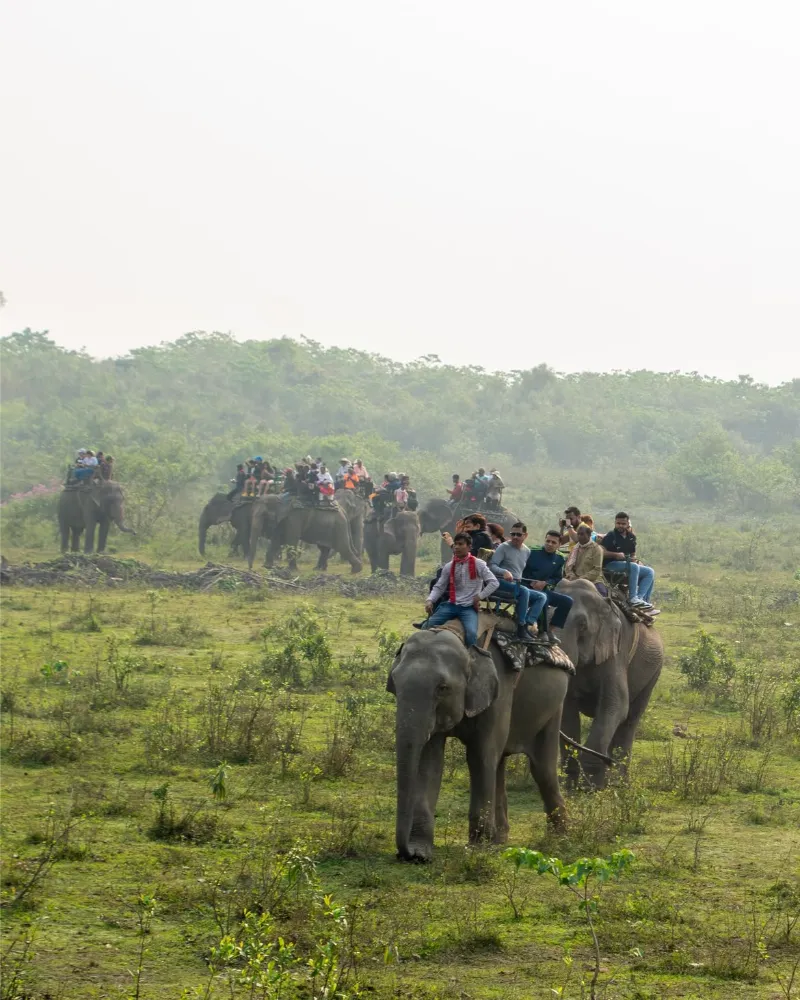
Traveling through this ancient river plain, whether you are riding a trained elephant in the misty early morning or bouncing along in a tough safari jeep, gives you an unforgettable, close-up look at a wild, prehistoric environment. The park is incredibly rich in wildlife, also housing large groups of Asian elephants, swamp deer, and one of the highest numbers of tigers found anywhere on earth.

Things to do

  • Jeep touring
  • Elephant riding
  • Taking wildlife photos
  • Watching rare birds
  • Observing nature

Highlights

UNESCO HeritageWildlife ParkOne-Horned RhinocerosJungle SafariAnimal BiodiversityWildlife Photography
Explore Kaziranga National Park journeys
Place 02 Assam

Majuli

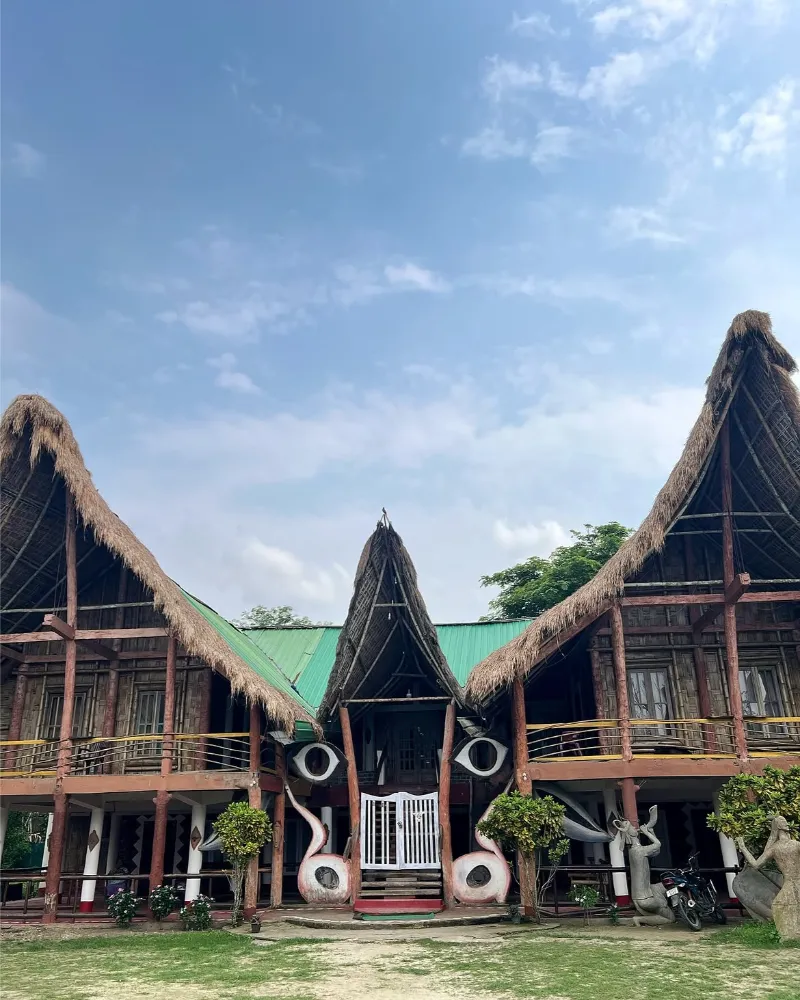
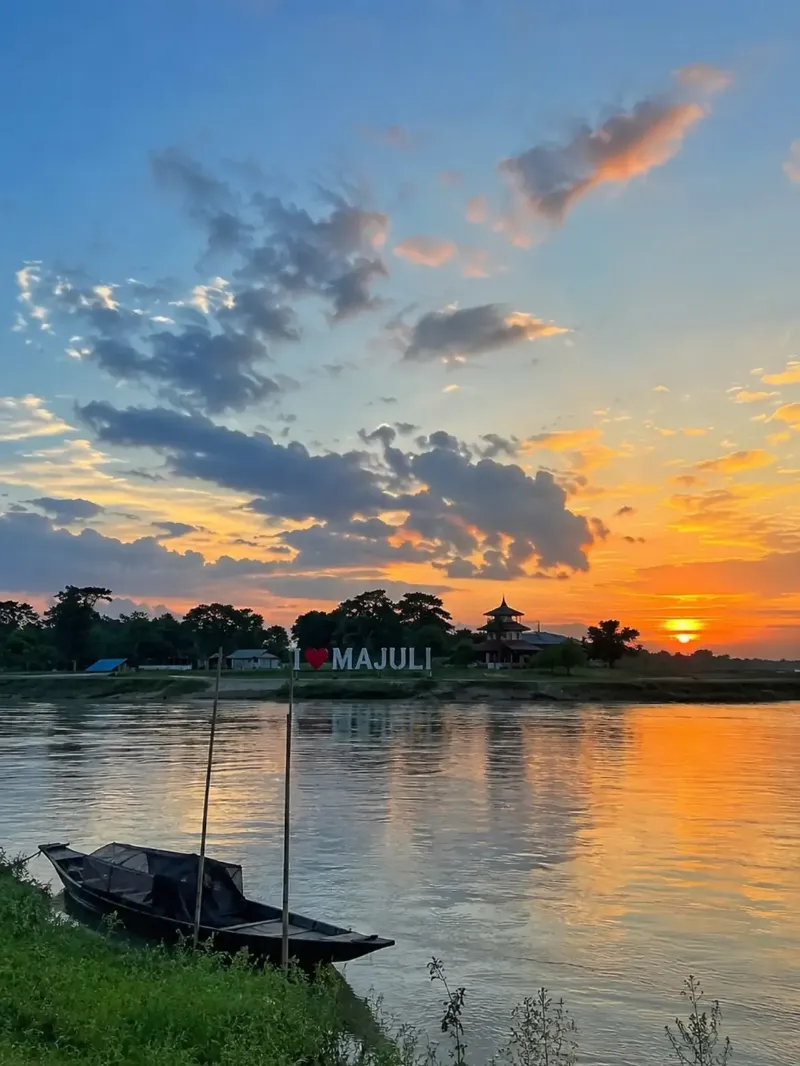
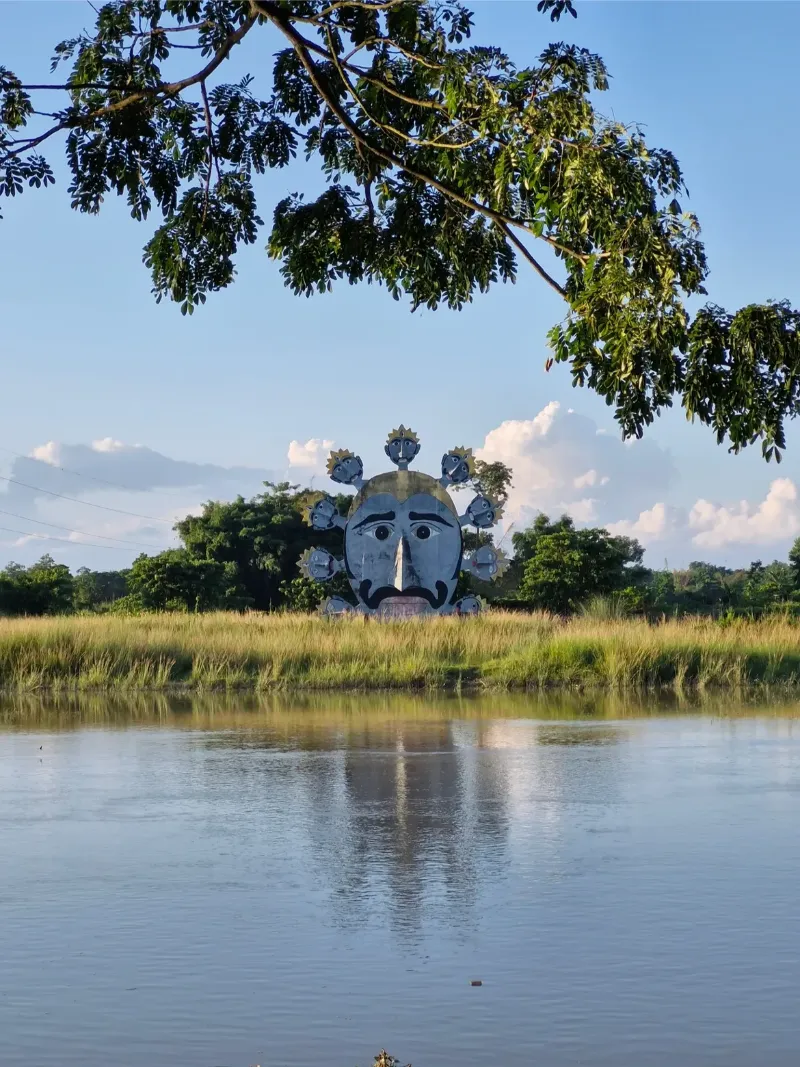
Holding the record as the largest river island in the world, Majuli is a stunning, ever-changing piece of land floating right in the middle of the massive Brahmaputra River. While the island is slowly shrinking over time, it remains the deeply respected center of Assamese Neo-Vaishnavite culture, a spiritual movement started in the 1400s by the famous saint and scholar, Srimanta Sankardeva.

The island is covered with historic 'Satras' (monasteries) that carefully keep ancient performing arts, detailed mask-making skills, and classic religious music alive today. Majuli’s strange and peaceful landscape, filled with bright green rice fields and wide wetlands packed with traveling birds, offers a quiet, highly spiritual break from busy modern life.

Things to do

  • Touring Satras
  • Watching mask makers
  • Riding bicycles
  • Taking river ferries
  • Learning local culture

Highlights

River Sandbar IslandNeo-Vaishnavite HubAncient SatrasLocal Arts and CraftsSpiritual JourneyEco-Tourism Retreat
Explore Majuli journeys

Place 03 Assam

Guwahati

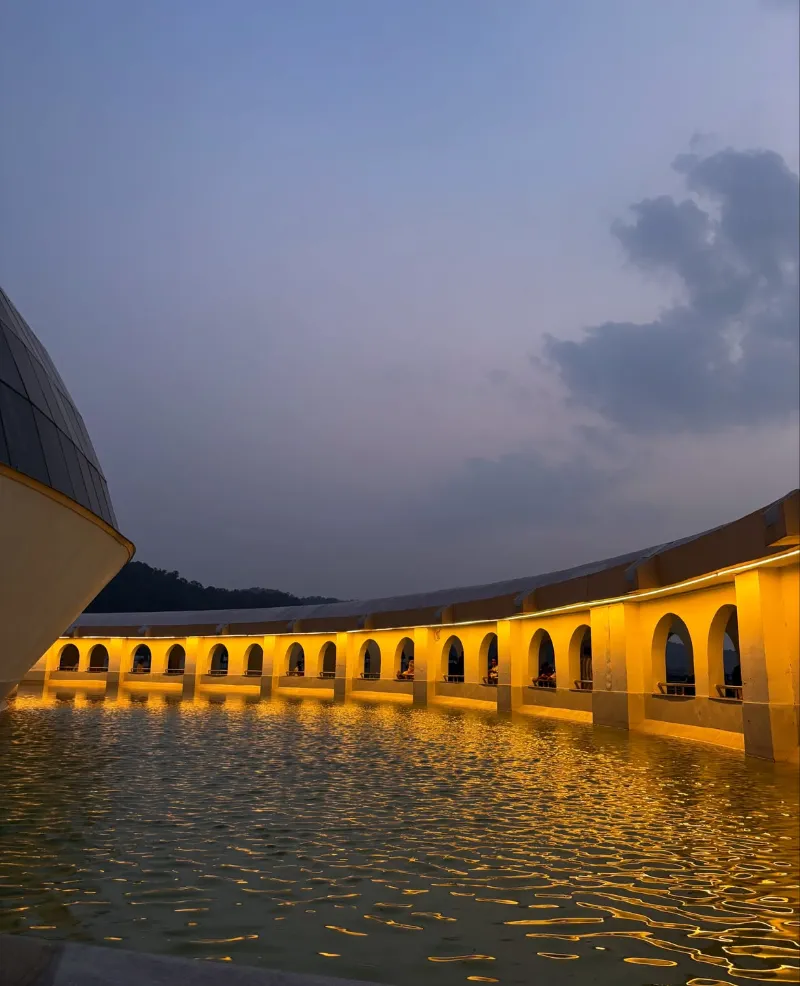
Guwahati acts as the busy, modern heart of Assam and is the main starting point for anyone traveling into the northeastern states. Squeezed between the southern edge of the Brahmaputra River and the green hills of the Shillong plateau, this major city beautifully mixes fast-paced modern buildings with deep, ancient mythology.

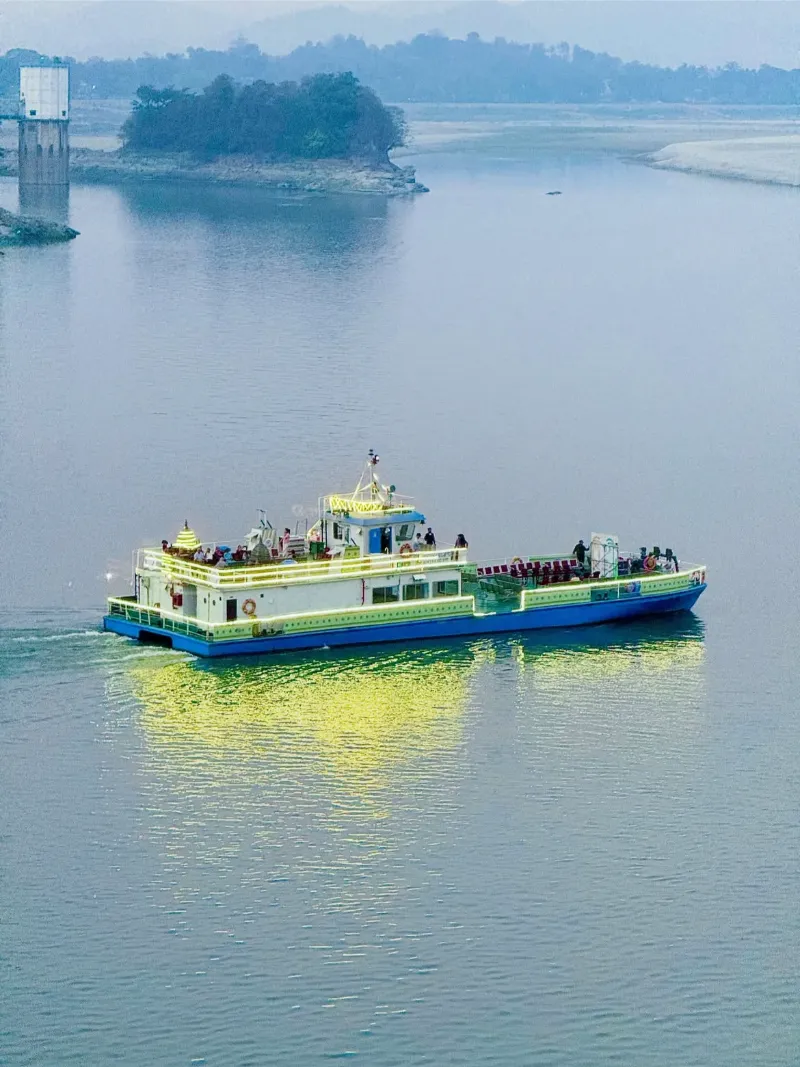
The spiritual peak of the city is the powerful Kamakhya Temple, a highly important Shakta Tantric religious site sitting high up on Nilachal Hill. Outside of its heavy religious draw, Guwahati also features wide walking paths along the river, massive markets selling local silk, and evening boat rides that show off the bright red sun setting directly into the massive river waters.

Things to do

  • Visiting shrines
  • Taking river boats
  • Buying local silk
  • Learning history
  • Exploring the city

Highlights

Major CityKamakhya ShrineBrahmaputra BanksNortheast Entry PointReligious CenterCity Life
Explore Guwahati journeys

Place 04 Assam

Sivasagar

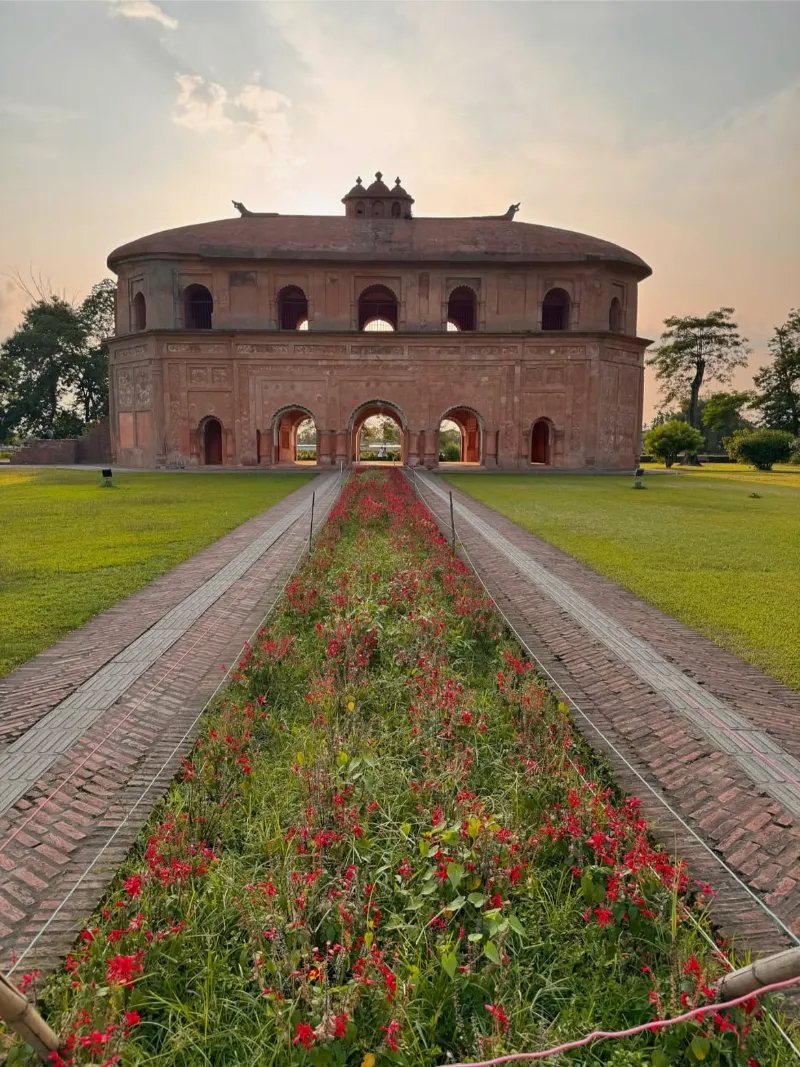
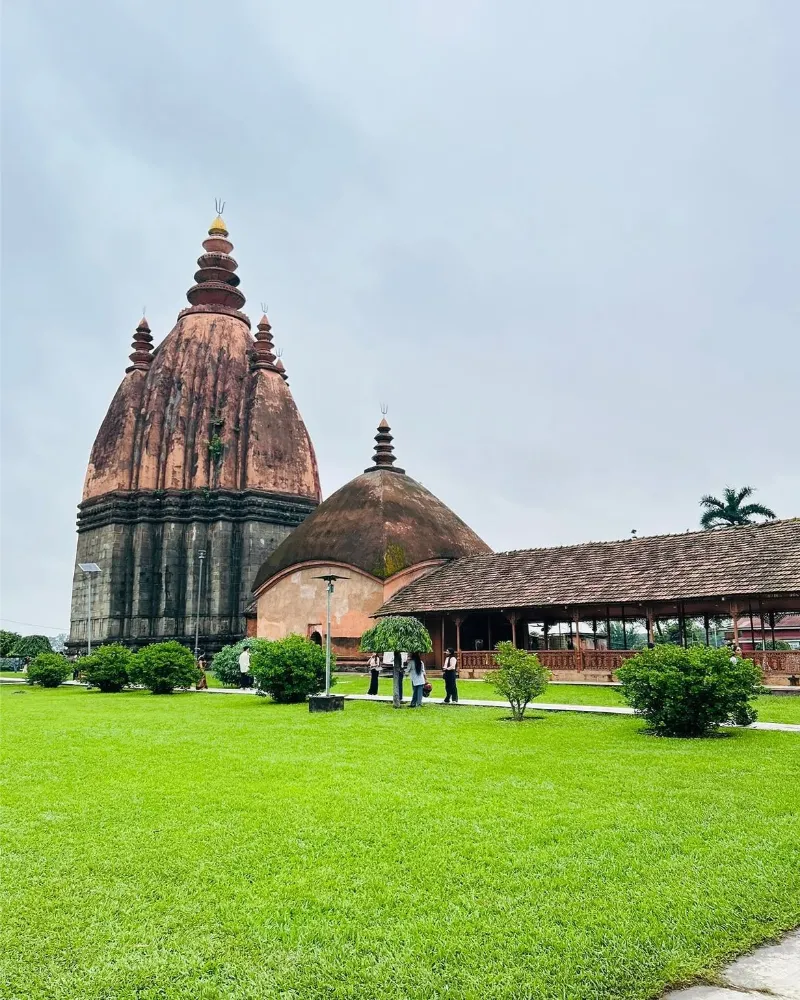
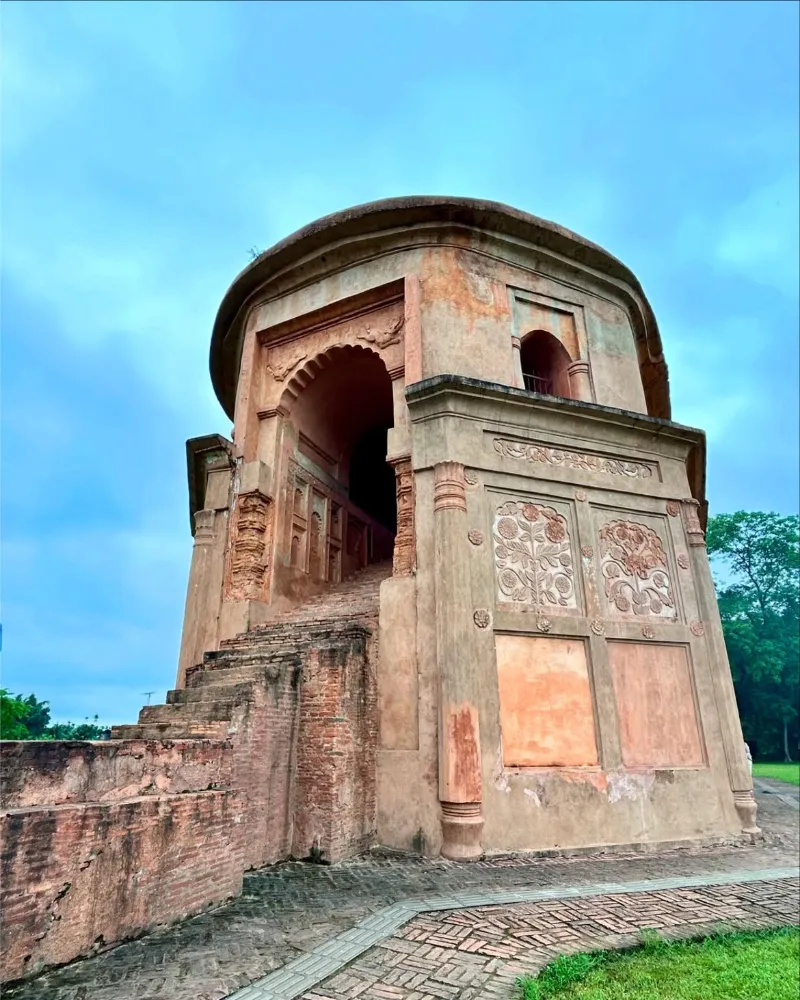
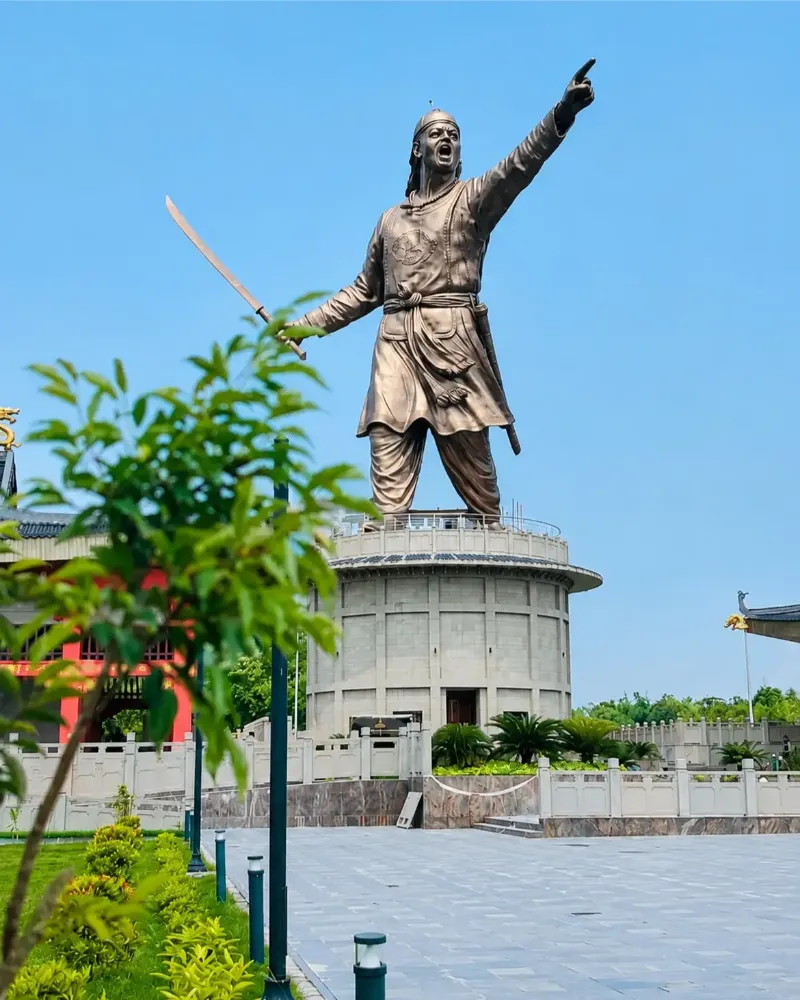
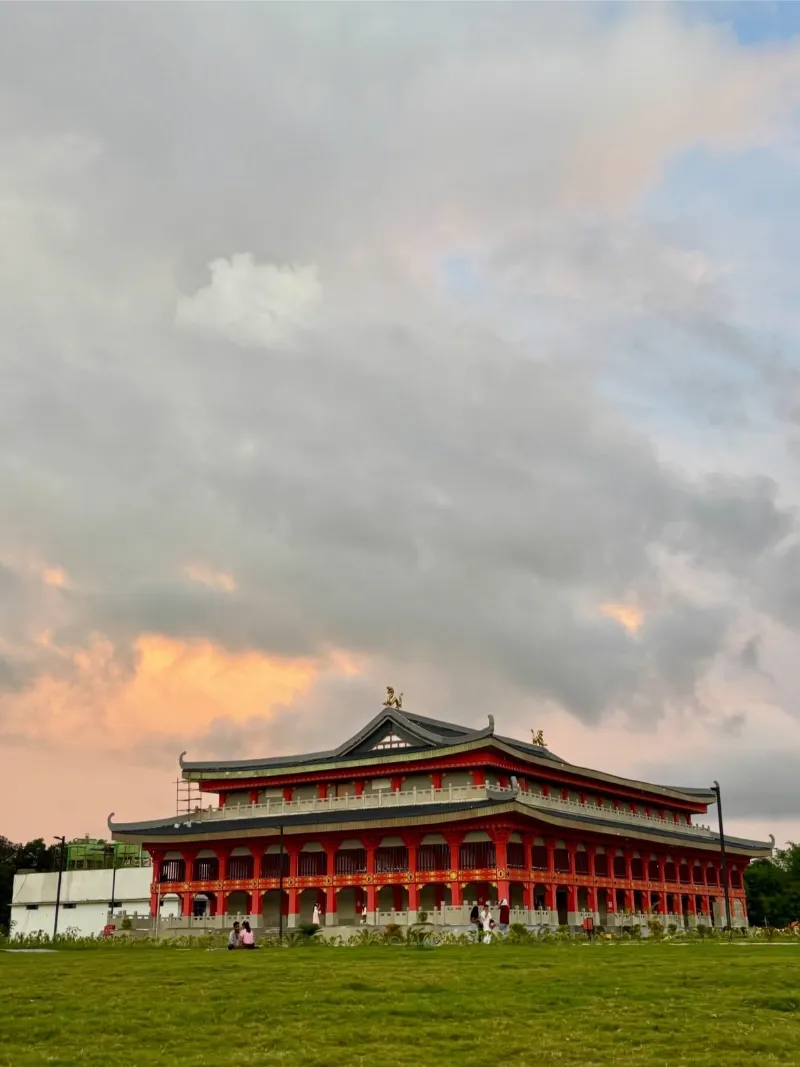
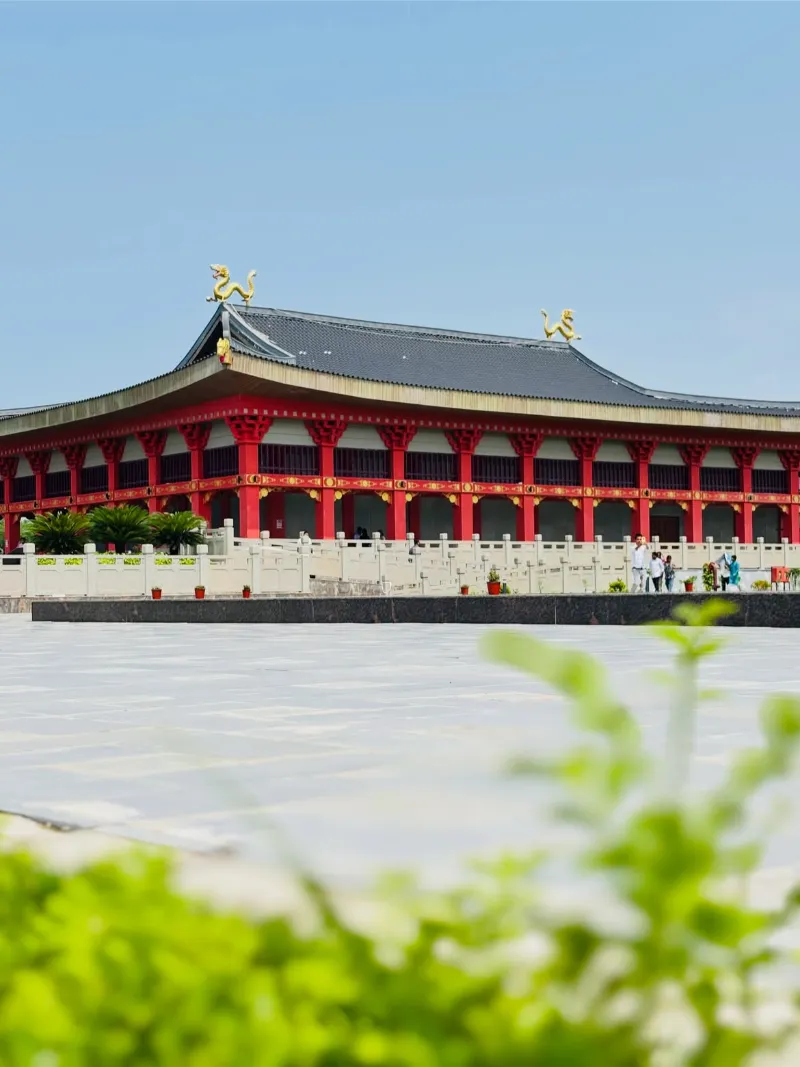
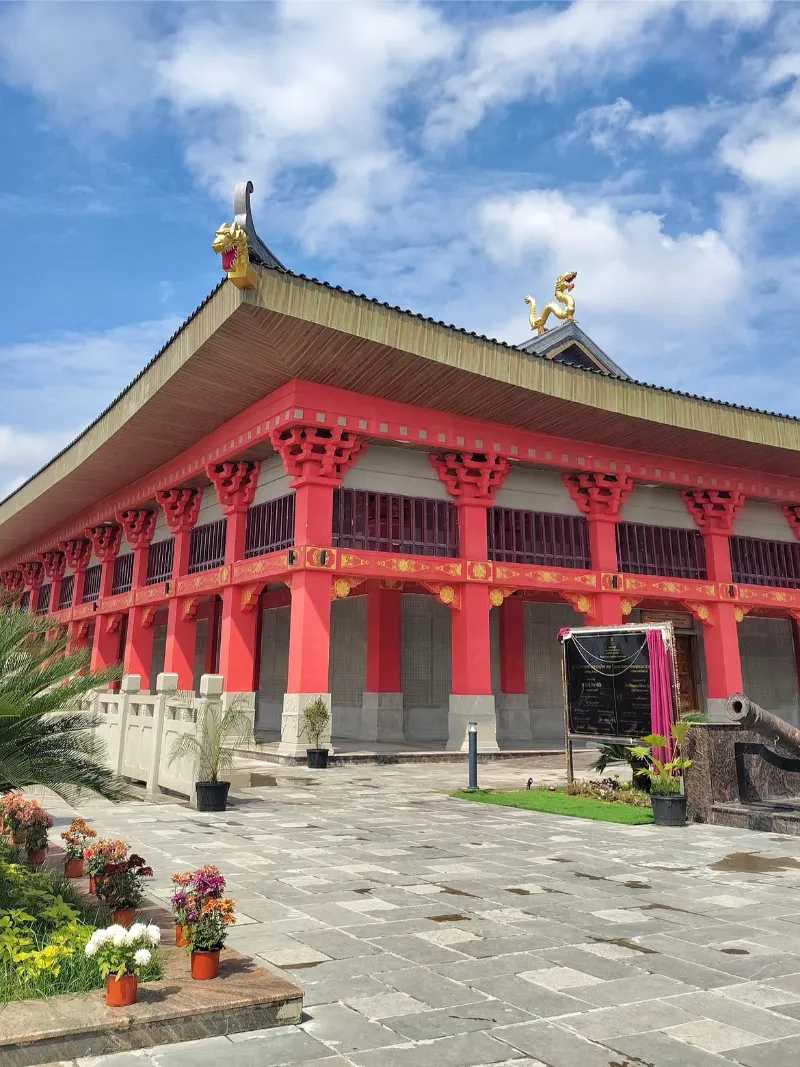
Originally known in history as Rangpur, Sivasagar was the rich and highly strategic capital of the powerful Ahom Empire, a royal family that controlled Assam with an iron grip for six straight centuries. Today, the town is basically an outdoor museum of history, filled with massive, reddish-brown temples and huge buildings built for the kings.

The incredible design of the Rang Ghar (an ancient sports stadium for royalty) and the tall roof of the Shiva Dol temple show off the brilliant building skills and artistic taste of the Ahom period. The town is also surrounded by massive, hand-dug royal lakes (Borphukhans), which serve as a lasting reminder of how organized and powerful this empire truly was.

Things to do

  • Touring ancient monuments
  • Looking at architecture
  • Taking pictures
  • Learning about culture
  • Walking by the lakes

Highlights

Ahom KingsAncient CapitalHistoric BuildingsArchaeological SitesRoyal TemplesCultural History
Explore Sivasagar journeys

Place 05 Assam

Manas National Park

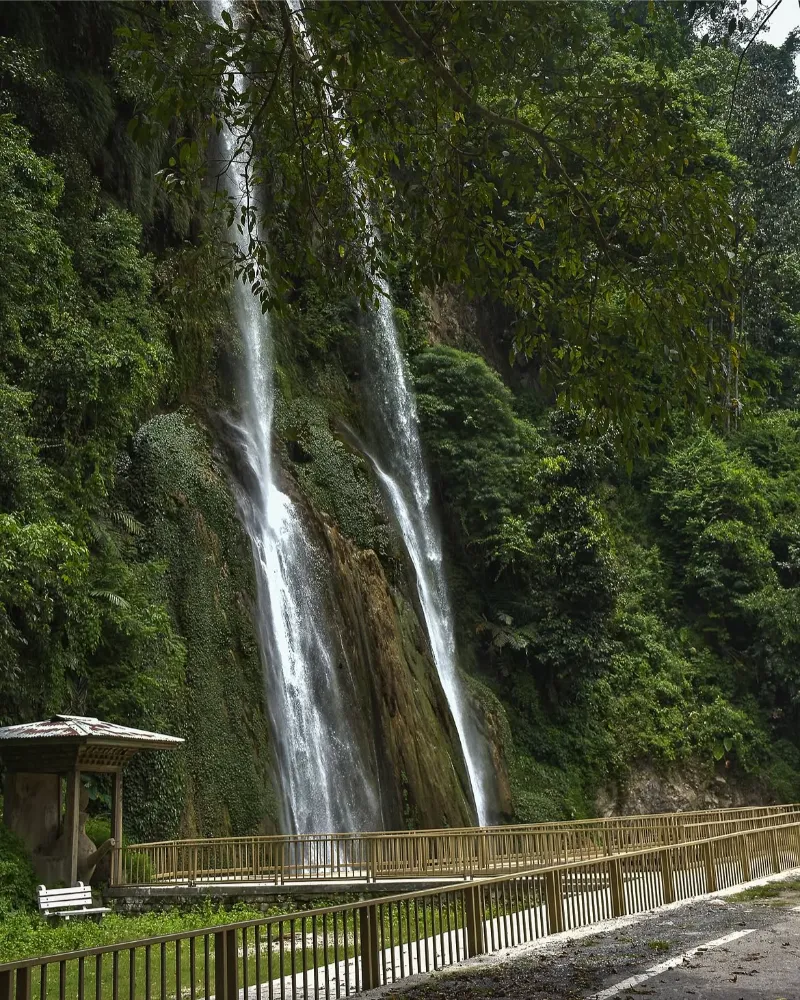
Sitting right on the international border with Bhutan, Manas National Park is an incredible, UNESCO-certified nature reserve that acts as a tiger sanctuary, an elephant protection area, and a major hotspot for biodiversity all at once. The landscape here is a beautiful mix of tree-covered hills, flat grasslands, and perfectly clear tropical rivers.

Manas is famous for having animals that you simply cannot find anywhere else, providing a safe home for incredibly rare creatures like the Assam roofed turtle, the hispid hare, the golden langur, and the pygmy hog. Because it is less crowded than other parks, this wild area offers a very peaceful, private, and deeply engaging nature safari experience.

Things to do

  • Riding in safari jeeps
  • Rafting on the river
  • Looking for birds
  • Photographing nature
  • Tracking wild animals

Highlights

UNESCO BiosphereNature ReserveTiger SanctuaryGolden Langur HabitatUntouched JungleSafari Experience
Explore Manas National Park journeys
Place 06 Assam

Jorhat

Widely known all over the globe as the 'Tea Capital of the World,' Jorhat is the absolute center of Assam's massive tea business and its deep history of plantation owners. The entire area is covered by a seemingly endless, perfectly trimmed green ocean of tea plants, broken up only by large, old-fashioned colonial houses that bring back the feeling of old-world luxury.

Jorhat is also the brain and cultural center of the upper Assam region, home to the Tocklai Tea Research Institute, which is the oldest research center of its kind on earth. For people who love food and drink, taking a walk through these estates is an amazing way to learn exactly how classic Assamese tea is grown, made, and tasted.

Things to do

  • Touring tea gardens
  • Tasting different teas
  • Staying in heritage homes
  • Taking pictures
  • Learning about farming

Highlights

World Tea CapitalTea PlantationsColonial HistoryFarming TraditionsFood and Drink TourismRelaxing Vacations
Explore Jorhat journeys

Place 07 Assam

Haflong (Dima Hasao)

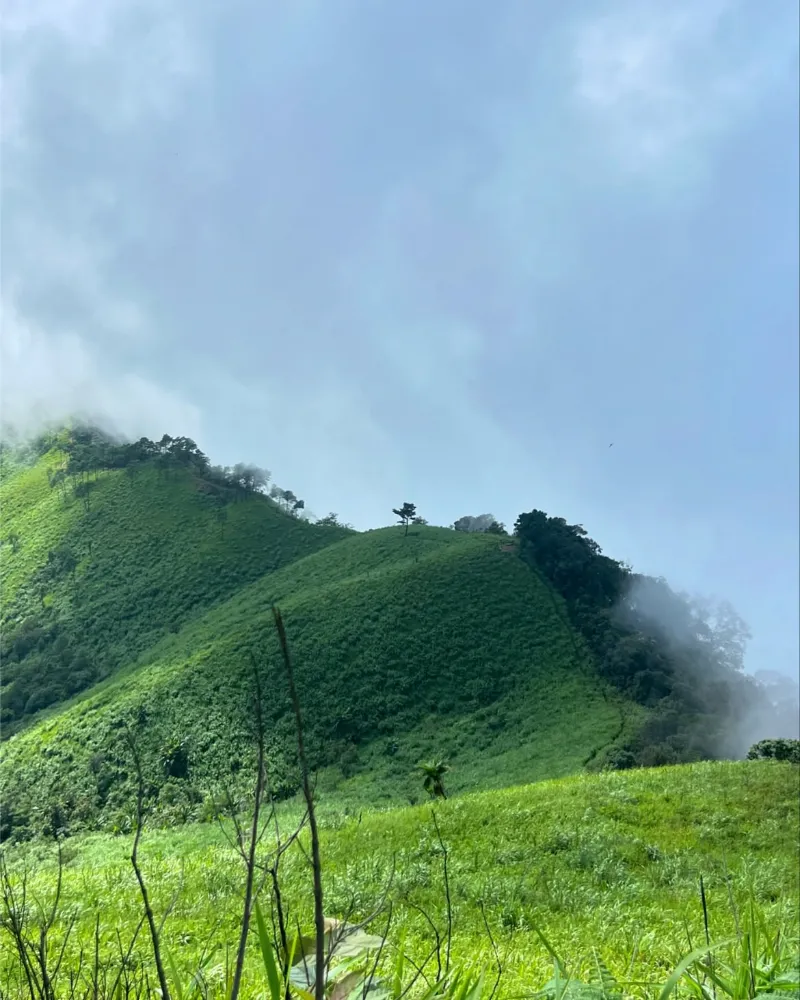
As the one and only hill station in the entire state of Assam, Haflong—which serves as the main town for the Dima Hasao district—offers a sharp, cool change of scenery from the wide, flat Brahmaputra plains. Tucked away in the green, foggy hills of the Barail Range, this town is a peaceful retreat filled with cool mountain breezes, bright blue lakes, and thick bamboo woods.

This area is highly respected for its rich mix of native tribal cultures and the famous, incredibly scenic train ride that passes through the nearby Jatinga valley. Haflong is a quiet, non-commercialized country getaway that provides beautiful nature walks, places to admire wild orchids, and a feeling of deep, mountainous peace.

Things to do

  • Walking in nature
  • Boating on the lake
  • Taking the scenic train
  • Photographing landscapes
  • Exploring tribal culture

Highlights

Mountain Hill StationBarail HillsNative TribesMountain SceneryWalking TrailsPeaceful Getaway
Explore Haflong (Dima Hasao) journeys

Make the most of your trip

Plan your visit

Practical pointers to help you choose when to go and how to get around.

When to go

November to April

Also consider: October and May

The absolute best time to travel through the plains of Assam is from the end of autumn right through to the beginning of spring (November to April). During these months, the weather is fantastic—featuring warm, sunny days, cool, relaxing nights, and almost no rain at all. Most importantly, this dry weather means the swampy roads in Kaziranga and Manas are easy to drive on and the large animals are easy to spot.

The spring month of April brings a massive burst of culture, as it lines up with the exciting Bohag Bihu festival, filling the state with traditional dancing, music, and harvest celebrations. Just before the heavy rains start, May brings higher humidity and sudden rainstorms, which is the sign that the wildlife parks will soon close.

The long monsoon season, which hits hard from June to September, regularly causes the Brahmaputra valley to suffer from massive, destructive floods. Because of this, every national park is completely closed to tourists, and driving between different towns can become very difficult and dangerous due to the water.

Weather & altitude

Approximately 8°C to 35°C

Elevation: Approximately 40 meters to 1,900 meters meters above sea level

The weather in the valley is mostly defined by sticky, tropical summers where the heat can get quite uncomfortable. On the other hand, the winter season brings a very crisp, pleasant coolness, but it almost never drops down to the freezing cold temperatures felt in the nearby Himalayan states.

Most of Assam is made up of the wide, flat lands sitting right next to the Brahmaputra and Barak rivers, which are only slightly above sea level. However, the flat landscape is sharply broken up in the south by the rocky, tall hills of the Karbi Anglong plateau and the Barail Range.

Season by season

Spring March to April Approximately 20°C to 30°C

Spring brings a warm, colorful return to farming life across the state. It is the most important cultural time of the year, marked by the happy Rongali Bihu festival, which gives tourists an amazing chance to dive deep into real Assamese traditions and food.

Monsoon May to September Approximately 25°C to 35°C

The monsoon season takes over the state with heavy, non-stop rain and very thick, sticky humidity. The Brahmaputra River rises rapidly and floods huge areas of the valley, forcing all the wildlife parks to close down for the season so nature can recover.

Autumn October to November Approximately 18°C to 28°C

Autumn is a peaceful shift in the weather. The heavy floodwaters finally pull back, leaving the land incredibly green and lush. The skies turn a clear, sharp blue again, marking the happy reopening of the national wildlife parks.

Winter December to February Approximately 8°C to 24°C

Winter provides perfect, foggy mornings and wonderfully comfortable, sunny afternoons all across the plains. This is the absolute peak time for taking jungle safaris, riding boats on the river, and spending long days exploring historical buildings.

Getting there

How to reach Assam

By Air

Lokpriya Gopinath Bordoloi International Airport in Guwahati is the massive flight hub for both Assam and the entire northeast region, offering strong, daily flight connections to every big city in India.

If you want to quickly reach Upper Assam, the tea gardens, or the eastern wildlife parks, flying directly into the smaller regional airports at Dibrugarh (Mohanbari), Jorhat (Rowriah), or Tezpur (Salonibari) is a very easy and time-saving option.

By Rail

Assam has a very strong and wide-reaching train network. Guwahati Railway Station and Kamakhya Junction are the biggest train stops, catching long-distance trains—like the fast Rajdhani expresses—from all over India.

This internal train system reaches far into the edges of the state, with major stops at Dibrugarh, Tinsukia, and Jorhat, making it very easy and comfortable for passengers and cargo to move around inside Assam.

By Road

Assam is the main transportation anchor for Northeast India, heavily connected to the rest of the country by the major NH27 and NH15 highways, which run right alongside the Brahmaputra River through the middle of the state.

A massive, dependable network of government buses, private tourist buses, and easy-to-hire taxis makes sure that even the most hidden jungle parks, old historical towns, and river boat docks are completely reachable at any time of the year.

Make it your own

Assam journeys

Explore thoughtfully planned trips, or ask our team to tailor an itinerary around your interests.

Browse all packages

Travel with local insight

Let’s plan your Assam escape.

Tell us what inspires you and we’ll help shape a journey at your pace.

Talk to a travel expert