
Bhutan landscape

Your destination guide

Bhutan

Known locally as 'Druk Yul' or the Land of the Thunder Dragon, the Kingdom of Bhutan is an independent Himalayan nation located on the eastern edge of the mountain range. Famous around the world for valuing Gross National Happiness over traditional economic wealth, this isolated country has successfully protected its pure environment, large forests, and deep Tantric Vajrayana Buddhist traditions from the rapid changes of the modern world.

Thunder Dragon Realm Himalayan East Vajrayana Buddhism Historic Dzongs National Happiness Traditional Tshechus Untouched Environment Mountain Trekking Spiritual Escapes Mountain Kingdom

A sense of place

Discover Bhutan

Known locally as 'Druk Yul' or the Land of the Thunder Dragon, the Kingdom of Bhutan is an independent Himalayan nation located on the eastern edge of the mountain range. Famous around the world for valuing Gross National Happiness over traditional economic wealth, this isolated country has successfully protected its pure environment, large forests, and deep Tantric Vajrayana Buddhist traditions from the rapid changes of the modern world.

The landscape here changes drastically, climbing sharply from the warm, subtropical plains near the Indian border all the way up to the frozen, untouched peaks of the High Himalayas, including the towering Gangkhar Puensum. Massive mountain valleys are cut by clear, fast-flowing rivers, and key locations are guarded by 'Dzongs'—huge, white-walled fortress-monasteries that beautifully combine religious duties, brilliant defensive design, and local government functions.

This destination is perfect for travelers who love rich culture, mountain climbing, and spiritual journeys. Visitors are drawn to the ancient Tshechu festivals, challenging high-altitude treks, untouched mountain wildlife, and a deeply peaceful way of life. The country’s carefully managed 'High Value, Low Volume' approach to tourism ensures it keeps a unique, exclusive, and magical atmosphere that simply cannot be found anywhere else.

Places worth the journey

Explore Bhutan

From well-loved landmarks to quieter corners, find the places that make this destination unique.

11 places

Place 01 Bhutan

Paro Taktsang (Tiger's Nest)

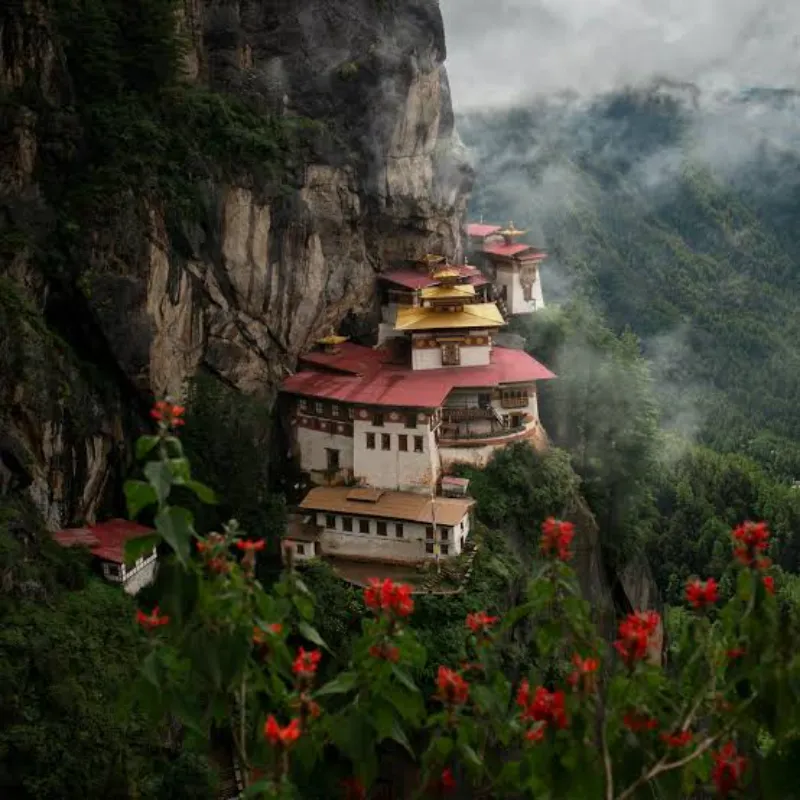
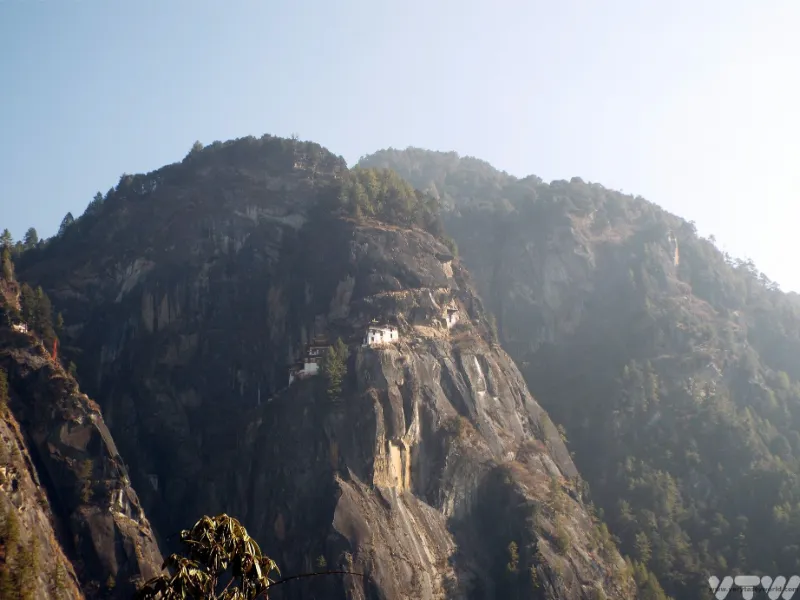
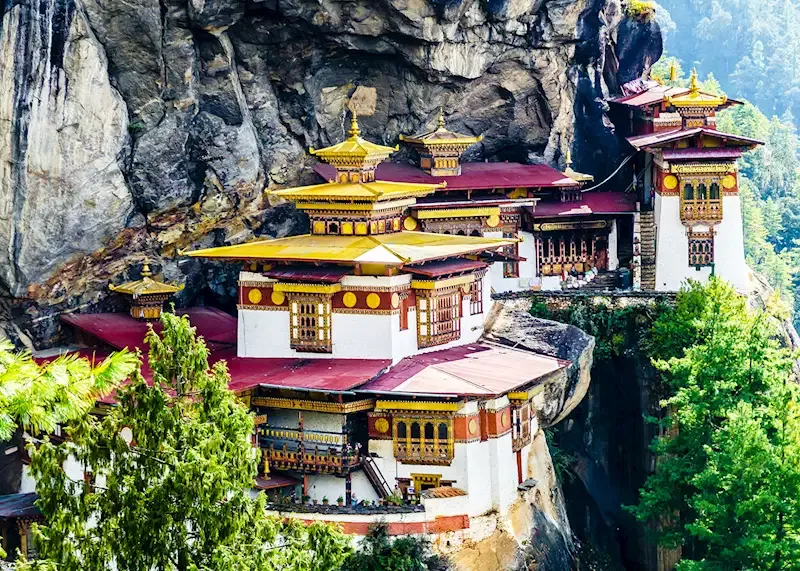
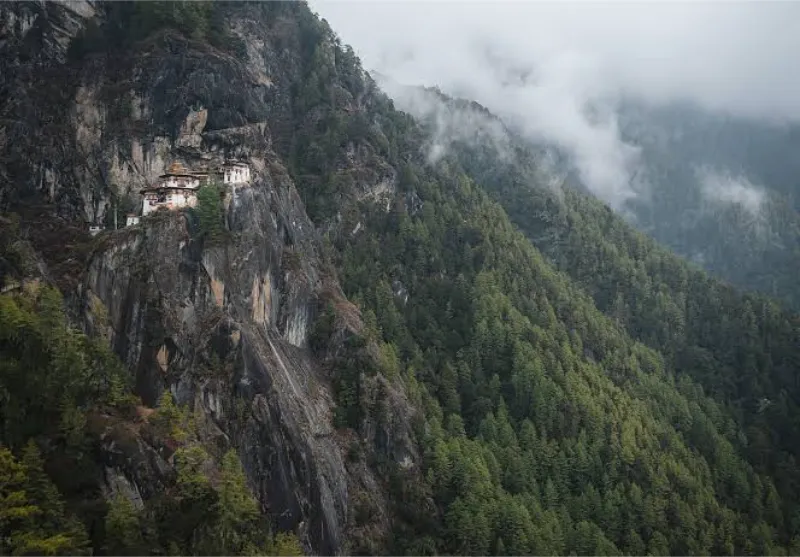
Hanging dramatically onto a steep granite cliff 900 meters above the lush green Paro Valley, Paro Taktsang is undoubtedly the ultimate spiritual and architectural masterpiece of Bhutan. Local legends say that in the 8th century, Guru Rinpoche (Padmasambhava) flew to this incredible cave on the back of a flying tigress to defeat evil spirits and establish Vajrayana Buddhism through deep meditation.

The journey up to this cliffside temple involves a challenging hike through quiet blue pine forests, decorated with bright prayer flags and the soothing sounds of water-powered prayer wheels. The monastery itself is an amazing feat of building, with linked shrines, holy caves, and steep stairs hanging over misty drops.

Things to do

  • Trekking to monastery
  • Challenging hike
  • Taking photos
  • Meditation
  • Experiencing culture

Highlights

Holy MonasteryCliffside MarvelPadmasambhavaSpiritual HikePhoto SpotMountain Elevation
Explore Paro Taktsang (Tiger's Nest) journeys
Place 02 Bhutan

Thimphu

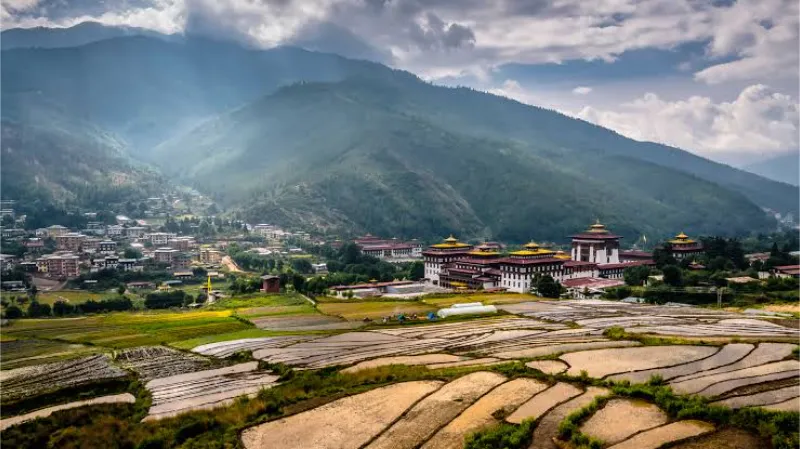
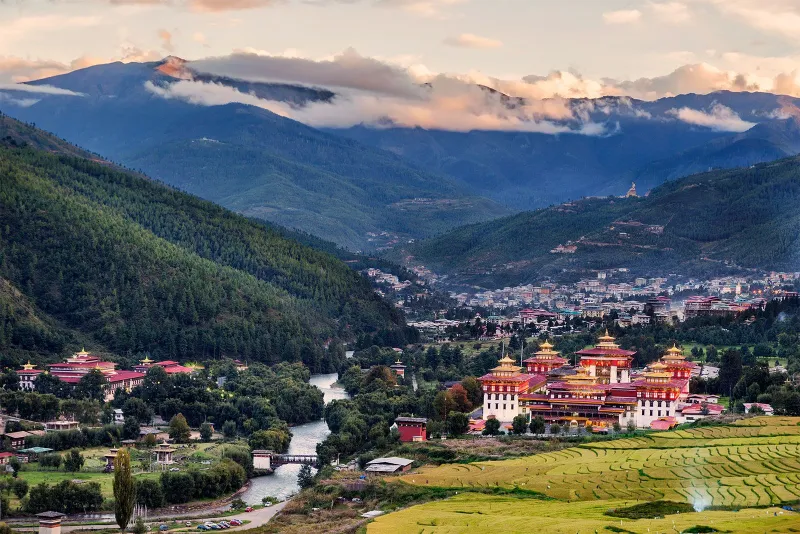
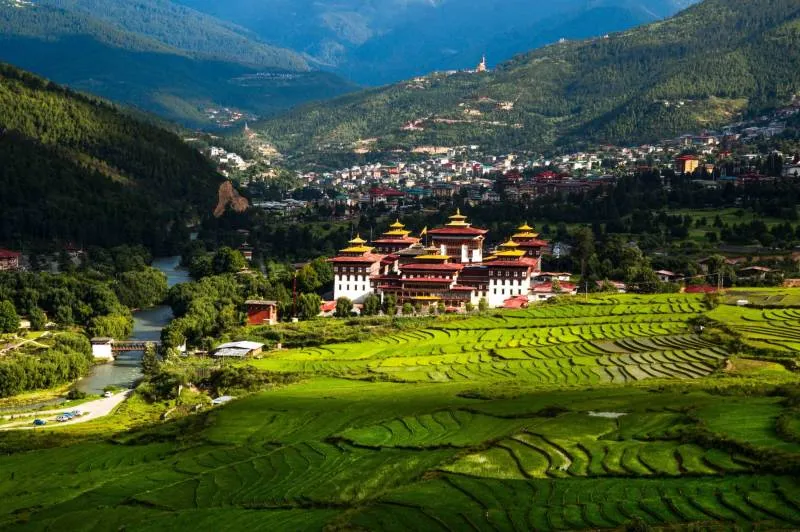
Spread out across a peaceful, tree-lined valley next to the Wang Chhu river, Thimphu is an interesting mix as both the official capital and the only real city in Bhutan. It is famous for being the only capital city in the world without a single traffic light; instead, traffic is smoothly directed by police officers performing graceful, traditional hand signals from decorated wooden booths.

The city perfectly balances modern life with ancient customs, centered around the massive Tashichho Dzong—which houses both the government and the central monastic body—and the giant, golden Buddha Dordenma statue that watches over the valley. Thimphu is also the center for Bhutanese arts and intellect, where traditional skills like weaving, painting, and sculpting are carefully kept alive.

Things to do

  • Touring the Dzong
  • Visiting craft schools
  • Watching archery
  • Eating local food
  • City tours

Highlights

Nation's CapitalTashichho FortressGiant BuddhaLocal HandicraftsCultural CenterHimalayan City
Explore Thimphu journeys

Place 03 Bhutan

Punakha Dzong

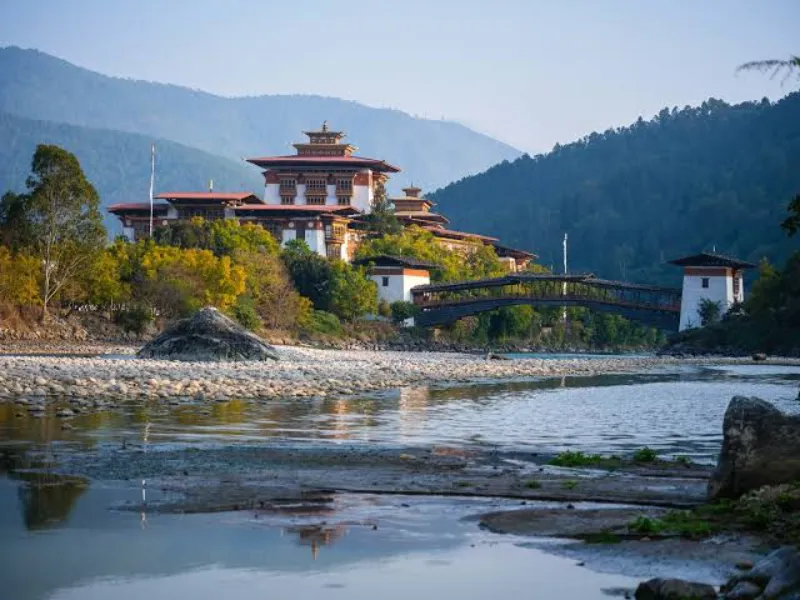
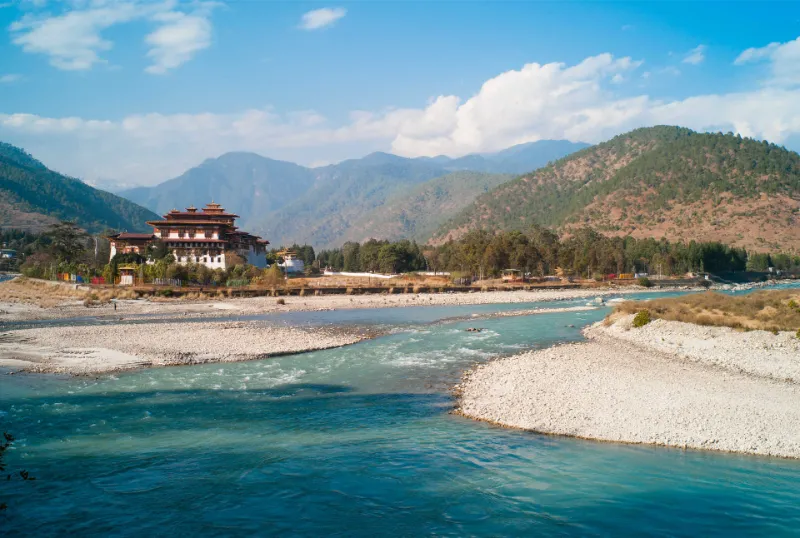
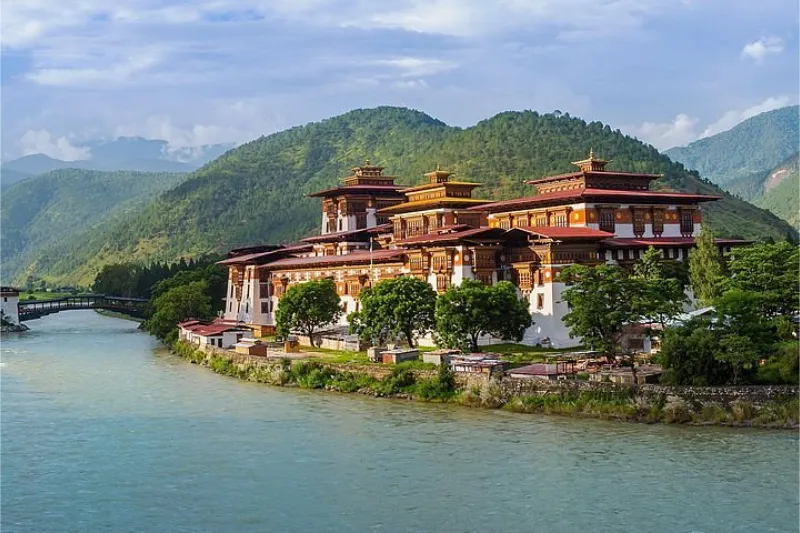
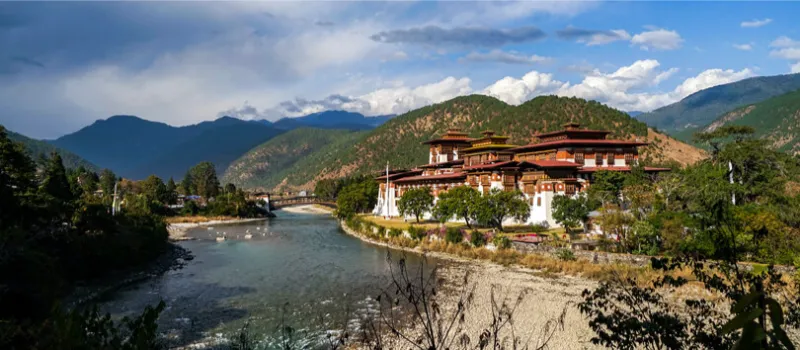
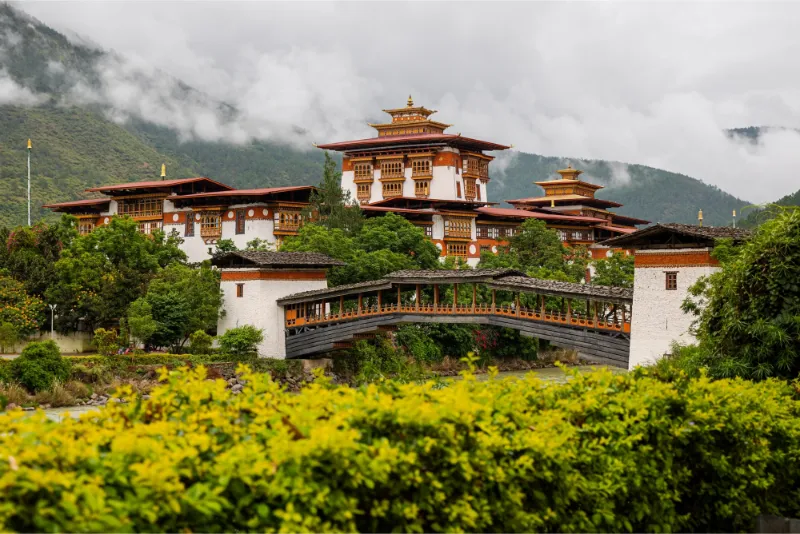
Often called the 'Palace of Great Happiness,' Punakha Dzong is widely considered the most beautiful and historically important fortress-monastery in all of Bhutan. Grandly located right where the clear waters of the Pho Chhu (father) and Mo Chhu (mother) rivers meet, this massive architectural wonder was the kingdom's capital until the middle of the 20th century.

Enjoying a warm and pleasant subtropical climate, the dzong is famous for the stunning view of its bright white walls framed by blooming purple jacaranda trees in the spring. Inside, you can explore huge, beautifully carved courtyards, golden paintings of Buddhist stories, and the sacred Machen Lhakhang, which holds the preserved body of Zhabdrung Ngawang Namgyal, the man who unified Bhutan.

Things to do

  • Exploring architecture
  • Crossing suspension bridges
  • Photography by the river
  • Learning history
  • Rafting adventures

Highlights

Monastery FortressRiver Meeting PointOld CapitalJacaranda TreesStunning DesignHoly Relics
Explore Punakha Dzong journeys

Place 04 Bhutan

Phobjikha Valley (Gangtey)

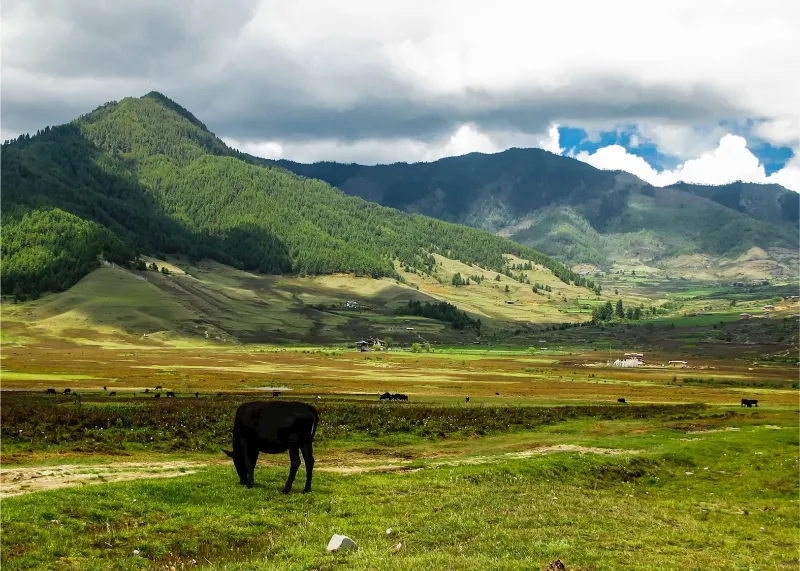
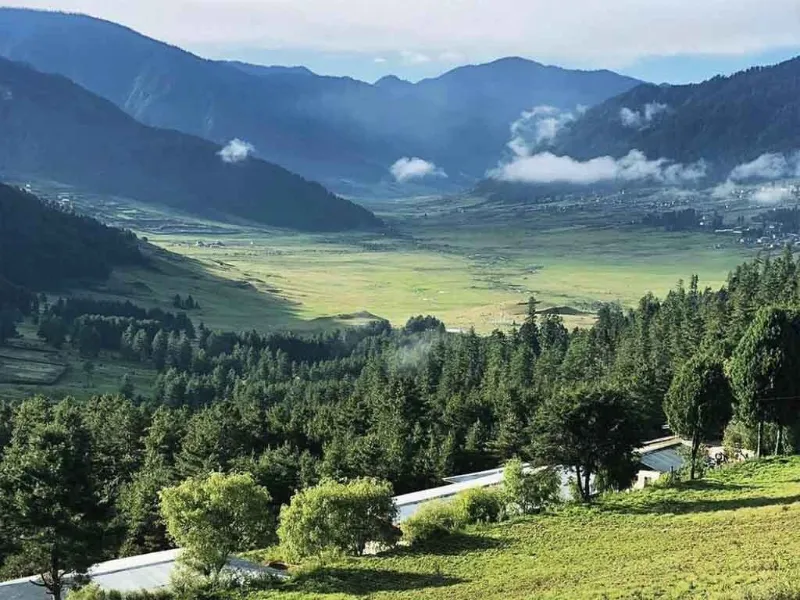
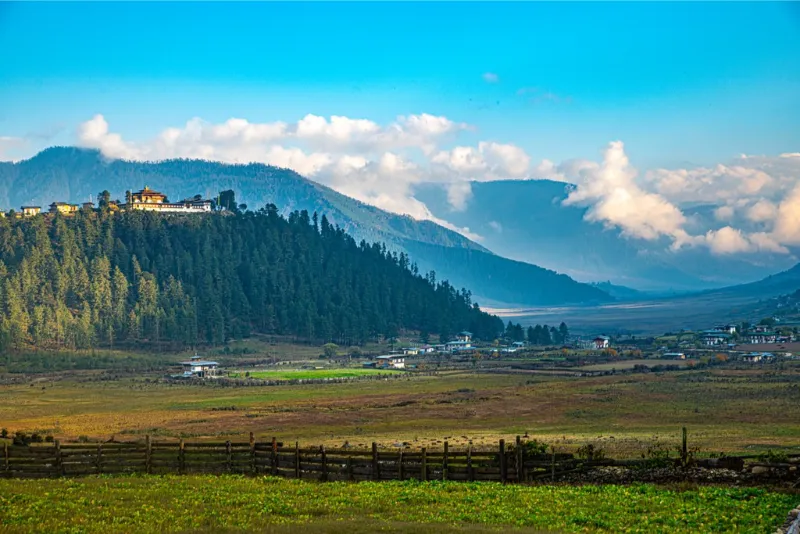
The Phobjikha Valley is a stunning, wide glacial valley carved into the western sides of the Black Mountains. To protect the flight paths of the birds, there are no overhead power lines here, making this untouched sanctuary famous worldwide as the winter home for the rare and sacred Black-necked Cranes that migrate from the high Tibetan Plateau every year.

Sitting on a wooded hill that looks out over the wide valley is the respected 17th-century Gangtey Monastery, a major center for the Nyingma Buddhist tradition. The area offers a magical, peaceful landscape filled with dwarf bamboo, winding streams, and fresh mountain air, creating a perfect and spotless setting for gentle nature walks.

Things to do

  • Walking nature paths
  • Watching birds
  • Touring the monastery
  • Photographing scenery
  • Visiting eco-villages

Highlights

Glacier ValleySacred CranesGangtey TempleEco-TravelMountain NatureProtected Wildlife
Explore Phobjikha Valley (Gangtey) journeys

Place 05 Bhutan

Dochula Pass

Located on the main mountain road between Thimphu and Punakha at a height of 3,100 meters, Dochula Pass offers incredible, high-altitude views. The top of the pass is decorated with the stunning Druk Wangyal Chortens—a magnificent collection of 108 memorial stupas built to honor the bravery of Bhutanese soldiers.

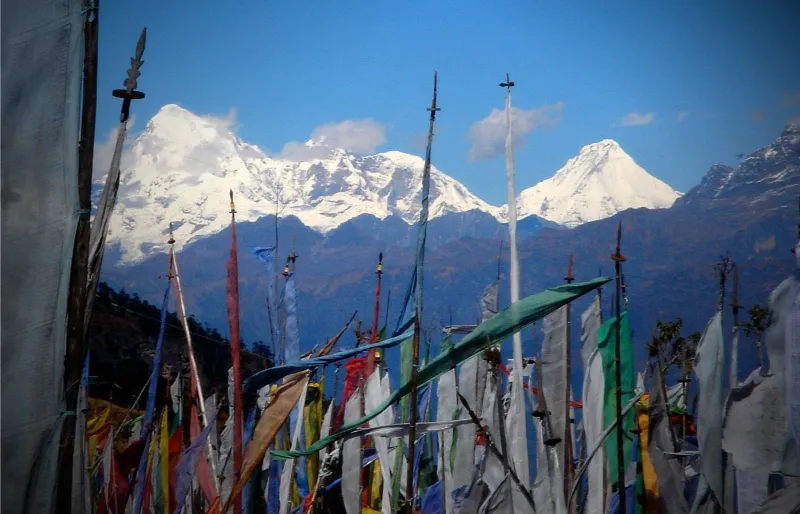
On clear mornings in autumn and winter, the pass provides a massive, uninterrupted 360-degree view of the snow-covered Eastern Himalayas, including the holy peak of Masanggang and Gangkhar Puensum. Whether wrapped in mystical fog or shining in bright sunlight, Dochula is a truly unforgettable mix of religious art and dramatic mountain geography.

Things to do

  • Enjoying mountain views
  • Walking around stupas
  • Taking photos
  • Visiting botanical gardens

Highlights

High Mountain Pass108 MemorialsViews of HimalayasSacred StupasTaking PicturesBeautiful Panoramas
Explore Dochula Pass journeys

Place 06 Bhutan

Bumthang Valley

Known everywhere as the spiritual center of Bhutan, the Bumthang area is made up of four linked, high-altitude valleys: Chokhor, Tang, Ura, and Chumey. This peaceful, rolling landscape is steeped in the stories of great Buddhist masters and is home to some of the oldest temples in the Himalayas, like the 7th-century Jambay Lhakhang and the sacred Kurjey Lhakhang.

Bumthang is also famous for its unique farming traditions, featuring rolling fields of buckwheat, apple farms, Swiss cheese makers, and the creation of beautiful, hand-woven 'Yathra' wool fabrics. Its quiet, old-world charm provides a deep dive into ancient Himalayan religious and village life.

Things to do

  • Visiting ancient temples
  • Exploring weaving shops
  • Hiking the valley
  • Trying local foods
  • Photography

Highlights

Center of SpiritualityOld TemplesTraditional WeavingRolling ValleysHoly LocationsCultural Traditions
Explore Bumthang Valley journeys

Place 07 Bhutan

Haa Valley

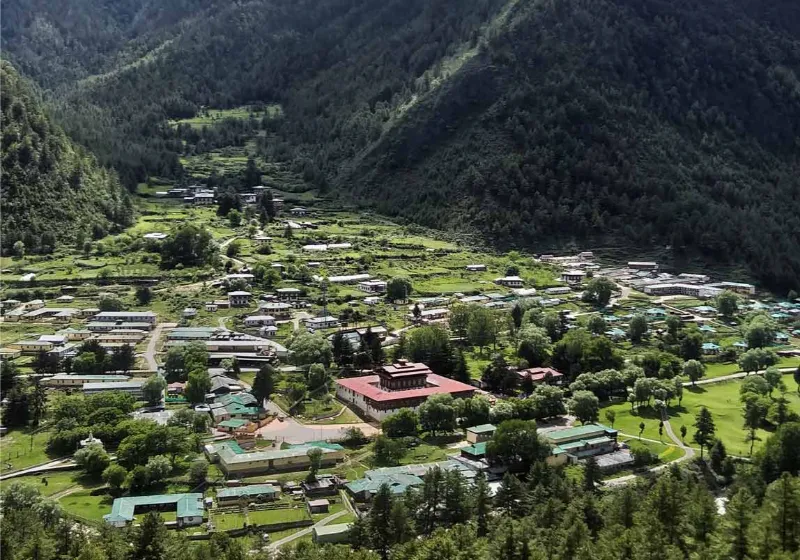
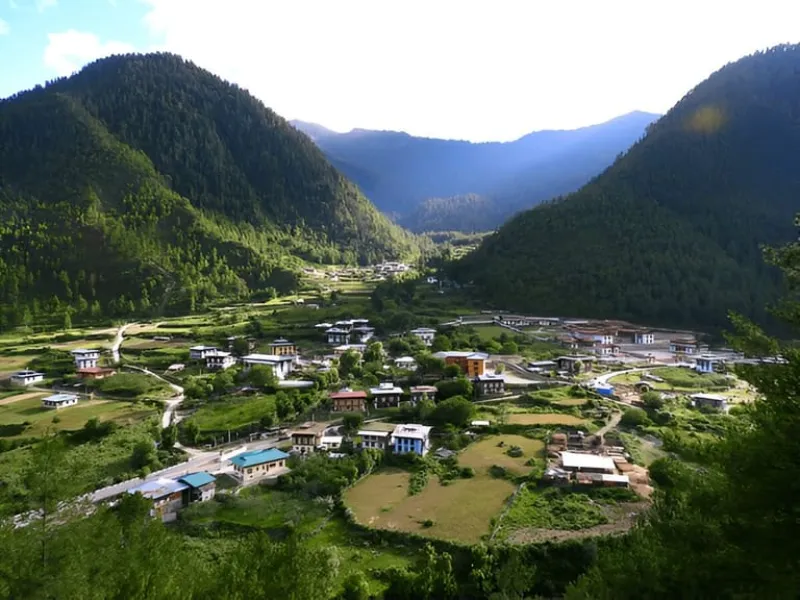
Opened to foreign travelers relatively recently, the untouched Haa Valley is one of the most hidden and traditionally preserved areas in western Bhutan. Watched over by three tall, sacred hills called Meri Puensum (The Three Brother Hills), this steep mountain valley is rich with ancient nature-worship practices and local myths that existed before Buddhism arrived.

At the bottom of the valley sit the respected Lhakhang Karpo (White Temple) and Lhakhang Nagpo (Black Temple), which are said to have been built at the same time in the 7th century by the Tibetan King Songtsen Gampo. With its pure, rustic villages, wide mountain pastures, and lack of heavy tourist crowds, Haa is a perfect getaway for quiet, off-the-beaten-path travelers.

Things to do

  • Walking through villages
  • Day hiking in mountains
  • Visiting temples
  • Learning about culture
  • Taking nature photos

Highlights

Hidden ValleyOld ShrinesUntouched MountainsAncient BeliefsRemote TravelNatural Beauty
Explore Haa Valley journeys

Place 08 Bhutan

Chele La Pass

Sitting at a height of about 3,988 meters, Chele La Pass is famous for being the highest road pass you can drive over in all of Bhutan. Cutting a vital path between the lush Paro Valley and the hidden Haa Valley, the pass is surrounded by wide open alpine plains and thick woods of short rhododendron trees.

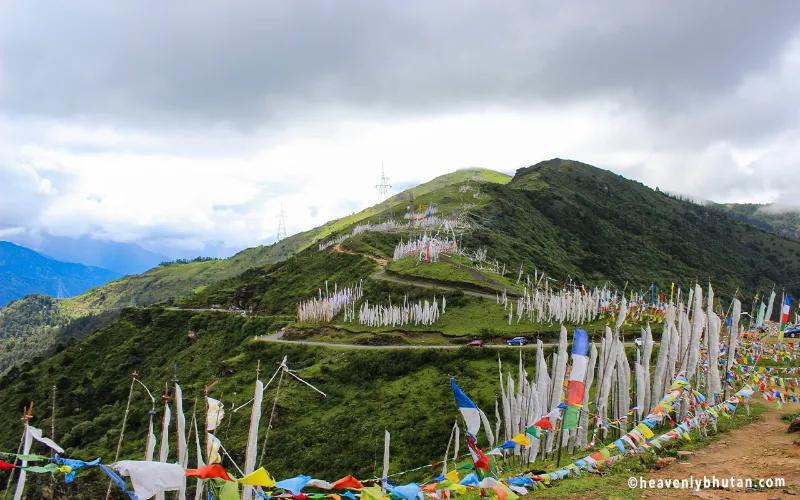
The top of the pass is a dramatic, windy spot, covered with thousands of white prayer flags (Manidhar) waving in the breeze to honor people who have passed away. On clear days, visitors are treated to incredible, clear views of Mount Jomolhari (7,314m)—known as Bhutan's sacred 'Bride of the Kangchenjunga'—along with the jagged, icy peaks that surround it.

Things to do

  • Enjoying high views
  • Spotting Mount Jomolhari
  • Hiking the ridge
  • Taking photos
  • Looking for birds

Highlights

Highest Road PassWhite Prayer FlagsViews of JomolhariRhododendron WoodsExtreme AltitudeTaking Pictures
Explore Chele La Pass journeys

Place 09 Bhutan

Paro International Airport

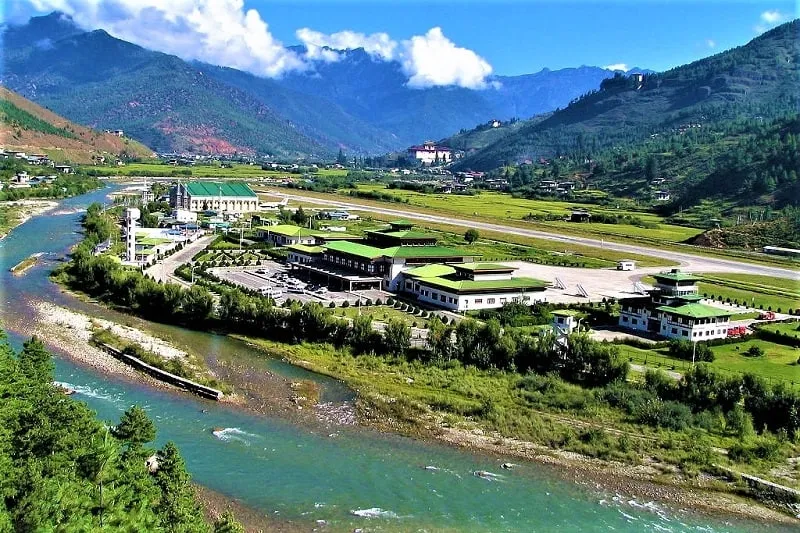
Paro International Airport serves as the only international entry point to the kingdom and boasts one of the most thrilling and scenic flight approaches anywhere in the world. Located between steep Himalayan mountains, it gives travelers an amazing first look at Bhutan's incredible mountain landscapes before their trip even officially starts.

The airport acts as a meaningful doorway into the country, marking the moment visitors leave behind busy regional travel and step into the calm, unhurried pace of life in Bhutan. Because of its stunning mountain location and modern facilities, it is both a practical travel hub and a truly unforgettable way to arrive.

Things to do

  • Flying into Bhutan
  • Checking out the airport
  • Taking photos
  • Enjoying the landing
  • Planning trips

Highlights

Entry to BhutanValley of ParoHigh Altitude AirportArrival JourneyBeautiful FlightLogistics
Explore Paro International Airport journeys

Place 10 Bhutan

Phuentsholing

Phuentsholing is the main border town in southern Bhutan and the primary entry point for travelers driving into the kingdom from India. Located right at the base of the Himalayas, this bustling town mixes Bhutanese government functions with active border trade and holds a key spot next to the Jaigaon corridor.

The town acts as a stepping stone between the flat plains of India and the rising mountain valleys of Bhutan. It gives visitors a useful first look at the country's local customs, building styles, and landscapes before they head further up into Thimphu, Paro, and the rest of the kingdom.

Things to do

  • Crossing the border
  • Exploring the town
  • Experiencing the culture
  • Starting the road trip
  • Taking pictures

Highlights

Border CrossingSouth Entry PointInternational TradeBhutan CityTravel CenterGateway to Mountains
Explore Phuentsholing journeys

Place 11 Bhutan

Simply Bhutan

Simply Bhutan perfectly captures the heart of the kingdom's culture by offering a carefully designed, hands-on experience of its people, scenery, and ancient traditions. It acts as a creative showcase for Bhutan's core beliefs, deep history, and visual stories, offering much more than just a single tourist spot.

This attraction mirrors the complete Bhutanese experience—blending peaceful mountain environments, active traditions, warm hospitality, and a profound respect for spiritual history. It serves as an excellent, condensed summary of what it truly feels like to travel through the kingdom.

Things to do

  • Diving into culture
  • Taking pictures
  • Getting travel ideas
  • Hearing stories
  • Overview of the country

Highlights

Taste of BhutanLocal CultureBeautiful LandscapesNational HeritageTravel StoriesVisual Journey
Explore Simply Bhutan journeys

Make the most of your trip

Plan your visit

Practical pointers to help you choose when to go and how to get around.

When to go

From March to May

Also consider: From September to November

The absolute best times to explore Bhutan are during the beautiful spring awakening (March to May) and the clear, dry autumn months right after the monsoon (September to November). Spring covers the middle-elevation mountains in a stunning burst of wild rhododendrons, magnolias, and high-altitude flowers, and it also lines up perfectly with the famous Paro Tshechu festival.

Autumn provides unmatched clear skies, bright blue weather, and incredibly sharp, endless views of the snow-capped High Himalayas, along with the return of the rare Black-necked cranes to Phobjikha and the lively celebrations of the Thimphu Tshechu.

The winter months (December to February) bring brilliantly sunny days combined with sharp, freezing temperatures in the central valleys, though there are very few crowds. Meanwhile, the monsoon season (June to August) brings heavy, soaking rains, thick clouds, and an increased chance of landslides on the mountain highways.

Weather & altitude

Ranges from about -5°C to 26°C

Elevation: Ranges from 150 meters to 7,570 meters meters above sea level

The climate shifts dramatically depending on how high up you are. The southern border towns stay warm and tropical or subtropical all year long, while the main valleys in the center of the country (like Paro, Thimphu, and Bumthang) have mild summers and chilly, dry winters. The very high mountain areas stay freezing cold like the arctic all year.

Bhutan has one of the most extreme shifts in elevation anywhere in the world, starting from the warm, subtropical foothills in the south along the Indian border and soaring all the way up to the freezing, ice-covered peak of Gangkhar Puensum (7,570m)—which is the highest unclimbed mountain on earth.

Season by season

Springtime March through May Roughly 12°C to 23°C

Spring delivers pleasantly warm weather, bright, blooming flowers across the mountain passes, and the absolute best conditions for trekking. It is also the main time of year to experience the largest Buddhist monastic festivals.

Monsoon Time June through August Roughly 16°C to 26°C

The southwest monsoon brings intense, heavy rain showers and thick fog to the southern hills and high mountain passes, turning the valleys incredibly green, though it can sometimes disrupt flights and driving routes.

Autumn Season September through November Roughly 10°C to 20°C

Autumn is widely considered the golden time to visit Bhutan, known for its dry days, perfectly clear mountain views, beautiful golden rice fields ready for harvest, and major religious festivals.

Winter Season December through February Roughly -3°C to 14°C

Winter brings bright, sunny days that turn very cold at night, often dropping below freezing. Snow occasionally covers the higher passes like Dochula and Chele La, creating breathtaking, pure white mountain scenery.

Getting there

How to reach Bhutan

Flying In

Paro International Airport (PBH) is the only place to fly internationally into the country, and it is famous for its thrilling, highly visual landing between massive 5,500-meter mountains.

The country's own airlines, Drukair and Bhutan Airlines, run regular international flights that connect Paro to major nearby cities like New Delhi, Kolkata, Bagdogra, Guwahati, Kathmandu, Bangkok, and Singapore.

Taking the Train

Even though Bhutan does not have its own train system inside the country, you can get close by using the Indian railway stations located just across the border in West Bengal and Assam.

Hasimara Railway Station (which is about 18 km from the border town of Phuentsholing) and New Alipurduar or New Jalpaiguri (NJP) are the main train stations used by travelers who plan to drive into Bhutan.

Driving In

You can drive into Bhutan through specific, official border crossing points. The main and most heavily used gateway for cars and buses is the southern town of Phuentsholing (which you reach from Jaigaon, West Bengal).

Other places to drive in include Gelephu in the south-central part of the country and Samdrup Jongkhar in the southeast (which you reach from Guwahati, Assam). Once you cross the border, you will find well-kept mountain highways that wind their way up to Thimphu and Paro.

Make it your own

Bhutan journeys

Explore thoughtfully planned trips, or ask our team to tailor an itinerary around your interests.

Browse all packages

Travel with local insight

Let’s plan your Bhutan escape.

Tell us what inspires you and we’ll help shape a journey at your pace.

Talk to a travel expert