
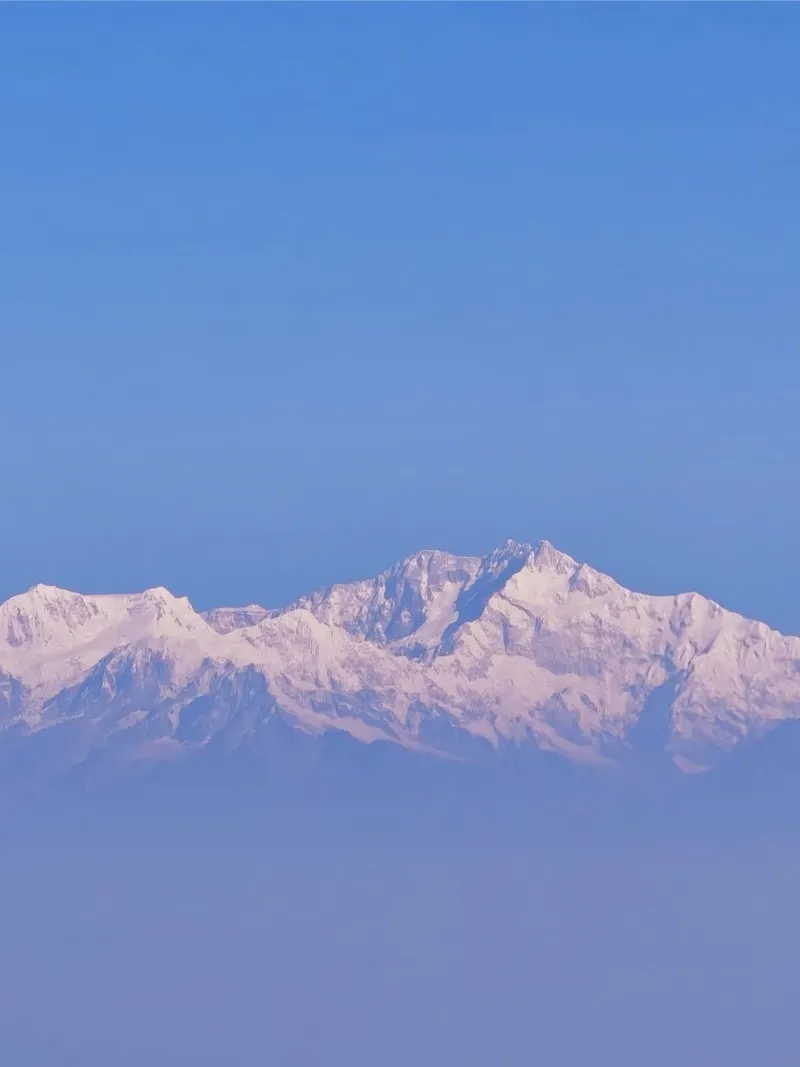
Darjeeling landscape

Your destination guide

Darjeeling

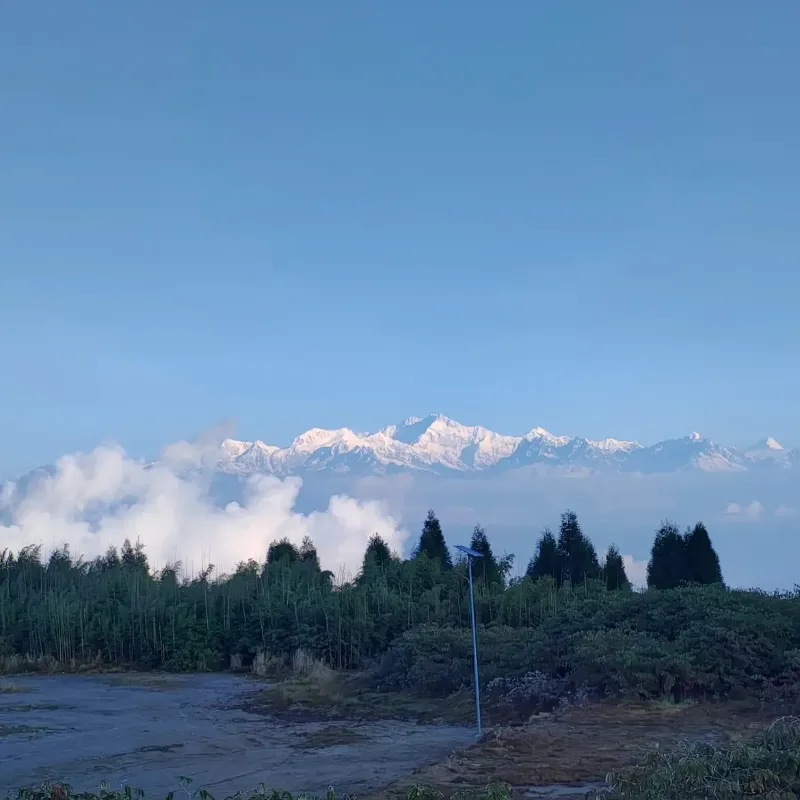
Nestled high in the steep slopes of West Bengal's Lesser Himalayas, Darjeeling is affectionately known as the 'Queen of the Hills'. This famous highland retreat is a stunning mix of rolling green tea gardens, beautiful colonial-era buildings, and constant, sweeping views of the mighty Kanchenjunga mountain range. It stands as a world-class destination that perfectly blends British colonial history, deep Tibetan-Buddhist traditions, and the proud heritage of the local Gorkha people.

Lesser Himalaya Range Queen of the Hills Tea Plantations Colonial History Kanchenjunga Sightseeing UNESCO Heritage Site Alpine Railway Natural Beauty Cultural Exploration Mountain Retreat

A sense of place

Discover Darjeeling

Nestled high in the steep slopes of West Bengal's Lesser Himalayas, Darjeeling is affectionately known as the 'Queen of the Hills'. This famous highland retreat is a stunning mix of rolling green tea gardens, beautiful colonial-era buildings, and constant, sweeping views of the mighty Kanchenjunga mountain range. It stands as a world-class destination that perfectly blends British colonial history, deep Tibetan-Buddhist traditions, and the proud heritage of the local Gorkha people.

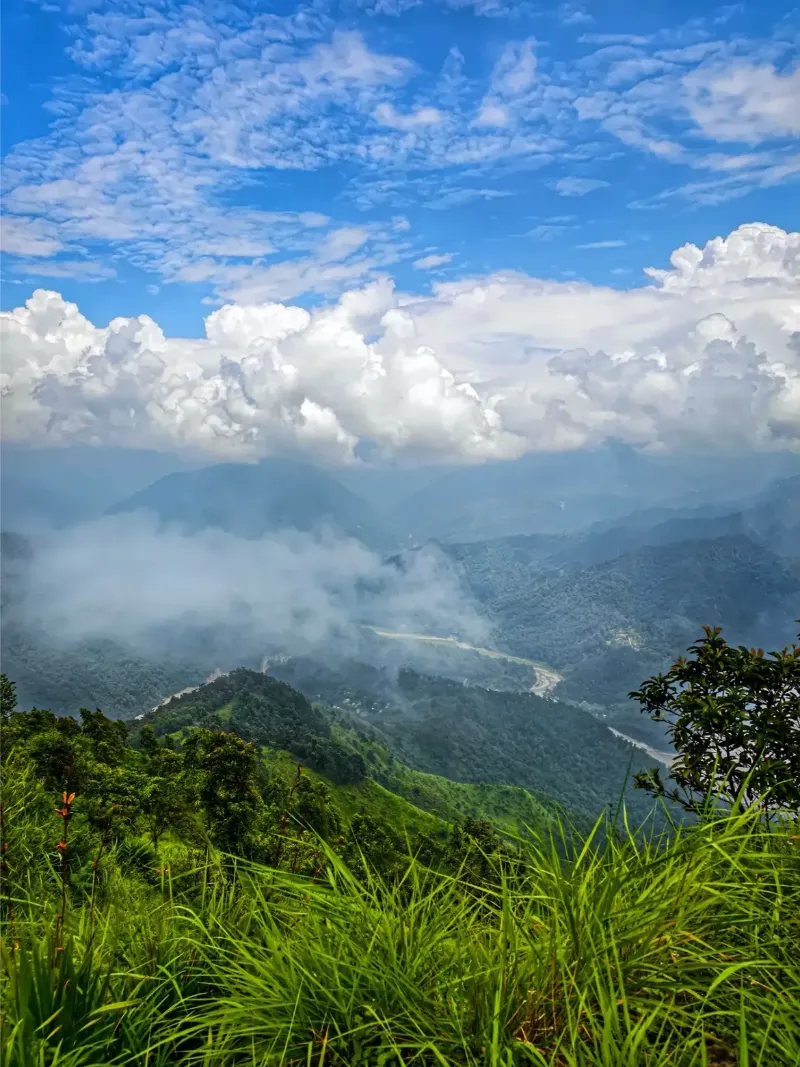
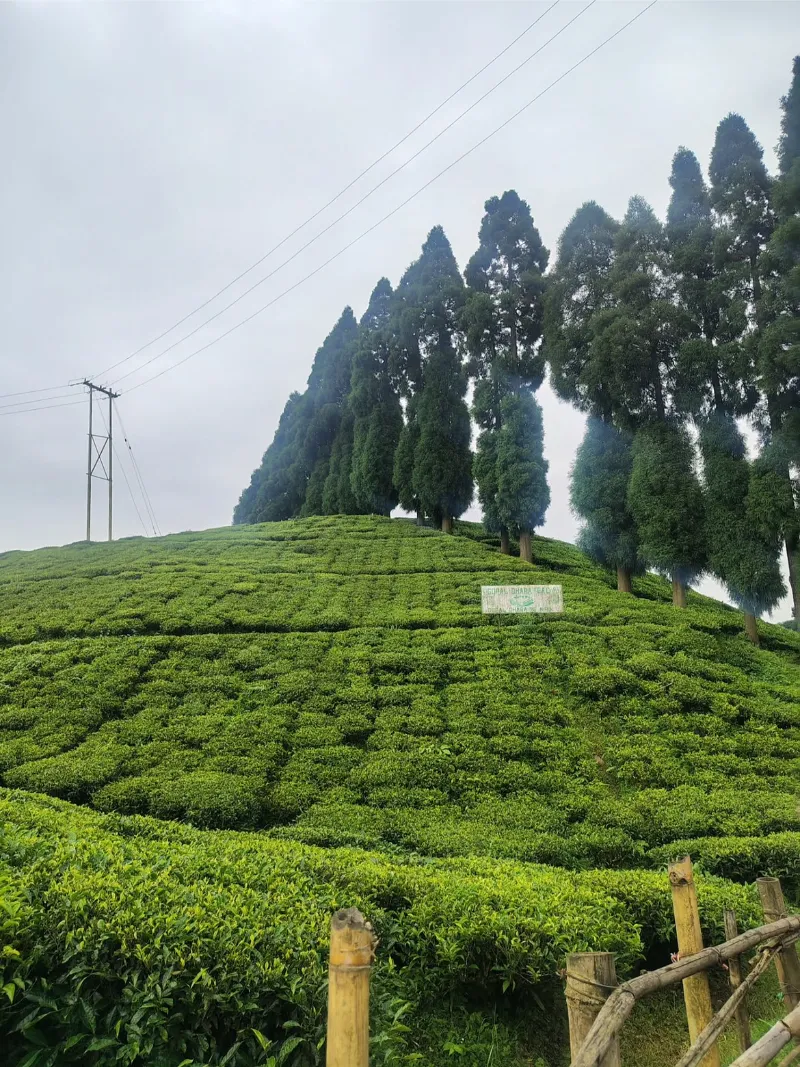
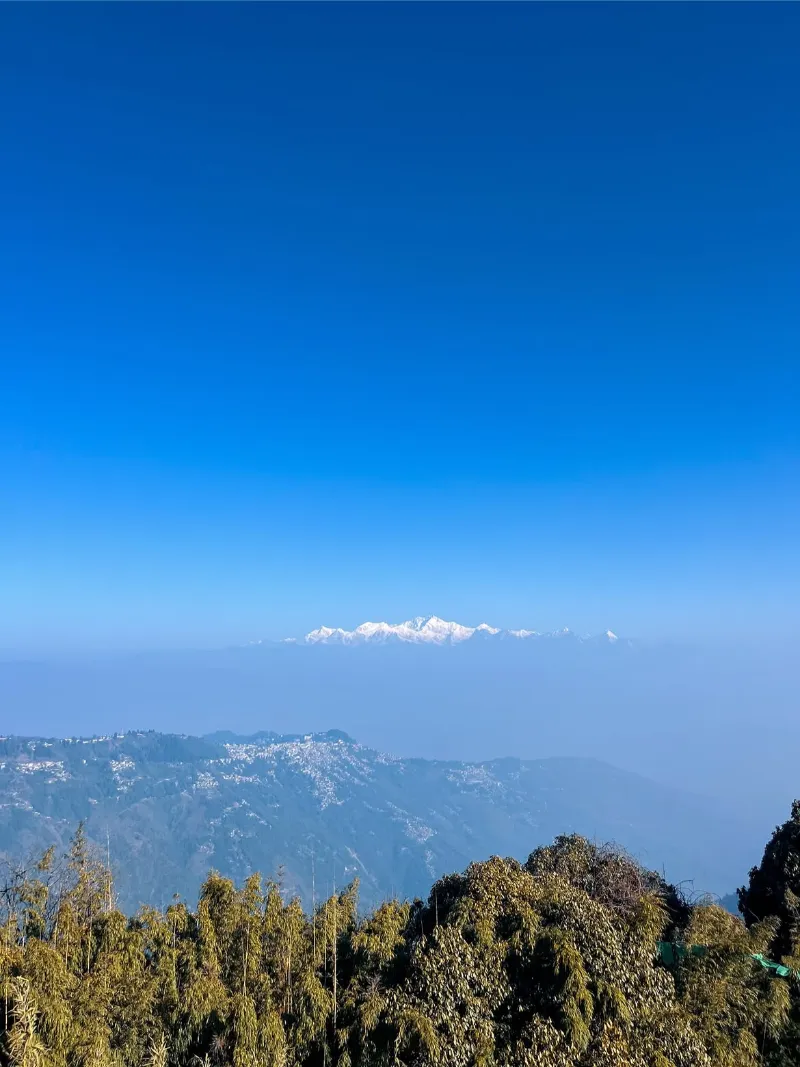
The landscape is defined by dramatic, terraced hillsides covered in the world-famous Camellia sinensis tea plants. Winding mountain roads and the historic narrow-gauge tracks of the Darjeeling Himalayan Railway weave through these steep slopes. Because of its high altitude, the town enjoys a comfortably cool climate, making it a perfect escape from the heat of the lower plains while treating visitors to magical views of foggy valleys and bright blue skies.

This hill station is an absolute paradise for nature lovers, history buffs, and culture seekers who are fascinated by traditional tea farming, vintage train engineering, mountain wildlife, and unique local customs. With its lasting romantic charm and lively, pedestrian-friendly streets, Darjeeling remains a truly unforgettable highlight of any Himalayan journey.

Places worth the journey

Explore Darjeeling

From well-loved landmarks to quieter corners, find the places that make this destination unique.

8 places

Place 01 Darjeeling

Tiger Hill

Standing as the highest point in the Darjeeling area, Tiger Hill reaches an impressive altitude of about 2,590 meters. It serves as a breathtaking natural stage for the sunrise, drawing large crowds of travelers and nature lovers who gather to watch the dawn break over the mountains.

As the first rays of morning light cut through the dark, they paint the snow-capped peaks of Kanchenjunga in a spectacular range of colors. On very clear mornings, visitors can even spot the distant peak of Mount Everest, making this glowing, fleeting sunrise an absolute must-see for anyone who appreciates natural wonders.

Things to do

  • Watching the sunrise
  • Capturing landscapes
  • Viewing mountain peaks
  • Early morning trips

Highlights

Sunrise PointKanchenjunga PeakMount Everest SightseeingHigh ElevationNature PhotographyNatural Spectacle
Explore Tiger Hill journeys

Place 02 Darjeeling

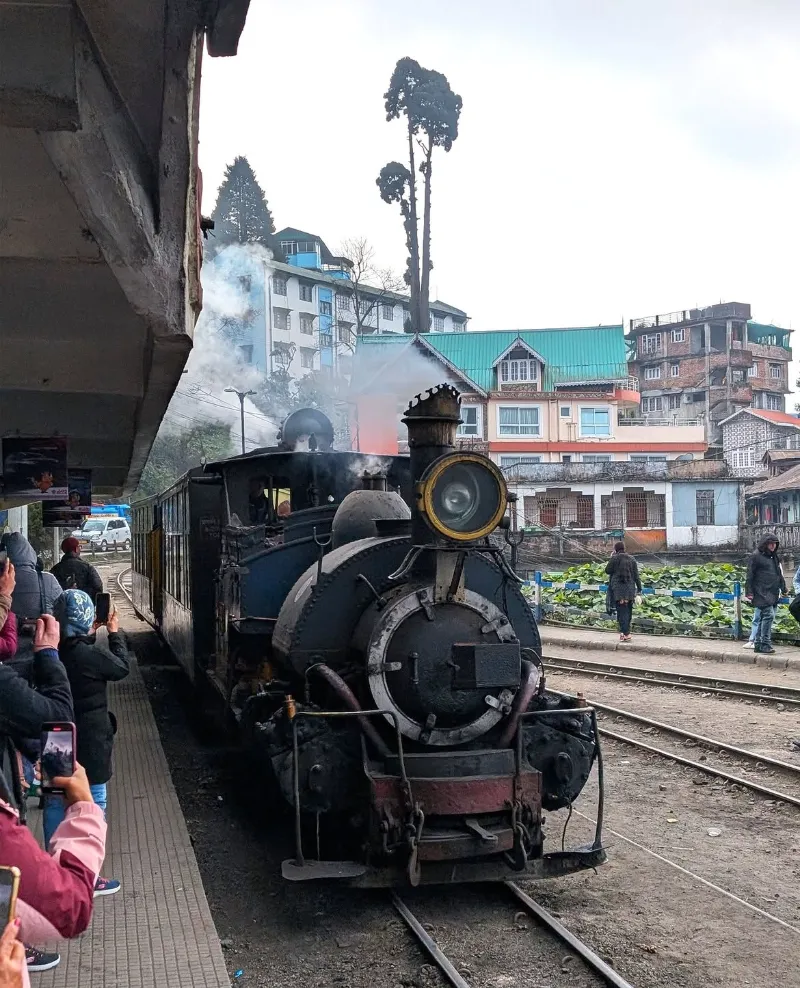
Darjeeling Himalayan Railway (Toy Train)

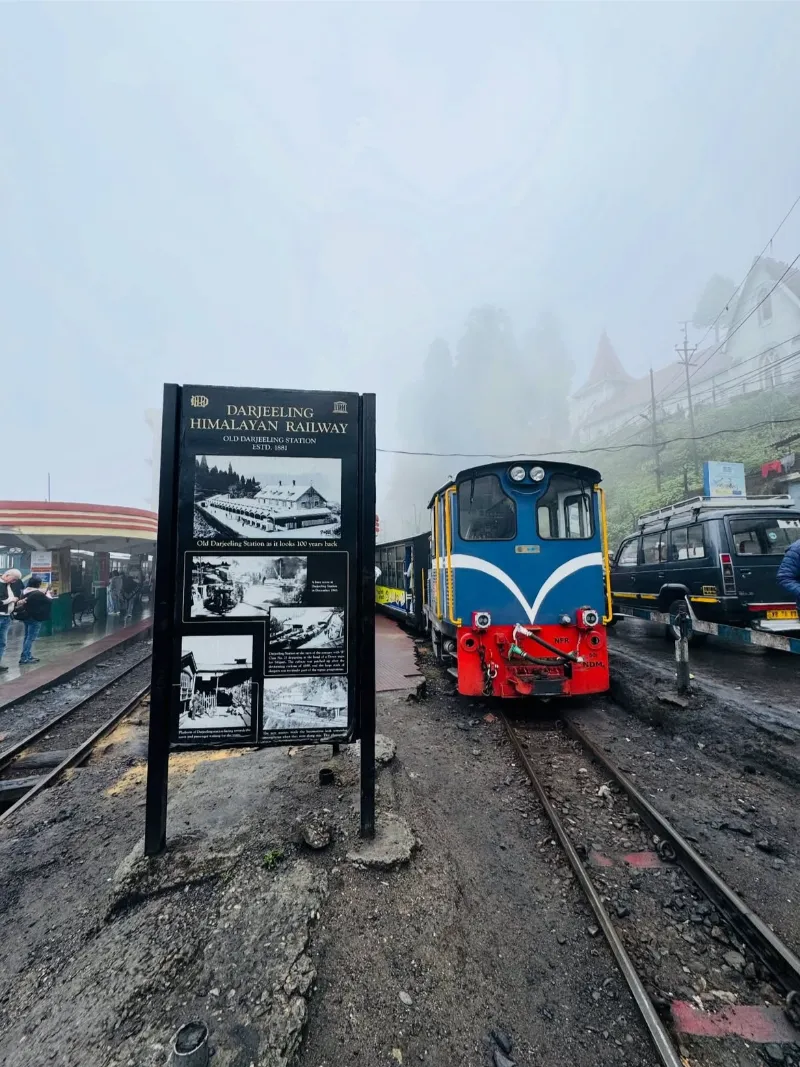
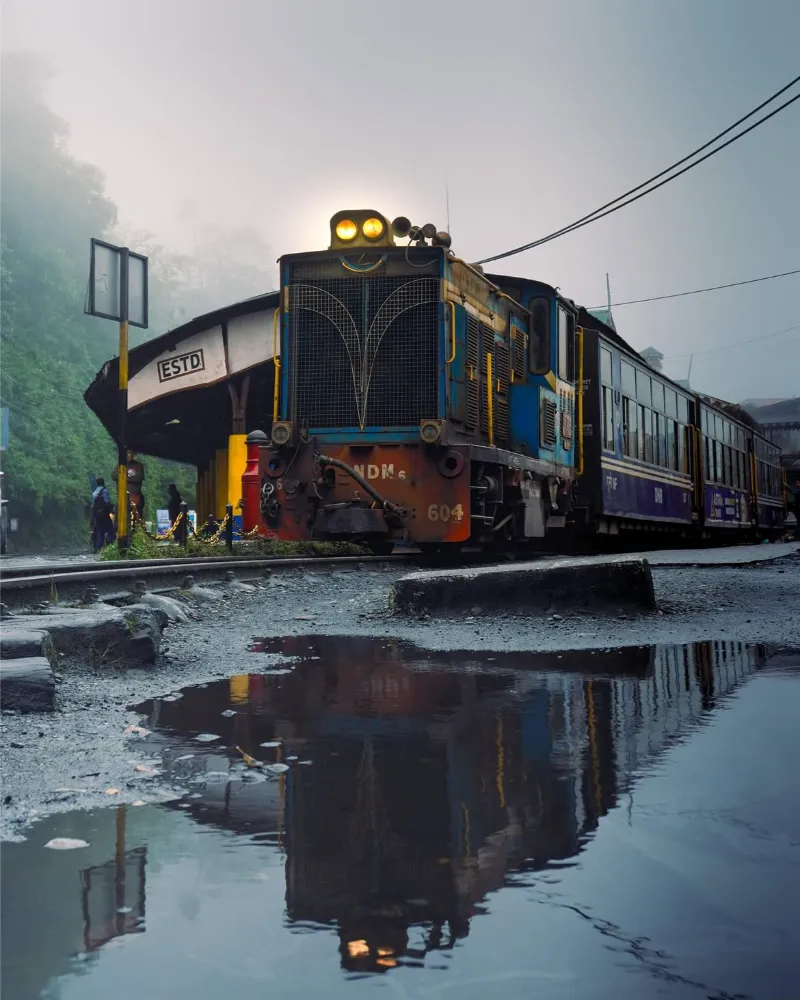
Proudly recognized as a UNESCO World Heritage site, the Darjeeling Himalayan Railway is a brilliant display of 19th-century mechanical engineering. This charming, narrow-gauge train makes a winding, challenging climb from the lowlands of New Jalpaiguri all the way up to the heights of Darjeeling.

Known affectionately as the 'Toy Train,' it features classic steam engines and a rhythmic chug that gives passengers a deeply nostalgic ride. The slow journey winds through busy local markets, lush green forests, and incredibly steep mountain curves, offering an immersive trip back into the golden age of colonial rail travel.

Things to do

  • Heritage train journey
  • Travel photography
  • Exploring railway history
  • Joyride experience to Ghum

Highlights

UNESCO Heritage MonumentVintage RailwayColonial Era TrainThe Toy TrainScenic Train RideCultural Attraction
Explore Darjeeling Himalayan Railway (Toy Train) journeys

Place 03 Darjeeling

Batasia Loop

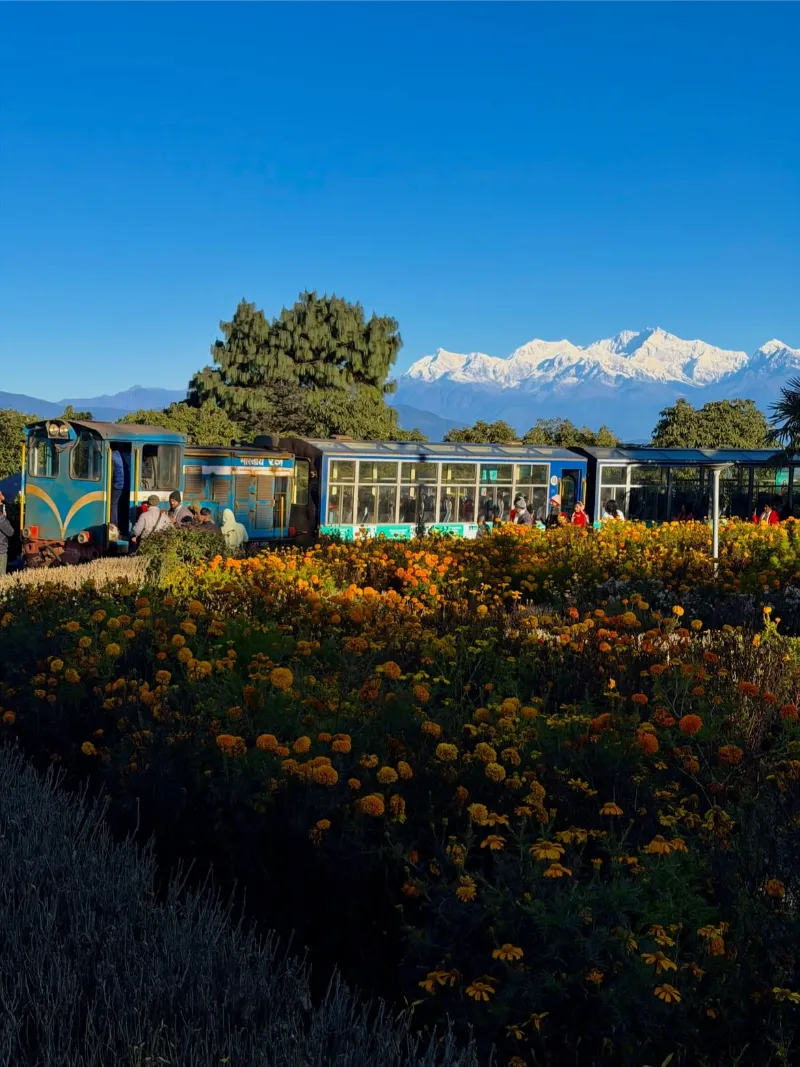
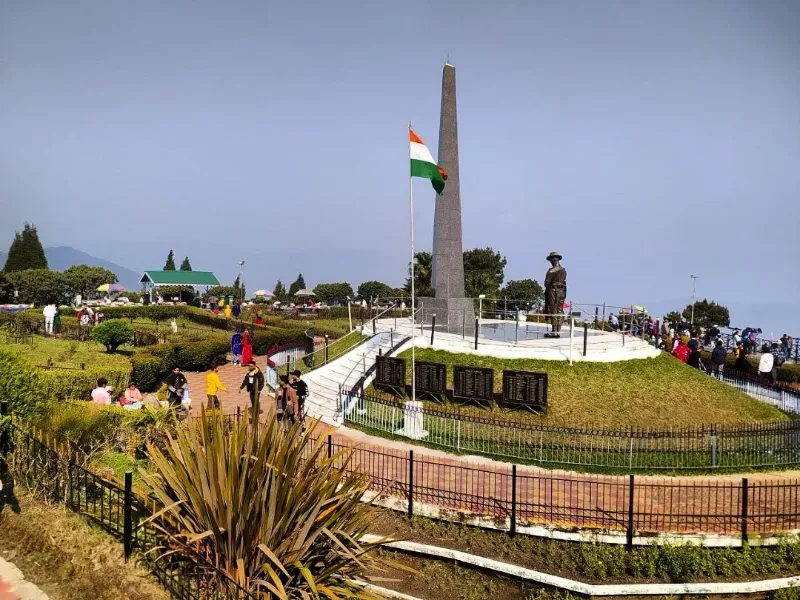
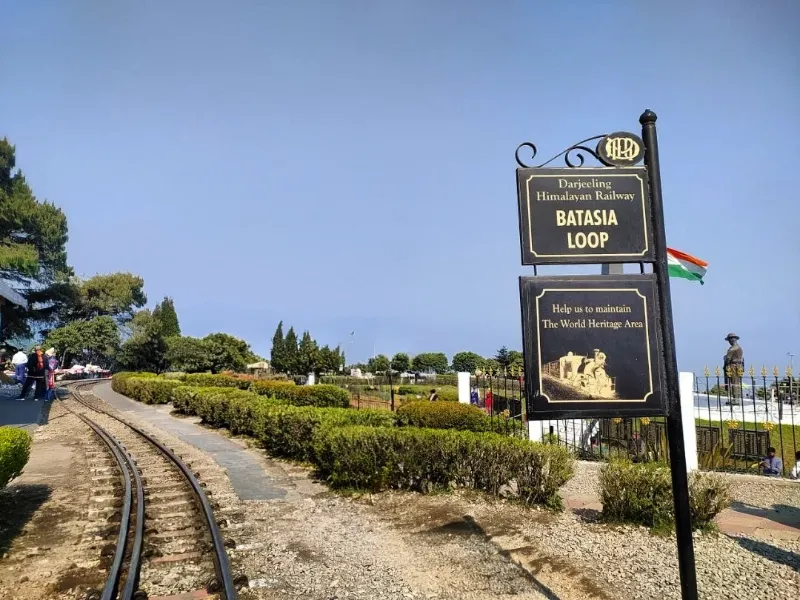
Batasia Loop is a brilliant piece of engineering designed to help the Darjeeling Himalayan Railway handle a massive, steep drop in elevation. At this location, the train tracks make a striking 360-degree loop, creating a beautiful scene as the locomotive winds through perfectly manicured flower gardens.

Right in the center of this circular track stands a solemn war memorial, dedicated to the brave Gorkha soldiers who lost their lives in various global conflicts. The wide, open layout of the loop also offers visitors sweeping, completely unobstructed views of Darjeeling town and the towering Kanchenjunga mountain range.

Things to do

  • Sightseeing tours
  • Taking photographs
  • Visiting the memorial
  • Strolling through gardens
  • Viewing the Himalayas

Highlights

Railway LoopGorkha War MemorialUnobstructed ViewsManicured GardensScenic PhotographyHistoric Landmark
Explore Batasia Loop journeys

Place 04 Darjeeling

Happy Valley Tea Estate

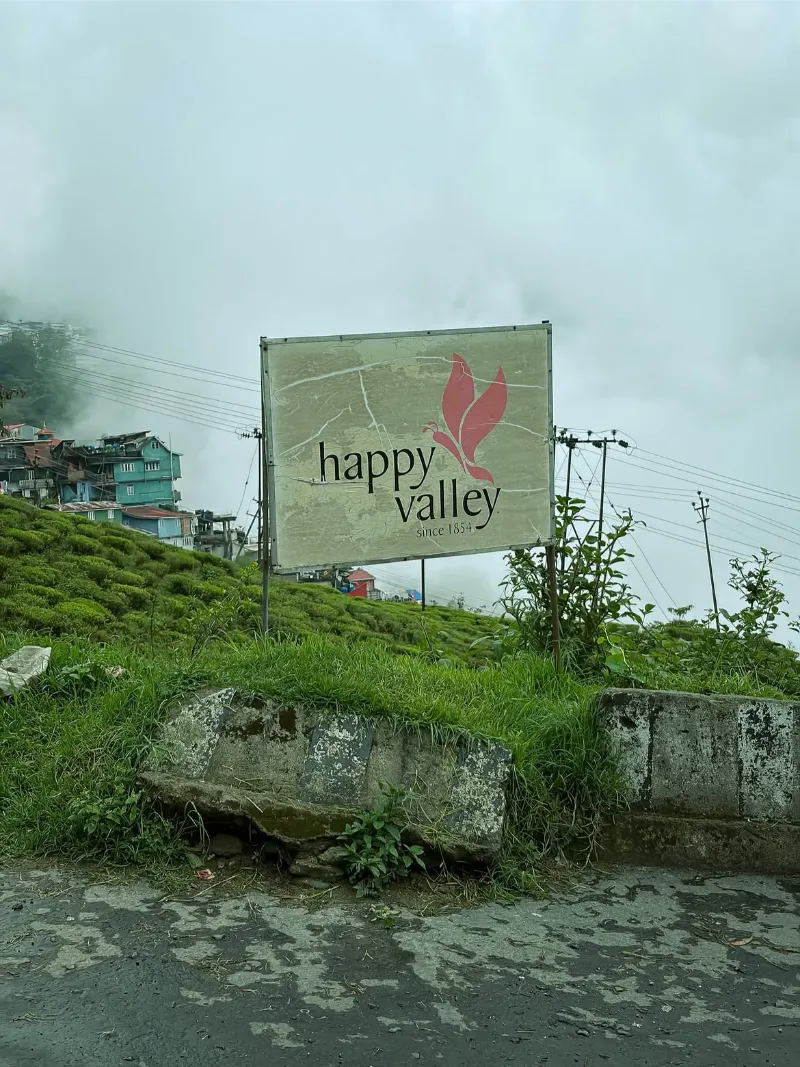
Stretching across the rolling hills just outside the town center, the Happy Valley Tea Estate is a historic plantation dedicated to growing some of the finest traditional teas in the world. Established back in the mid-1800s, it is a living symbol of Darjeeling’s rich farming and economic history.

Guests can take guided walking tours through the lush, carefully pruned tea bushes, followed by a fascinating look inside the active processing factory to smell and taste the fresh harvest. The estate provides a hands-on learning experience about the careful process of picking, drying, rolling, and fermenting what is widely known as the 'Champagne of Teas'.

Things to do

  • Touring the tea estate
  • Sampling fresh tea
  • Capturing photos
  • Walking in nature
  • Learning local culture

Highlights

Tea GardensFarming HeritageLush LandscapesWalking TrailsTea TourismLandscape Photography
Explore Happy Valley Tea Estate journeys

Place 05 Darjeeling

Padmaja Naidu Himalayan Zoological Park

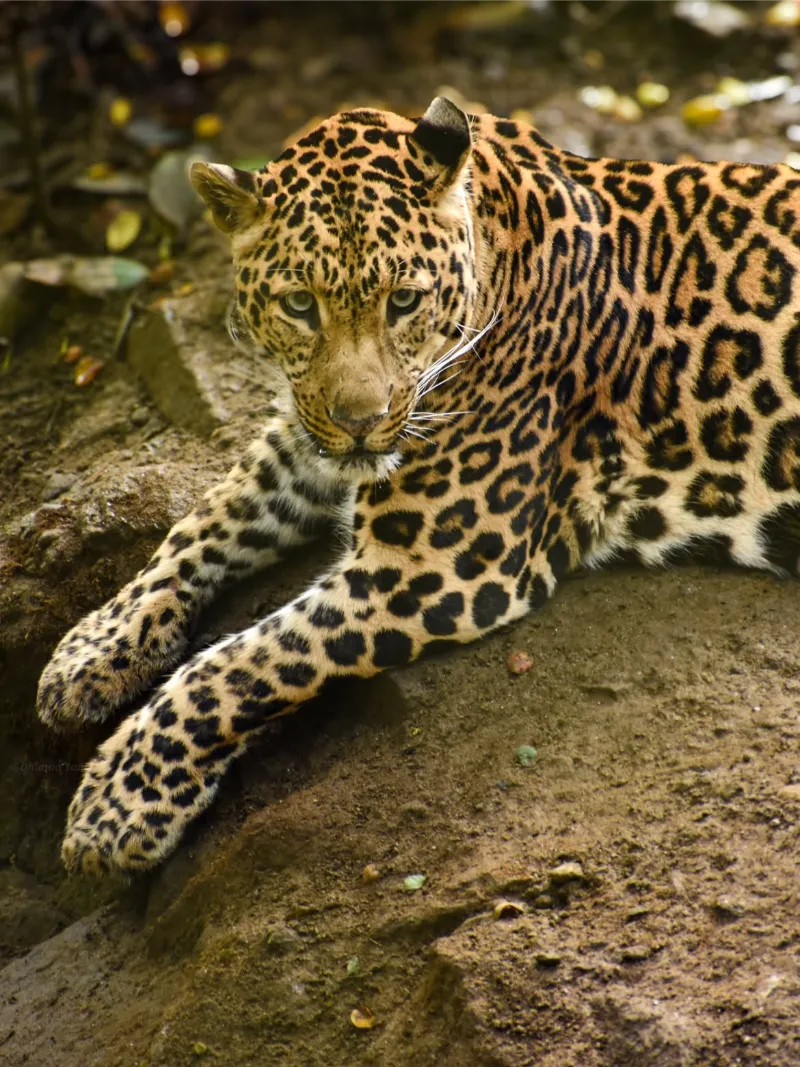
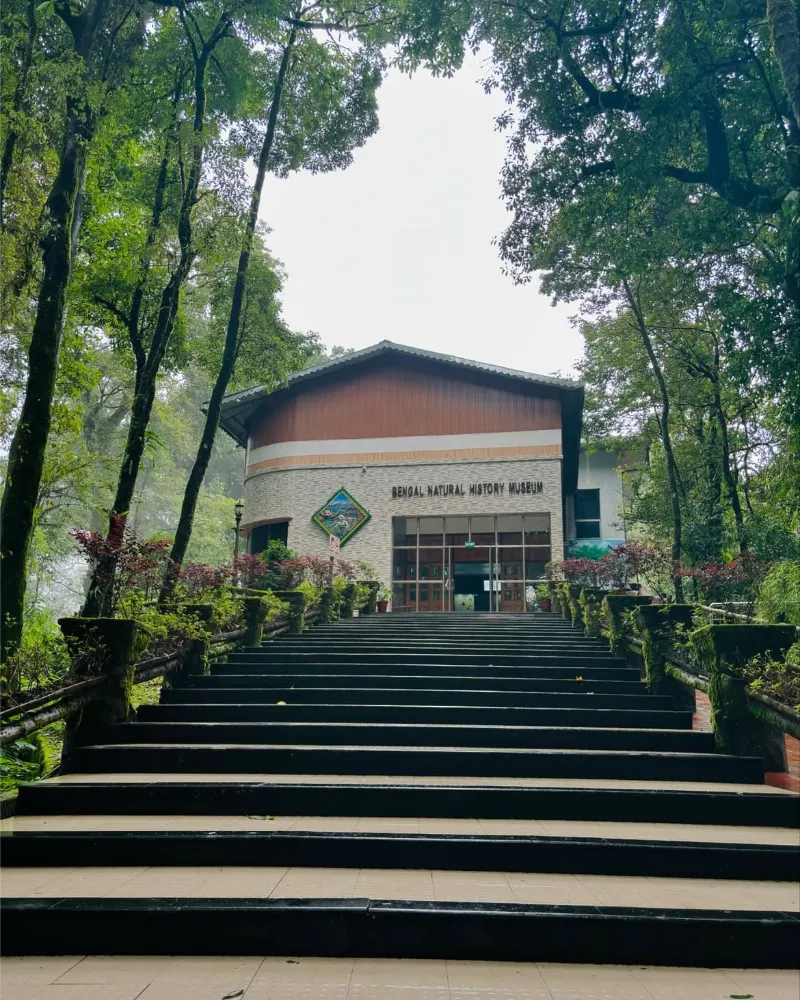
The Padmaja Naidu Himalayan Zoological Park is a world-renowned, high-altitude zoo focused on protecting and breeding endangered mountain animals. Surrounded by a thick forest of oak and birch trees, it creates an authentic, natural habitat for species that thrive in the cold alpine environment.

This sanctuary is famous globally for its highly successful captive breeding programs, especially for the shy Red Panda and the magnificent Snow Leopard. It gives both animal experts and everyday visitors a rare chance to see Himalayan wolves, unique mountain deer, and local birds in enclosures designed to closely match their life in the wild.

Things to do

  • Viewing endangered animals
  • Wildlife photography
  • Learning about conservation
  • Walking through the park

Highlights

High Altitude WildlifeAnimal ConservationRed Panda HabitatSnow Leopard BreedingMountain BiodiversityWildlife Park
Explore Padmaja Naidu Himalayan Zoological Park journeys

Place 06 Darjeeling

Chowrasta (The Mall)

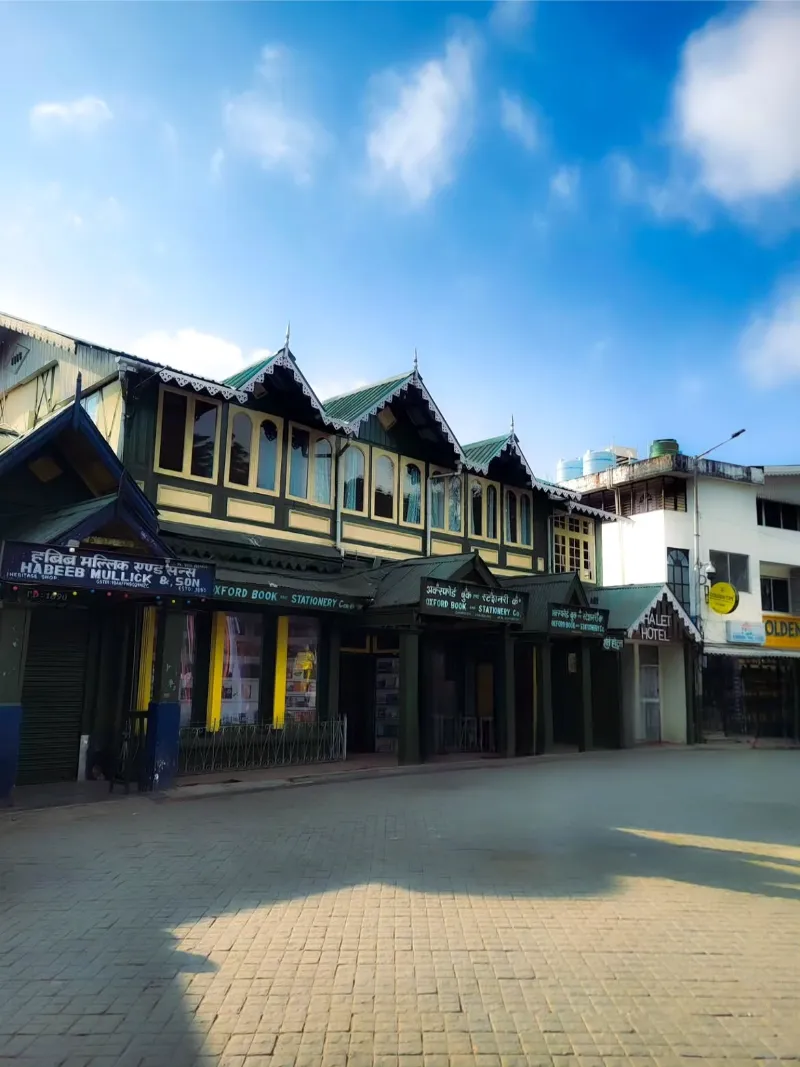
Chowrasta, commonly known as 'The Mall,' is the lively social heart and main walking street of Darjeeling. Completely free of traffic and vehicle noise, this wide, heritage-paved public square is lined with historic colonial-era shops, old-fashioned bookstores, and cozy local tea houses.

It is a welcoming gathering spot where global travelers and local residents alike come together to enjoy the refreshing mountain breeze. Whether you want to take a gentle horseback ride, shop for souvenirs, or just sit on a bench and admire the deep valleys dropping off the edge of the ridge, Chowrasta is the perfect place to relax.

Things to do

  • Casual strolling
  • Buying souvenirs
  • Eating local food
  • People watching
  • Horseback riding
  • Street photography

Highlights

Public SquareWalking StreetColonial BuildingsLocal ShoppingSocial HubRelaxation Spot
Explore Chowrasta (The Mall) journeys

Place 07 Darjeeling

Himalayan Mountaineering Institute (HMI)

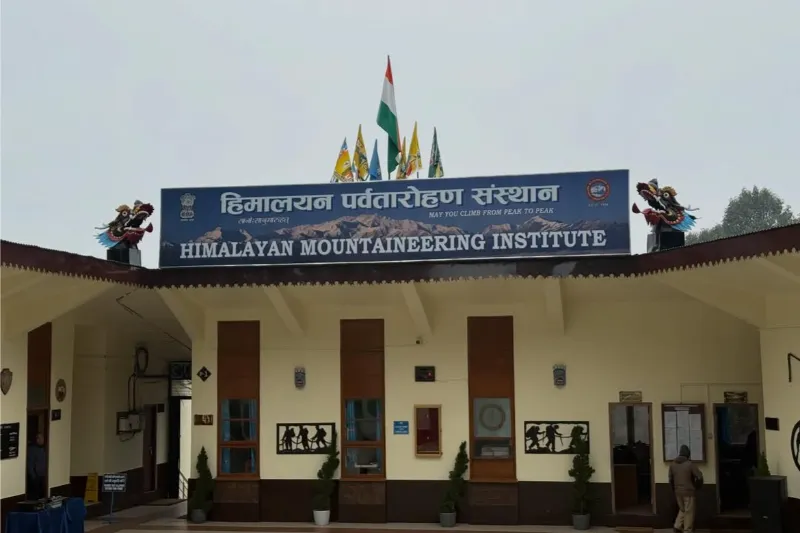
Sharing its grounds with the local zoo, the Himalayan Mountaineering Institute is a highly respected school for high-altitude climbing and a guardian of mountaineering history. Established to honor the historic first ascent of Mount Everest by Tenzing Norgay and Edmund Hillary, HMI celebrates human endurance and the spirit of adventure.

Inside, you will find a fascinating museum packed with both vintage and modern climbing gear, historical records, and personal items belonging to some of the world's greatest climbers. It is a must-see for anyone interested in outdoor adventure, offering a deep dive into the intense challenges of charting the Himalayas and reaching its highest peaks.

Things to do

  • Exploring the museum
  • Learning climbing history
  • Taking pictures
  • Educational touring

Highlights

Mountaineering SchoolClimbing MuseumTenzing Norgay TributeAlpinist HistoryHeritage SiteEducational Center
Explore Himalayan Mountaineering Institute (HMI) journeys

Place 08 Darjeeling

Peace Pagoda & Japanese Temple

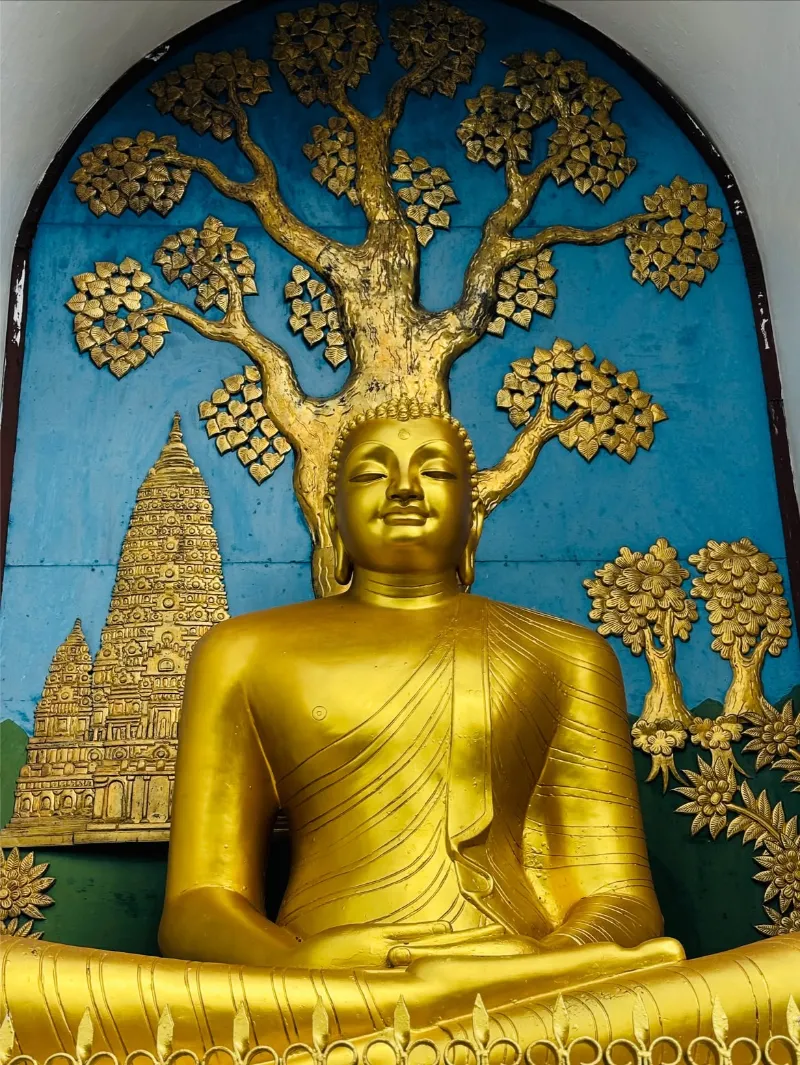
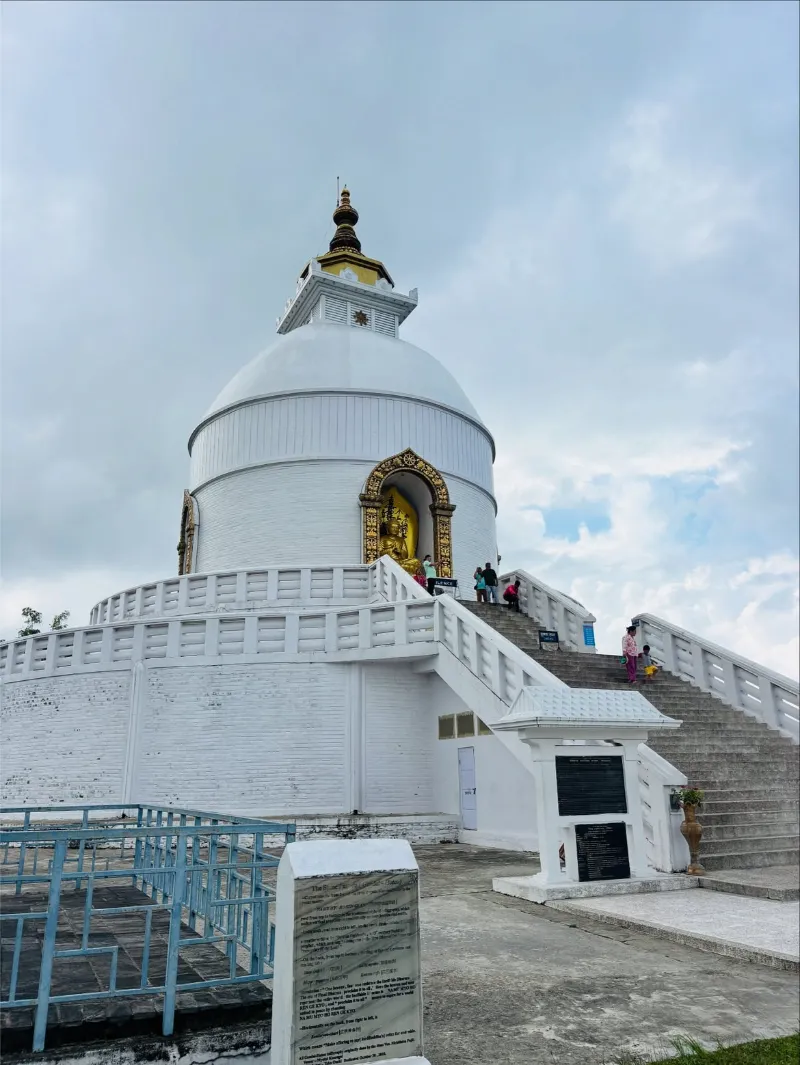
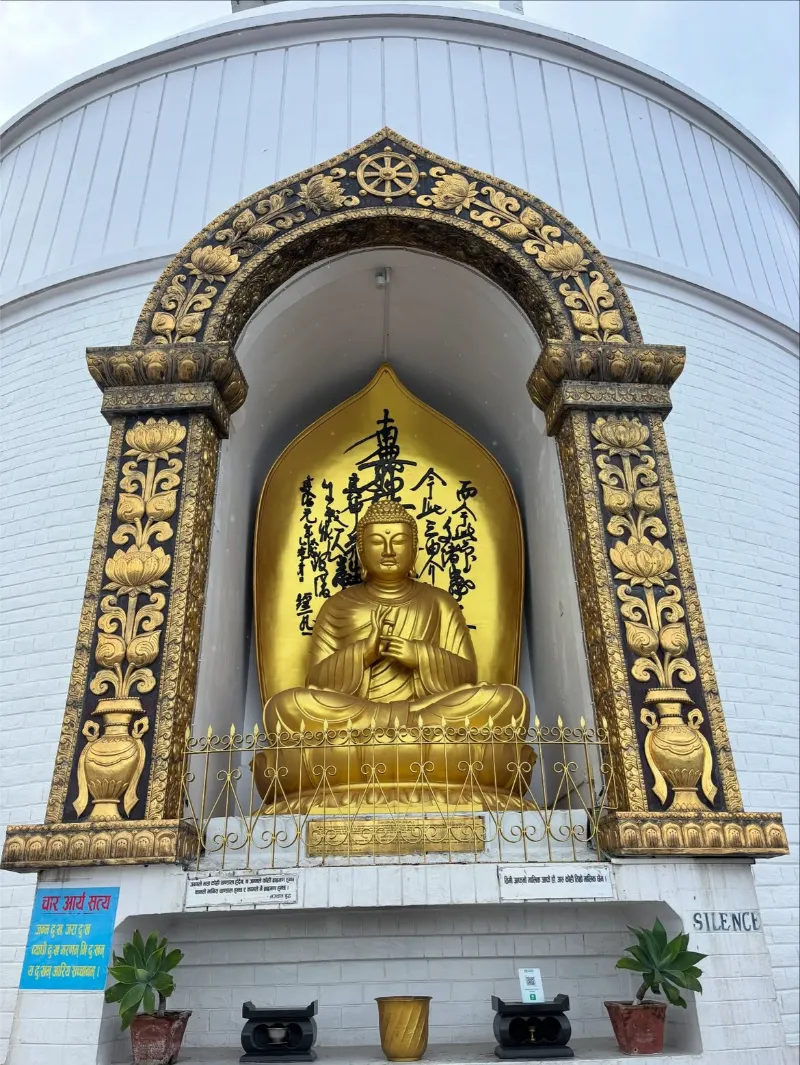
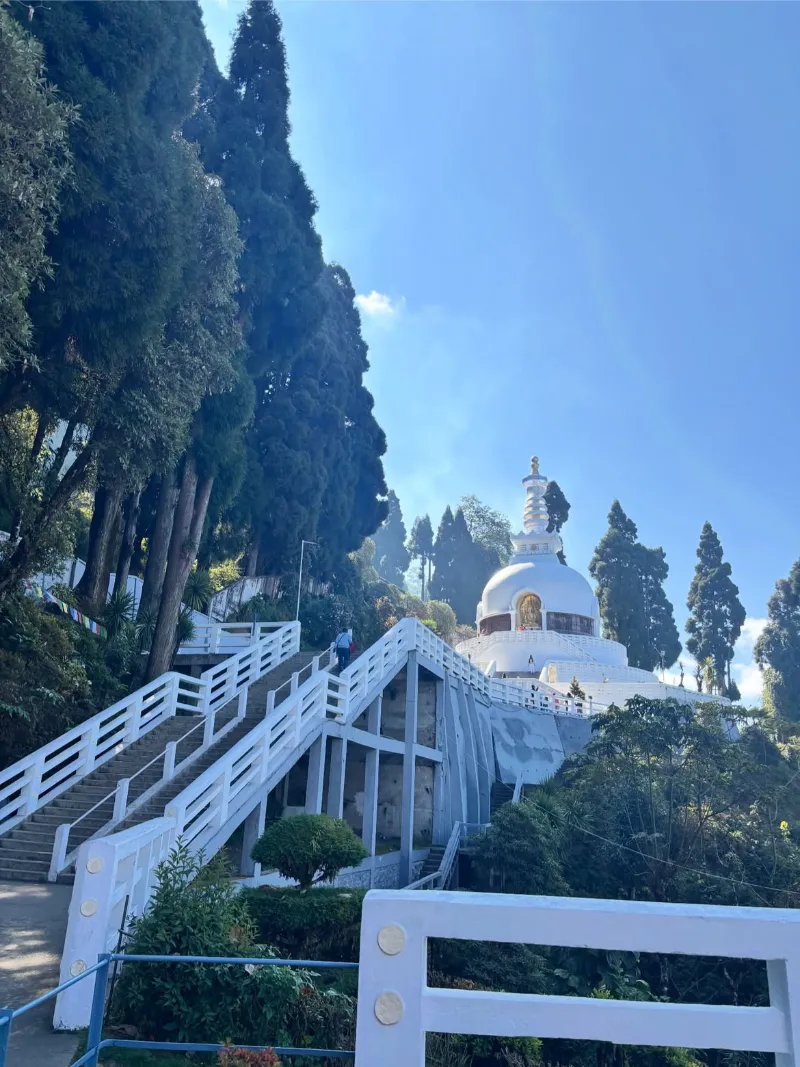
Standing out beautifully against the green hillsides, the Japanese Peace Pagoda is a bright white monument dedicated to global harmony and spiritual peace. Built under the guidance of the Nipponzan Myohoji Buddhist monks, the structure features stunning gold statues that tell the story and teachings of Lord Buddha.

Right next door is a classic Japanese temple, known for its simple yet elegant wooden design. The steady, soothing sound of drums played during daily prayers creates a deeply meditative atmosphere, providing visitors with a quiet, spiritual escape from the busy town below.

Things to do

  • Experiencing spirituality
  • Meditating in peace
  • Photographing the temple
  • Admiring the architecture
  • Enjoying the scenery

Highlights

Buddhist ShrineSpiritual GetawayJapanese PagodaWooden ArchitectureQuiet MeditationMountain Panoramas
Explore Peace Pagoda & Japanese Temple journeys

Make the most of your trip

Plan your visit

Practical pointers to help you choose when to go and how to get around.

When to go

March to May

Also consider: October to November

The most rewarding times to experience the magic of Darjeeling are during the bright spring season and the clear, crisp months of autumn. From March to May, the weather is wonderfully pleasant, marked by gentle mountain breezes and hillsides that burst into color with blooming rhododendrons and magnolias.

On the other hand, October and November offer incredibly stable weather with almost no rain or mist. This clear autumn air provides razor-sharp, sweeping views of the Kanchenjunga peaks set against bright blue skies. Winter brings a sharp, biting cold that is perfect only if you love frosty mornings and curling up by a warm fire.

The monsoon season, which dominates from June to September, brings heavy, constant rainfall and thick blankets of fog. While the heavy rains turn the tea estates a stunning, vibrant green, the low visibility makes sightseeing difficult, and the weather can sometimes lead to temporary road closures.

Weather & altitude

Approximately 2°C to 19°C

Elevation: Approximately 2,042 meters (6,700 feet) meters above sea level

Darjeeling easily escapes the intense heat found in the Indian plains, offering a consistently cool and rejuvenating climate all year round. Summers are wonderfully mild and comfortable, requiring only light layers, while the peak of winter calls for heavy, warm jackets to handle the mountain chill.

Sitting comfortably high up in the Lesser Himalayas, Darjeeling’s altitude is the secret behind its famous, refreshing weather. This specific elevation is exactly what creates the unique climate needed to grow the region's world-renowned orthodox tea leaves.

Season by season

Spring March to May Approximately 10°C to 19°C

Spring brings a rush of blooming flowers and vibrant plant life to the hill station. The temperatures remain comfortably cool, creating the perfect environment for long walks, outdoor sightseeing, and exploring the town’s heritage.

Monsoon June to September Approximately 13°C to 19°C

Heavy monsoon rains cover the mountains in thick fog, transforming the tea plantations into incredibly lush, green landscapes. However, high humidity, constant downpours, and the risk of mudslides make traveling and outdoor activities quite challenging during these months.

Autumn October to November Approximately 6°C to 15°C

Autumn is widely considered the peak season for visiting Darjeeling. The rainy season mist clears out completely, leaving behind beautifully crisp, cool air and giving travelers spectacular, unobstructed views of the towering Himalayan peaks.

Winter December to February Approximately 2°C to 9°C

Winter hits the hills with a deep, piercing cold, especially in the early mornings and late evenings. While actual snowfall inside Darjeeling town is quite rare and lucky to witness, the taller peaks nearby frequently get dusted with a temporary layer of white snow.

Getting there

How to reach Darjeeling

By Air

The closest major flight hub is Bagdogra Airport, located about 70 kilometers away down in the plains. It handles numerous domestic flights daily and serves as the primary gateway for visitors flying into the region.

After landing at Bagdogra, travelers embark on a scenic, three-hour road trip using private cabs or shared taxis. This upward drive offers a dramatic change in scenery, transitioning smoothly from flat terrain right up into the steep Himalayan foothills.

By Rail

The most important mainline railway station is New Jalpaiguri (NJP), which connects seamlessly to cities all across India. For tourists looking for a nostalgic route, NJP is also the starting point for the famous, narrow-gauge Darjeeling Himalayan Railway.

Taking the vintage 'Toy Train' up the mountain is a wonderful, slow-paced experience. However, travelers who prefer to reach the hill station faster usually choose to hire a taxi from the railway station for a quicker drive directly into the mountains.

By Road

Darjeeling is well-connected to the busy plains towns of Siliguri and New Jalpaiguri by two main winding routes: the historic Hill Cart Road (NH110) and the steeper, more modern Rohini Road.

A constant flow of shared jeeps, local buses, and private cabs make this uphill journey every day. The drive itself is a gorgeous visual experience, climbing through thick sal forests and sprawling tea gardens before finally entering the cool, misty atmosphere of the hill station.

Make it your own

Darjeeling journeys

Explore thoughtfully planned trips, or ask our team to tailor an itinerary around your interests.

Browse all packages

Travel with local insight

Let’s plan your Darjeeling escape.

Tell us what inspires you and we’ll help shape a journey at your pace.

Talk to a travel expert